


The agents winning their neighborhoods aren’t the ones sending the most mail. They’re the ones sending the most meaningful mail.
Geo-farming real estate has been a cornerstone of neighborhood marketing for decades. The formula was simple: pick an area, flood it with postcards, repeat your name often enough that when someone decided to sell, yours was the first one they thought of.
That formula still has some truth in it. But in 2026, it’s not enough on its own — and the agents relying on repetition alone are losing ground to those who’ve figured out what actually builds trust in a market where consumers are more informed, more skeptical, and more selective than ever.
The new geo-farming real estate strategy isn’t about volume. It’s about becoming genuinely indispensable to a specific community — through local expertise, digital credibility, and the kind of personal outreach that cuts through the noise of automated everything. The agents and mortgage professionals who crack that combination aren’t just getting listings. They’re becoming the default choice in the neighborhoods they serve.
Here’s what that looks like in practice.
Real estate has always been a relationship business. Despite every technological shift in how homes are searched, listed, and closed, people still choose professionals they feel comfortable with — especially when the transaction involves the largest financial decision of their lives.
That’s the core reason geo-farming real estate works. It’s not about reach. It’s about depth. Instead of marketing broadly to everyone in a region, agents focus their energy on one neighborhood, one farm area, or one local community and become the most recognized, trusted expert within it.
The compounding effect is significant. Every touchpoint — every card, every market update, every community interaction — builds on the ones before it. Trust accumulates. Recognition deepens. And when a homeowner in that area is ready to move, the agent who’s been consistently present in their lives wins the conversation before it starts.
Successful neighborhood marketing in 2026 combines digital visibility with offline personal connection. Neither works as well alone as they do together.
The core elements of a modern geo-farming strategy include:
Digital foundations: Local SEO optimization, a well-maintained Google Business Profile, consistent online reviews, neighborhood-specific website pages, and regular market updates that demonstrate genuine local expertise. When a homeowner searches for an agent in their area, your digital presence needs to confirm what your physical outreach already implied: that you know this neighborhood better than anyone else.
Offline personal outreach: Handwritten cards, event invitations, and personalized touchpoints that no algorithm can replicate. This is where the emotional connection gets made — and where most agents either differentiate themselves or blend into the background.
Follow-up systems: Consistent, well-timed communication that keeps relationships warm between the moments that matter most.
The goal isn’t just to be seen. It’s to be remembered when it counts.
Moving is one of life’s most significant transitions. New residents are simultaneously learning a new area, choosing local service providers, and deciding which professionals they trust. That window — the weeks immediately following a move — is one of the highest-value moments in geo-farming real estate outreach.
A handwritten welcome card arrives at exactly the right moment, in a format that signals genuine warmth rather than automated prospecting. Unlike another generic postcard that gets recycled before it’s fully read, a handwritten card gets noticed, read, and often kept.
The message doesn’t need to be elaborate. It needs to be helpful:
“Welcome to the neighborhood! If you ever need recommendations for local restaurants, schools, contractors, or want to know what’s happening in the market, I’m always happy to help — no pressure, just a neighbor looking out for a new one.”
Other effective approaches include offering a curated list of neighborhood favorites, a QR code linking to a local area guide, an invitation to a community event, or a free home value review for when they’re ready. The common thread is value without agenda — and that’s what earns a response.
With Handwrytten, these cards can be automated and triggered based on new move-in data, so every new resident in your farm area receives one without requiring manual effort each time.
Here’s something most agents don’t account for: the moment someone receives your handwritten card, a significant percentage of them will search your name online before they do anything else.
What they find in that moment either reinforces the trust your card created or undermines it. That means your digital presence isn’t separate from your geo-farming real estate strategy — it’s an essential part of it.
Make sure prospects find the following when they search:
Strong, recent Google reviews that reflect real client experiences, an updated Google Business Profile with current listings and contact information, neighborhood-specific content that demonstrates local market knowledge, and easy ways to get in touch. When handwritten outreach and local SEO work in alignment, the response rates from geo-farming campaigns rise substantially — because the offline impression gets confirmed digitally in real time.
In 2026, consumers don’t just want an agent. They want someone who genuinely knows the area — someone who can answer the questions that don’t show up on Zillow. Building and sharing that expertise is one of the most underutilized geo-farming real estate strategies available.
Content worth creating and distributing in your farm area includes neighborhood restaurant and business guides, school district insights, park and recreation options, hyper-local market trends by subdivision, upcoming development news that affects property values, and commute tips for different parts of the area.
This kind of content makes you valuable to homeowners who aren’t ready to transact yet — which is most of your farm area at any given time. When they are ready, they already trust you.
Geo-farming real estate isn’t exclusively for agents. Loan officers and mortgage teams can apply the same neighborhood-based approach with significant results.
The most effective touchpoints for mortgage professionals include handwritten cards to new homeowners shortly after closing, home anniversary outreach to past clients at the one-year mark, refinance reminders when market conditions shift, home equity education for homeowners who may not realize what they’ve built, and consistent outreach to referral partners and local business owners who interact with homebuyers.
The goal is the same as it is for agents: stay genuinely present in people’s lives so that when a financial need arises, you’re the professional they think of first.
Consistency is what separates geo-farming real estate strategies that build momentum from those that fizzle after the first mailing. The most effective touchpoint calendar includes:
New move-ins — welcome cards sent within the first week of a new resident arriving in the neighborhood.
Just sold announcements — letting the neighborhood know about recent activity reinforces market expertise and keeps your name present.
Seasonal homeowner tips — practical, useful content that gives homeowners a reason to keep your contact information.
Home purchase anniversaries — one of the highest-impact and most underutilized touchpoints in the entire geo-farming calendar.
Holiday outreach — warm, non-promotional seasonal cards that maintain presence without pushing an agenda.
Community event invitations — positioning yourself as a connector within the neighborhood, not just a service provider to it.
Handwrytten’s automation tools let you build this entire calendar once and run it consistently without manual follow-through each month.
The most frequent reasons geo-farming real estate strategies underperform have nothing to do with the farm area selection or the market conditions. They come down to execution:
Marketing too broadly. The power of geo-farming is focus. Spreading the same budget across a large area dilutes the repetition needed to build recognition in any one place.
Stopping after one mailing. A single card doesn’t build trust. A consistent pattern of them does. Most agents who abandon geo-farming do so just before the compounding would have started.
Relying only on digital. Online ads and social media are part of the mix, but they don’t create the physical, personal impression that handwritten outreach does. The best strategies use both.
Generic messaging. A card that could have been sent to any homeowner in any city misses the entire point. Hyper-local, specific, genuinely helpful content is what makes geo-farming work.
Ignoring online reputation. If your digital presence doesn’t reinforce your offline outreach, you’re losing conversions you’ve already earned.
What exactly is geo-farming real estate? It’s a marketing strategy where agents or mortgage professionals concentrate their outreach efforts on a specific neighborhood or geographic area, with the goal of becoming the most recognized and trusted professional in that community over time.
Does geo-farming still work in 2026? Yes — and it works better than ever when combined with local SEO, consistent online reviews, and personalized outreach. The agents winning their farm areas are the ones who’ve moved beyond generic postcards into genuinely relationship-driven communication.
Do handwritten cards actually outperform standard mailers? Consistently. Handwritten cards are opened more frequently, read more carefully, and kept longer than generic printed mail. In a geo-farming context, that difference in attention translates directly into stronger recognition and higher response rates.
Can mortgage professionals use geo-farming strategies effectively? Yes. Loan officers and mortgage teams can build significant referral pipelines through neighborhood-based outreach — particularly when targeting new homeowners, past clients, and local referral partners with consistent, personalized communication.
How often should I be reaching out to my farm area? Monthly touchpoints — combining digital content with physical outreach — tend to perform best. The exact mix depends on the size of your farm area and your budget, but consistency matters more than frequency. Showing up reliably over time is what builds the recognition that geo-farming is designed to create.
The agents and mortgage professionals winning their neighborhoods in 2026 aren’t necessarily the ones with the biggest budgets or the most aggressive campaigns. They’re the ones who’ve committed to a specific community, shown up consistently, and made every touchpoint feel like it came from a person rather than a pipeline.
Geo-farming real estate has always rewarded patience and persistence. What’s changed is the tools available to make that persistence scalable — and the standard of personalization that today’s consumers expect when they receive it.
Start Sending → handwrytten.com


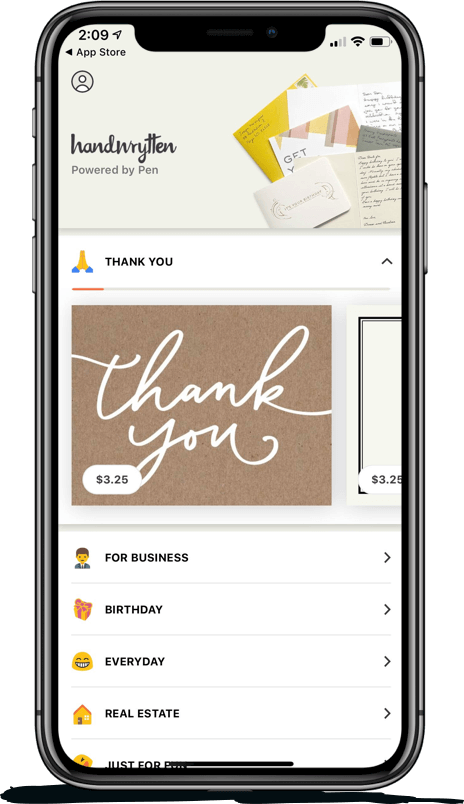
Scale your handwritten outreach, creating positive impressions and long lasting bond.
Sign Up Today!

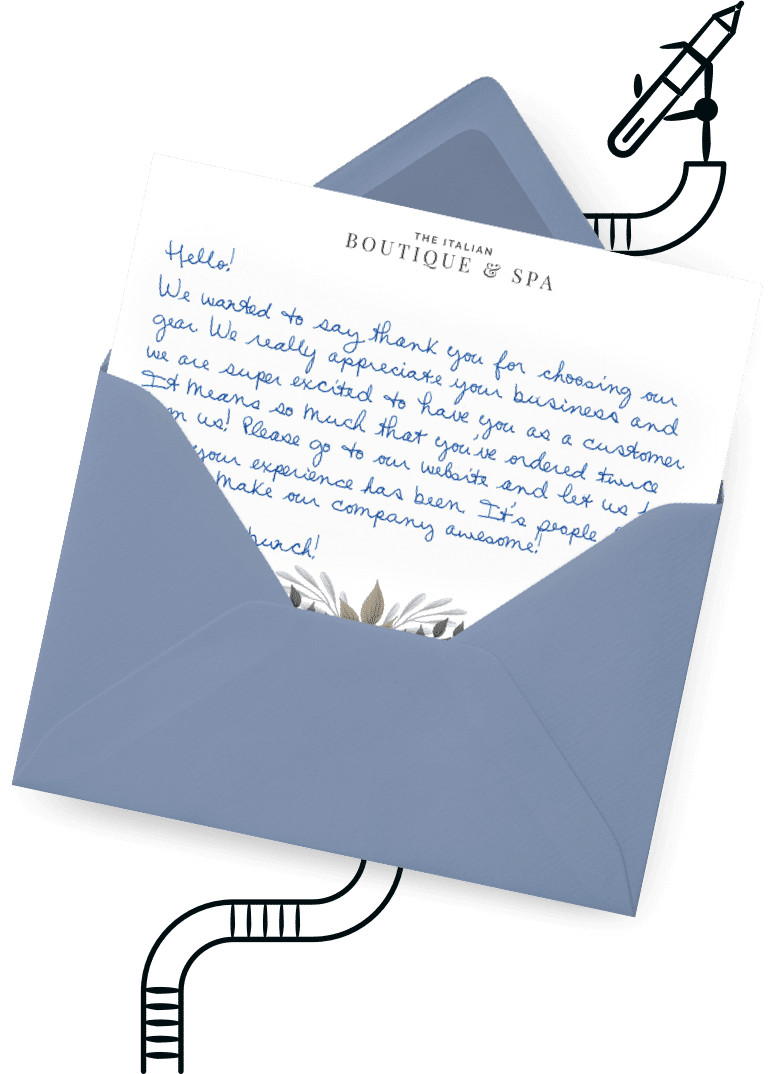

Over 100 designs to choose from or design your own. Our online card customizer makes it simple.
Check Out Our Cards!




Thank you.
