


Most nonprofits don’t lose donors because of bad programs. They lose them because of bad recognition.
Nonprofit gift recognition is the single most underleveraged retention tool in the development toolkit — and the one most frequently executed in ways that quietly undermine the donor relationships organizations are trying to build. Most nonprofits invest significant resources in donor acquisition: campaigns, events, digital outreach, major gift cultivation. Far fewer invest equivalent attention in examining whether their recognition practices are actually working — whether the acknowledgments they send make donors feel genuinely valued or merely processed.
The gap between what development teams believe their nonprofit gift recognition communicates and what donors actually experience receiving it is wider than most organizations realize. And the consequences of that gap — donors who give once and never again, mid-level donors who plateau rather than upgrade, major donors who quietly shift their giving elsewhere — are rarely attributed to recognition failures because the connection is never made.
This article names the seven nonprofit gift recognition mistakes that cost organizations donors — not the obvious ones, but the subtle, systemic ones that most development teams make without realizing they’re making them. Each one comes with a diagnosis, an explanation of why it matters, and a specific, practical fix.
The most widespread donor recognition mistake in the nonprofit sector isn’t a dramatic failure — it’s a quiet one. Most organizations send first-gift acknowledgments that read like tax receipts with a warm sign-off: the gift amount, the date, the organization’s tax ID number, and a paragraph of generic gratitude that could have been written for anyone who gave anything to any organization.
This approach treats the acknowledgment letter as an administrative document rather than a relationship communication — and donors feel that distinction clearly. A donor who gives their first gift to an organization they care about and receives a letter that reads like a form document doesn’t feel seen. They feel processed.
Why it matters: The first gift acknowledgment is the highest-leverage nonprofit gift recognition touchpoint in the entire donor lifecycle. A first-time donor is deciding, in the days after their initial gift, whether this organization is worth a long-term relationship. What they receive in response to that first gift creates the emotional foundation — or the absence of one — that determines everything that follows.
The fix: Separate the tax receipt from the relationship communication entirely. Send the required receipt for compliance — but also send a handwritten note within 48 hours that acknowledges the specific gift, references the specific program it supports, and welcomes the donor to the organization’s community in a genuinely personal format. The combination of a compliant receipt and a genuine handwritten acknowledgment creates a first-gift experience that almost no organization is currently delivering — and that produces measurable second-gift conversion improvements.
The most critical period in any donor relationship isn’t during a campaign — it’s the 30 to 90 days after the first gift, when the donor is most receptive to deepening their connection to the organization and most likely to drift away if that connection isn’t actively maintained.
Most nonprofit gift recognition programs focus on the moment of the gift — the acknowledgment letter, the tax receipt, the automated thank-you email — and then go entirely silent until the next campaign asks for another donation. That silence communicates something the organization never intended: that the relationship matters only when there’s a transaction to process.
Why it matters: Donors who receive no communication between their first gift and the next appeal have already begun to disengage before the second ask arrives. The conversion rate from first to second gift drops dramatically when the space between is filled with silence rather than relationship-building communication.
The fix: Build a deliberate nonprofit gift recognition sequence for the 30 to 90 days following a first gift — a handwritten welcome note at 48 hours, a specific impact update at 30 days, and a personal check-in at 60 to 90 days. None of these communications should include a gift ask. All of them should be in a personal, handwritten format that signals genuine ongoing interest in the relationship rather than automated drip communication.
This is the subtlest and most consequential of the nonprofit gift recognition mistakes — and the one most deeply embedded in how most development teams are trained to think about acknowledgment. Most nonprofit gift recognition focuses on the gift: the amount, the fund designation, the campaign it supported, the impact it will fund. Very little focuses on the donor: who they are, why they give, what their relationship to the mission represents, and what their specific contribution communicates about their character and values.
Donors don’t give because they want their transactions acknowledged. They give because they want to make a difference — and they want to feel that the organization they chose to support sees them as a person who cares, not as a source of funds.
Why it matters: Gift-focused recognition feels transactional even when it’s warm. Donor-focused recognition feels relational. The distinction determines whether an acknowledgment creates loyalty or merely satisfies an administrative obligation.
The fix: Rewrite your acknowledgment templates to lead with the donor rather than the gift. Instead of “Thank you for your gift of $500 to the Annual Fund,” try “Thank you for choosing to invest in [mission] — the kind of commitment you demonstrated with this gift is what makes this work possible.” The shift is subtle in language and dramatic in impact.
A first-time donor giving $25 and a major donor giving $25,000 have both made meaningful contributions to the mission — but they’ve made them at different levels of relationship depth, financial commitment, and organizational investment. Nonprofit gift recognition that treats both with the same template acknowledgment communicates to the major donor that their elevated commitment wasn’t noticed — and to the first-time donor that their entry-level gift was processed identically to everyone else’s.
Neither impression builds loyalty. Neither creates the individual acknowledgment that motivates either donor to deepen their giving.
Why it matters: Tiered nonprofit gift recognition isn’t about valuing some donors more than others — it’s about acknowledging the specific nature of what each donor’s giving represents. A major donor’s recognition should reflect the depth of their commitment. A first-time donor’s recognition should reflect the significance of their decision to give at all. Both deserve genuine individual attention — just expressed in formats and with specificity that matches the relationship.
The fix: Build a recognition tier structure that creates genuinely differentiated experiences at each giving level — not just in the amount of communication, but in its format, its personalization depth, and its sender. First-time donors receive a warm, genuine handwritten welcome. Mid-level donors receive milestone acknowledgments that specifically honor their consistency. Major donors receive personalized handwritten notes from senior leadership with specific impact detail. Each tier feels individually considered rather than templated.
Timing is one of the most frequently overlooked elements of nonprofit gift recognition — and one of the most consequential. A beautifully written, genuinely personal acknowledgment that arrives three weeks after a gift was made has lost most of its emotional relevance. The donor has moved on. The positive feelings of the original gift decision have faded. And the late-arriving acknowledgment communicates something the organization never intended: that the donor’s gift wasn’t important enough to acknowledge promptly.
Why it matters: The emotional receptivity that makes nonprofit gift recognition most effective is highest in the 24 to 72 hours following a gift — when the donor is still thinking about their decision, still feeling the positive emotions of having acted on their values, and still forming their impression of the organization they chose to support. Recognition that arrives within this window lands in the best possible emotional context. Recognition that arrives weeks later lands in a completely different one.
The fix: Build your nonprofit gift recognition workflows around a 48-hour acknowledgment standard for every gift at every level. For handwritten notes specifically, Handwrytten’s one-to-two business day production window means a note submitted immediately after a gift is processed arrives within the optimal acknowledgment window — without any manual writing effort from your development team.
Volunteers — the people who give their time, their energy, and their expertise to your organization — are among your most deeply committed supporters. They’re also among the most frequently overlooked in nonprofit gift recognition programs, which are typically designed around financial contributions and rarely extend to the people whose non-monetary giving sustains the organization’s operations.
This oversight is a significant donor recognition mistake for a reason that most nonprofits never consider: volunteers who feel genuinely appreciated for their time are significantly more likely to become financial donors — and financial donors who also volunteer are among the most loyal and highest-upgrade-rate segments in any organization’s portfolio.
Why it matters: Volunteers experience your organization from the inside — they see the mission in action, they understand the need, and they have the deepest possible emotional connection to the cause. When they feel that connection is genuinely reciprocated through specific, personal acknowledgment of their time, they become financial advocates as well as operational ones. When they feel taken for granted, they quietly disengage.
The fix: Extend your nonprofit gift recognition program explicitly to volunteer acknowledgment — with the same level of personal, handwritten recognition that your financial donors receive. A handwritten note from the executive director acknowledging a specific volunteer’s specific contribution creates the kind of individual recognition that sustains the volunteer relationship and activates the financial giving behavior that often follows genuine appreciation.
The most damaging long-term nonprofit gift recognition mistake isn’t what organizations do wrong with new donors — it’s what they stop doing with existing ones. Most nonprofits invest their recognition resources heavily in the first gift acknowledgment and the first-year stewardship sequence, then gradually reduce the frequency and quality of recognition as the donor relationship matures — precisely when consistent, personal acknowledgment becomes the primary driver of retention and upgrade behavior.
A donor who gave their first gift two years ago and has given consistently every year since has demonstrated remarkable loyalty — and has almost certainly received progressively less individual recognition as the organization’s attention has shifted to the next wave of new donors. That donor isn’t at risk because their commitment has wavered. They’re at risk because the organization has quietly stopped communicating that their commitment is noticed and valued.
Why it matters: Donor attrition among multi-year donors is one of the most expensive and least-discussed problems in nonprofit fundraising. These donors are expensive to replace, represent some of the highest lifetime value in any portfolio, and are disproportionately likely to consider major and legacy gifts — but only if the relationship has been consistently nurtured throughout their giving history.
The fix: Build a long-term nonprofit gift recognition calendar that explicitly schedules personal acknowledgment for multi-year donors — annual anniversary notes, milestone recognitions, impact updates that reference the cumulative effect of years of giving. A donor celebrating their fifth consecutive year of giving should receive a handwritten note that specifically honors that milestone — not a standard acknowledgment template that makes no reference to the history behind the gift.
The common thread running through all seven of these nonprofit gift recognition mistakes is the gap between what organizations intend to communicate and what they actually deliver at scale. Most development teams know that personal, timely, specific recognition is the standard worth reaching — and most struggle to reach it consistently because the manual effort required to produce genuinely personal acknowledgments for hundreds or thousands of donors isn’t operationally feasible alongside everything else on the development calendar.
Handwrytten closes that gap. Using robotic pen-and-ink technology that produces genuinely handwritten notes — real pen, real paper, real ink — Handwrytten’s platform makes it possible to deliver personal, specific, timely nonprofit gift recognition to every donor at every level without any manual writing effort from your team.
CRM integrations with Blackbaud Raiser’s Edge, Salesforce, HubSpot, and Zapier allow recognition notes to be triggered automatically when a first gift is processed, a milestone is reached, a volunteer logs hours, or a multi-year anniversary arrives. Dynamic personalization fields pull donor names, gift amounts, program designations, and giving history into each note automatically — producing the specific, individual acknowledgment that transforms donor recognition from a compliance exercise into a genuine relationship-building program.
How quickly should nonprofit gift recognition be sent after a donation?
Within 48 hours for first gifts — while the donor’s positive feelings about their decision are at their peak. Handwrytten’s one-to-two business day production window means a note submitted immediately after a gift is processed arrives within the optimal acknowledgment window. For subsequent recognition touchpoints, the timing should be driven by the specific moment in the donor relationship rather than a standard interval.
Should nonprofit gift recognition differ for online versus offline donors?
The recognition itself should be consistent — every donor deserves genuine, personal acknowledgment regardless of how they gave. The trigger mechanism may differ — online gifts can trigger automated Handwrytten campaigns immediately, while offline gifts may require manual CRM entry before the trigger fires. The goal is to ensure no donor falls through the gaps regardless of giving channel.
How do you recognize major donors differently without making smaller donors feel undervalued?
By calibrating the specificity and sender of the recognition rather than the warmth of it. Every donor should receive genuine, personal acknowledgment — but a major donor’s note should come from the executive director and reference the specific transformational impact of their gift, while a first-time donor’s note should come from the development director and reference the significance of their decision to give at all. Both feel individually valued. Neither feels generic.
Can nonprofit gift recognition be automated without losing its personal quality?
Yes — and this is precisely what Handwrytten’s platform is designed to deliver. Automated nonprofit gift recognition through Handwrytten produces genuinely handwritten notes — not printed simulations — each one personalized for the individual donor. The automation handles the consistency and scale. The genuine handwriting handles the impression.
What’s the most important nonprofit gift recognition change a development team can make immediately?
Send a handwritten first-gift acknowledgment within 48 hours of every donation — at every giving level. This single change addresses the most consequential donor recognition mistake in the sector and produces the most immediate measurable improvement in second-gift conversion rates. Everything else can be built from there.
Nonprofit gift recognition isn’t a compliance exercise — it’s the primary relationship-building tool available to development teams between campaigns. The organizations that get it right aren’t necessarily the ones with the largest budgets or the most sophisticated technology. They’re the ones that treat every donor acknowledgment as an opportunity to communicate genuine individual appreciation — specifically, personally, and in a format that makes the donor feel seen rather than processed.
Fix the seven mistakes. Build the system. Watch the retention numbers change.
Start Sending → handwrytten.com


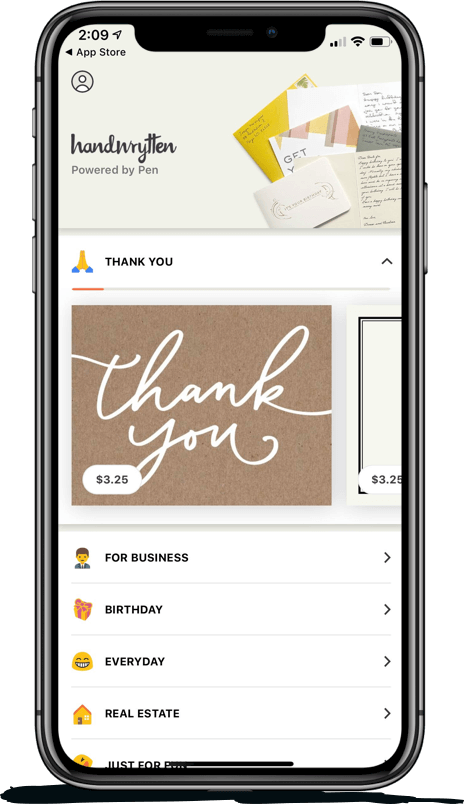
Scale your handwritten outreach, creating positive impressions and long lasting bond.
Sign Up Today!

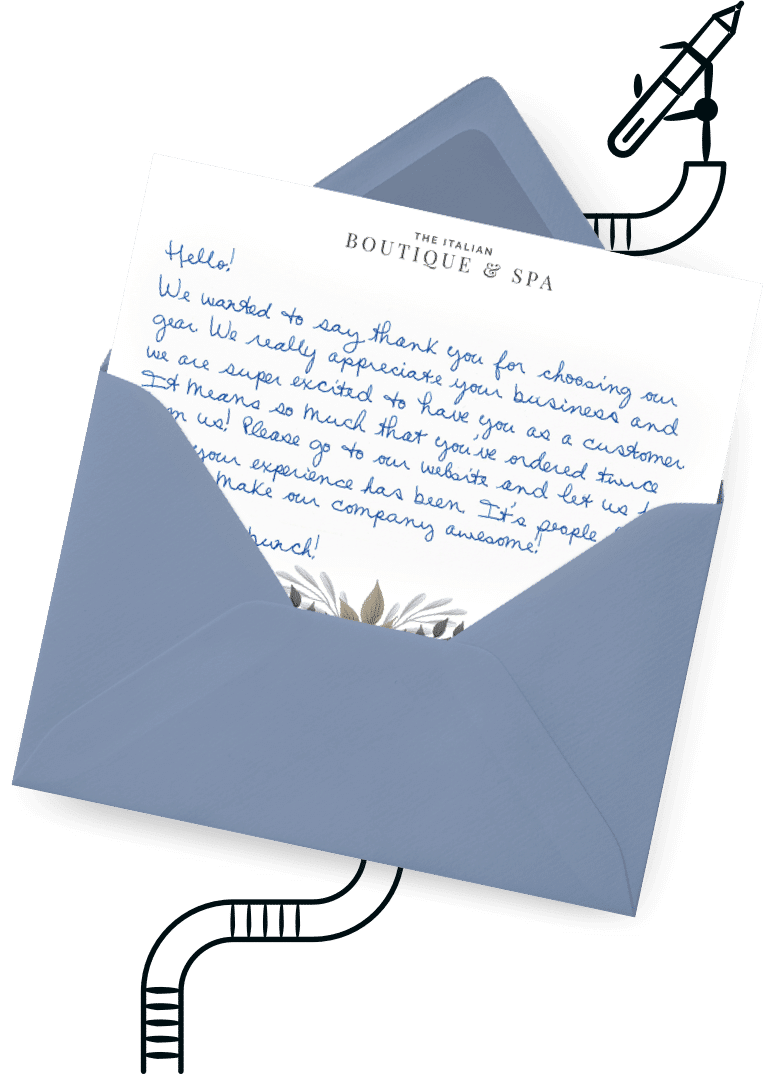

Over 100 designs to choose from or design your own. Our online card customizer makes it simple.
Check Out Our Cards!


Thank you.
