



The blank sympathy card is one of the hardest things to write. Here’s how to fill it with something that actually helps.
Sympathy card messages are some of the hardest words to write, not because the feelings aren’t there, but because the moment makes every word feel inadequate. What do you say to someone whose parent just died? To a colleague who lost a child? To a client whose spouse passed after a long illness? The impulse to reach out is real and immediate. The fear of saying the wrong thing is what stops most people — and what causes them to either send something generic that feels hollow or say nothing at all.
Both outcomes fail the person who needs comfort most.
This guide makes sympathy card writing achievable — not by offering scripts that sound like a greeting card company wrote them, but by providing the framework, the examples, and the permission to say something genuinely human. The sympathy card messages that bring real comfort aren’t eloquent or elaborate. They’re honest, specific, and present — three qualities that are entirely within reach once the fear of imperfection is set aside.
In a culture of instant digital communication, a physical handwritten sympathy card carries a weight that no text message, email, or social media comment can replicate. It communicates something before it’s even opened: that the sender considered this moment significant enough to require a physical, individual gesture. That communication — of genuine individual attention at a moment of profound loss — is exactly what grief needs most.
The sympathy card messages that stay with grieving people for years aren’t the ones with the most beautiful language. They’re the ones that arrived. They’re the ones written by someone who didn’t let fear of imperfection stop them from showing up. They’re the ones that referenced something specific and true — a memory, a quality, a moment — that made the grieving person feel that their loved one was genuinely known and genuinely missed by someone beyond their immediate circle.
Sympathy card writing doesn’t require eloquence. It requires presence, honesty, and the willingness to acknowledge the loss directly rather than tiptoeing around it.
Before the examples, a framework. The sympathy card messages that bring real comfort share four consistent qualities — regardless of the relationship, the type of loss, or the tone.
Name the loss directly. One of the most common sympathy card writing mistakes is avoiding any direct reference to what happened — filling the card with general expressions of support that could apply to any difficulty. “I was so sorry to hear about your mother” is more comforting than “thinking of you during this difficult time” — because it acknowledges specifically what was lost rather than speaking around it.
Say something true about the person who died. Grief is, among other things, the fear that the person who died will be forgotten. A sympathy card message that says something specific and true about the deceased — a quality they had, a memory you share, the specific way they affected the world — communicates that they mattered to people beyond the immediate family. That communication is deeply comforting to grieving people in a way that general condolences aren’t.
Keep it brief. Sympathy card writing isn’t the occasion for an extended reflection. Three to five sincere sentences are more powerful than a full page of carefully crafted language — because brevity communicates that the message was distilled to what matters rather than elaborated to fill space.
Offer something specific if you can. A vague offer to “be there for anything you need” is appreciated but rarely acted on — because grieving people rarely feel comfortable initiating requests. A specific, concrete offer — “I’m bringing dinner Thursday, text me if you’d prefer Friday” — is acted on more often and communicates more genuine care.
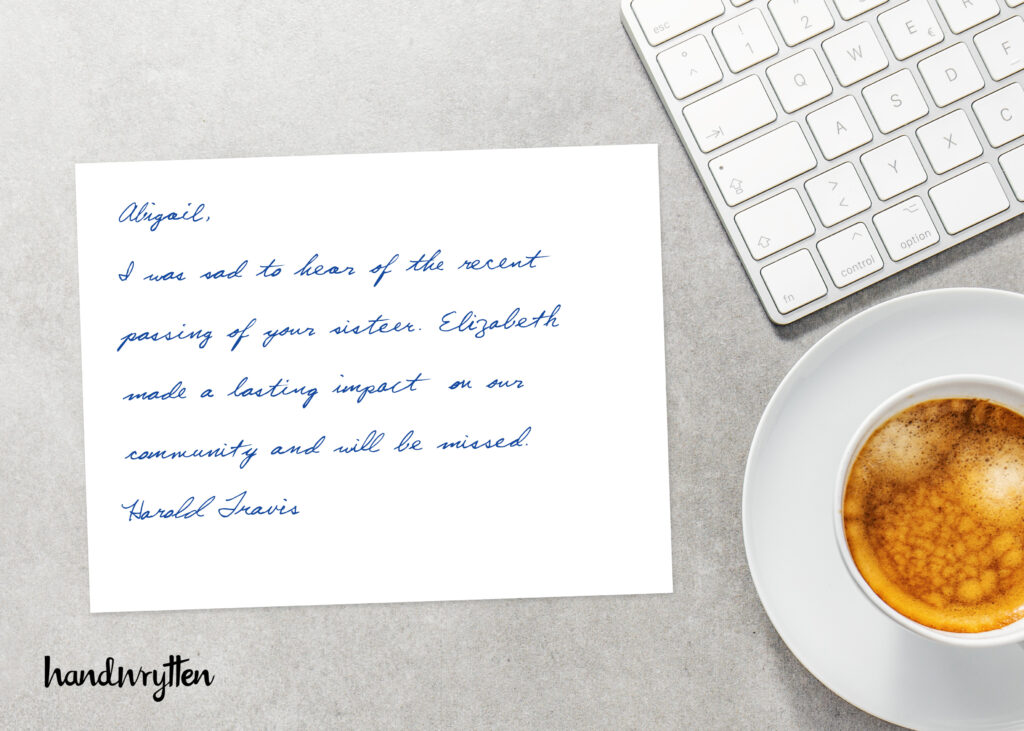
The loss of a parent is one of the most universal and profound grief experiences — and sympathy card messages for a parent’s death carry the weight of acknowledging both the specific person who died and the fundamental shift in the grieving person’s sense of themselves in the world.
For someone you know well:
“I am so sorry about your mother. The warmth she brought to every room she entered was something I experienced firsthand — and I know how deeply the world has changed for you with her gone. I’m thinking of you constantly and I’m here for whatever you need, now and in the weeks ahead when the quiet gets louder.”
For a colleague or professional contact:
“I was so sorry to hear about your father’s passing. The love and respect you’ve always spoken of him with made it clear what an extraordinary person he was. Please accept my sincere condolences — and please don’t hesitate to reach out if there’s anything at all I can do.”
Short and sincere:
“There are no words adequate to this loss. I’m so sorry about your mother — and I’m thinking of you with so much love and care right now.”
Sympathy card writing for the loss of a spouse or partner requires acknowledging the specific depth of that loss — not just the death of a person but the end of a shared life, a daily presence, and a future that was imagined together.
For someone close:
“I am heartbroken for you. [Name] was one of the most genuinely good people I’ve ever known — and what you built together was something beautiful to witness. I don’t have words adequate to this. I’m just here — for whatever you need, whenever you need it, for as long as it takes.”
For an acquaintance or professional contact:
“Please accept my deepest sympathies on the loss of [Name]. The life you built together was evident in the way you spoke of [him/her] — with such love and pride. I’m holding you in my thoughts during this impossibly difficult time.”
Sympathy card writing for the loss of a child is among the most difficult of all — because there is nothing adequate to say, and the temptation to reach for comforting platitudes is strongest precisely where they fall flattest. The sympathy card message that helps most here is the one that acknowledges the magnitude of the loss without trying to soften it.
For someone you know:
“I have been thinking of you and [partner’s name] constantly since I heard. There are no words — and I’m not going to pretend there are. [Child’s name] was so loved, and that love doesn’t diminish. I’m here. I’ll keep showing up. Please let me.”
For a professional relationship:
“I was devastated to hear about the loss of [child’s name]. There is nothing I can say that touches this — but I wanted you to know that your family is in my thoughts, and I’m here for whatever you might need.”
Pet loss is a grief that many people experience more deeply than they feel culturally permitted to express — and a sympathy card message that acknowledges that depth of feeling without minimizing it communicates genuine understanding.
Sample messages:
“Losing [Pet’s name] is a real and significant loss — and I want you to know that I understand that completely. [He/She] was a genuinely special presence, and the home feels different without [him/her] in it. I’m so sorry.”
“[Pet’s name] was loved so well — and that love is something [he/she] felt every single day. I’m thinking of you and sending all my love during this sad time.”
Sympathy card writing for client relationships requires a specific calibration — warm and genuine without presuming an intimacy that doesn’t exist, and completely free of any commercial context that would undermine the gesture.
For a long-term client:
“We were so sorry to hear about the loss of [Name]. The relationship we’ve built with you over the years has given us a glimpse of the kind of person you are — and we want you to know that our thoughts are genuinely with you during this time. Please don’t hesitate to reach out for anything you need.”
For a newer client:
“Please accept our sincere condolences on your loss. We don’t know all that [Name] meant to you — but we know that this is a profound moment, and we wanted to reach out personally to express our genuine sympathy.”
Short and professional:
“Our entire team was saddened to hear of your loss. We’re thinking of you and extending our deepest sympathies.”
Sympathy card writing for employee relationships is among the most important in the professional context — because an employee who receives a genuine, personal, handwritten sympathy card from their organization at a moment of personal loss experiences a depth of care for the whole person that sustains loyalty in ways that no compensation or benefit program achieves.
From direct management:
“I was so sorry to hear about [Name]’s passing. Please know that you have all the time and space you need — and that when you’re ready to return, you’ll be welcomed back with genuine care and zero expectations beyond your own readiness. We’re thinking of you.”
From senior leadership:
“On behalf of everyone at [Company], I want to express our deepest sympathies on your loss. The relationship you brought to this team every day reflects the character of someone who loves deeply — and we’re holding you in our thoughts as you navigate this time.”
For a coworker sending on behalf of a team:
“We all wanted to reach out together to say how much we’re thinking of you. [Name] meant so much — to you, and to everyone who witnessed the love you shared. We’re here for you. Please lean on us.”
“Please accept my sincerest condolences on your loss. I’ve valued our professional relationship for many years — and I want you to know that the respect I have for you extends well beyond business. I’m thinking of you and your family.”
“We were saddened to hear about your loss and wanted to reach out personally. Your partnership has meant a great deal to us over the years — and right now, we simply want you to know that we care about you as a person, not just as a partner.”
Different professional contexts call for different calibrations in sympathy card writing — and getting the tone right for the specific industry and relationship makes every message more effective.
Healthcare professionals deal with loss as part of the work — which makes the sympathy card messages they send to patients’ families particularly meaningful. A card from a doctor or clinic that references the specific patient by name, acknowledges their specific qualities, and communicates genuine care for the family communicates something that transcends the professional relationship.
“Caring for [Patient’s name] was a privilege we don’t take lightly. [His/Her] spirit and resilience made a genuine impression on everyone in our practice. We’re so deeply sorry for your loss — and we’re holding your family in our thoughts.”
Real estate professionals maintain long-term relationships with clients through major life transitions — and sympathy cards that acknowledge those life transitions specifically communicate a depth of care that sustains referral relationships for years.
“The home we helped you find together was meant to hold memories for years to come — and we know how much of those memories involved [Name]. We’re so sorry for your loss, and we’re thinking of you and your family.”
Financial advisors and insurance professionals often know their clients’ family circumstances in detail — which makes sympathy card writing particularly meaningful in this context when the message reflects that individual knowledge.
“We know how central [Name] was to everything you’ve built — both the family and the financial future you’ve worked toward together. We’re so deeply sorry for your loss, and we’re here for whatever you need as you navigate this time.”
Veterinary practices experience pet loss as a recurring professional reality — and the sympathy card messages they send to clients whose pets have died are among the most impactful relationship-building moments in the entire client lifecycle.
“We are so sorry for the loss of [Pet’s name]. Caring for [him/her] was a genuine honor — and [his/her] spirit made an impression on our entire team. Please know that we share in your grief and hold you in our hearts.”
“Please accept our sincere condolences on behalf of everyone at [Firm]. The personal strength and grace you’ve consistently demonstrated makes this loss feel all the more significant to those of us who know you. Our thoughts are with you and your family.”
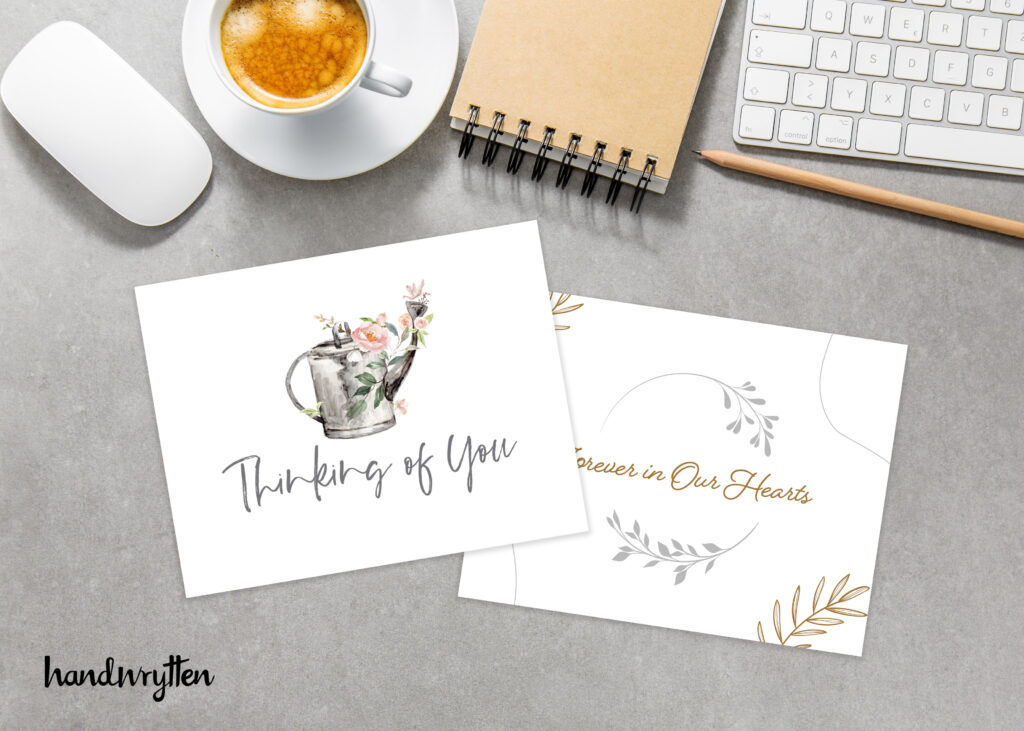
The sympathy card messages that unintentionally create discomfort rather than comfort almost always share one of a small number of specific mistakes. Knowing what to avoid is as important as knowing what to write.
Avoid phrases that minimize the loss. “Everything happens for a reason,” “they’re in a better place,” “at least they lived a long life,” and similar phrases — however well intentioned — communicate that the grief is somehow misplaced or excessive. The grieving person gets to decide how long and how deeply to grieve. The sympathy card’s job is to acknowledge the loss, not to contextualize or soften it.
Avoid making it about yourself. A sympathy card message that spends significant space on the sender’s own feelings of loss — however genuine — shifts the focus from comforting the recipient to processing the sender’s grief. A brief acknowledgment of shared loss is appropriate; extended self-focus is not.
Avoid religious language unless you know it’s welcome. Phrases that presuppose shared religious beliefs — “they’re with God now,” “heaven has gained an angel” — can feel alienating to recipients who don’t share those beliefs. Unless you know the recipient’s faith context well, keep sympathy card messages secular.
Avoid vague offers of help. “Let me know if there’s anything I can do” is appreciated but almost never acted on — because grieving people rarely feel comfortable making requests. Specific offers are more comforting and more likely to result in the help actually being delivered.
Avoid waiting until you have the perfect words. Imperfect sympathy card writing that arrives is infinitely more comforting than perfect writing that never gets sent. The blank card sitting on your desk because you can’t find the right words is helping no one. Write something true, write something brief, and send it.
For individuals, the challenge of sympathy card writing is finding the words. For businesses and organizations, the challenge is ensuring that every employee, client, or community member who experiences a loss receives a genuine, personal, physical acknowledgment without the operational burden of managing that outreach manually.
Handwrytten removes the operational barrier. Using robotic pen-and-ink technology that produces genuinely handwritten sympathy cards — real pen, real paper, real ink — Handwrytten makes it possible for individuals and organizations to send personalized handwritten sympathy card messages at any volume, with each card personalized for the individual recipient and mailed without any manual effort.
CRM integrations allow loss events recorded in your contact database — a client bereavement flag, an employee emergency leave record — to trigger a personalized handwritten sympathy card automatically. Each card arrives in genuine handwriting, with a message calibrated to the specific relationship and the specific loss, without anyone having to remember to initiate it.
For individuals, Handwrytten’s platform allows anyone to write and send a genuine handwritten sympathy card in minutes — choosing a card design, writing the message, and leaving the rest to the platform. The card arrives as a physical, handwritten gesture of genuine care, regardless of whether the sender is in the same city or across the country.
Is it ever too late to send a sympathy card?
No. A sympathy card that arrives weeks after a loss is still deeply appreciated — often more so, because grief doesn’t peak and immediately subside. Many grieving people find that the cards that arrive in the weeks and months after the immediate loss, when the initial support has faded, are the ones that mean the most.
What if I didn’t know the person who died personally?
Focus the sympathy card message on the recipient rather than the deceased. “I can only imagine how much you’re hurting right now — and I wanted you to know I’m thinking of you and here for whatever you need” is entirely appropriate from someone who didn’t know the deceased personally.
Should a sympathy card from a business include any mention of the business relationship?
Only briefly and only in service of the condolence — “the relationship we’ve built with you over the years makes this feel personal to all of us” is appropriate. Any mention of business matters, upcoming appointments, or professional logistics belongs in a separate communication entirely.
How long should a sympathy card message be?
Three to five sentences for most occasions. Brief, sincere sympathy card writing is more powerful than elaborate language — because it communicates that the message was distilled to what genuinely matters rather than elaborated to fill space.
Can I send a second sympathy card later?
Yes — and this is one of the most thoughtful forms of sympathy card writing available. A follow-up card arriving on the one-month mark, on a significant anniversary, or at the holidays following a loss communicates ongoing care for the grieving person at the moments when most support has faded. These follow-up messages are often among the most meaningful cards a grieving person receives.
Sympathy card writing doesn’t require eloquence. It requires presence — the willingness to show up, say something true, and let the grieving person know that their loss has been witnessed by someone who cares enough to write it down and send it.
The right words are simpler than you think. The most important thing is that they arrive.
Start Sending → handwrytten.com
Editor’s note: This article was revised in June 2026


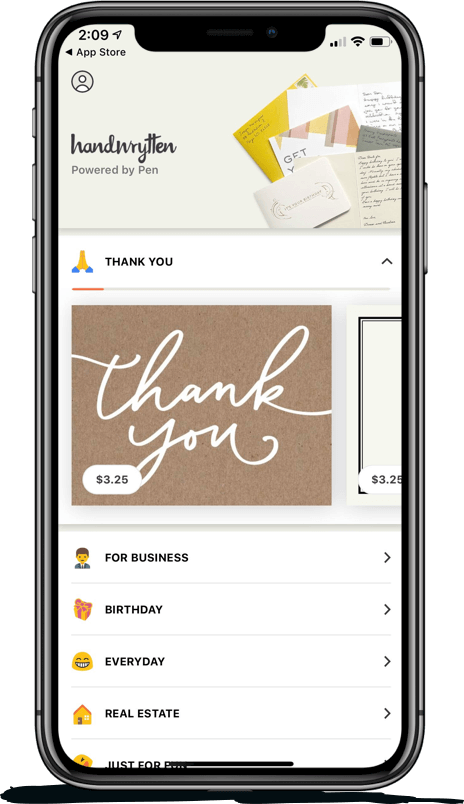
Scale your handwritten outreach, creating positive impressions and long lasting bond.
Sign Up Today!


Over 100 designs to choose from or design your own. Our online card customizer makes it simple.
Check Out Our Cards!




Thank you.
