


Everyone remembers the booth with the best giveaways. Nobody remembers what they were selling. Here’s how to fix that.
B2B trade show follow-up is where conference ROI is won or lost — and most organizations lose it. The investment in attending a trade show or conference is significant: booth fees, travel, staff time, collateral, giveaways. The return on that investment isn’t determined by how many badge scans you collect or how quickly your branded tote bags disappear. It’s determined by what happens in the days and weeks after the event ends and everyone goes back to their inbox.
Most post-show follow-up looks exactly like what every other exhibitor sends: a templated email referencing a vague “great conversation,” a LinkedIn connection request, and a sales sequence that treats a warm in-person interaction like a cold lead. The result is that the genuine connection made at the booth — the conversation that felt like the beginning of something — gets buried in a prospect’s inbox alongside thirty identical messages from thirty other vendors they met that week.
A strategic B2B trade show follow-up breaks that pattern. It arrives in a different format, at the right moment, with a level of personalization that signals: we actually remember talking to you specifically, and that conversation mattered. This guide covers the complete strategy — from pre-show preparation through post-show outreach — with the specific tactics that convert trade show leads into qualified sales opportunities.
The failure mode for trade show follow-up is almost always the same: the energy and intention that drove the in-person conversation doesn’t survive the transition back to standard sales sequences. Here’s why.
Generic outreach erases specific impressions. A prospect who had a genuine, memorable conversation at your booth receives a follow-up email that could have been sent to anyone. The specificity of the in-person interaction — the particular challenge they mentioned, the product feature that resonated, the joke that landed — is nowhere in the follow-up. The connection is lost before it had a chance to become a relationship.
Digital follow-up competes with thirty identical messages. Every exhibitor at every trade show sends a post-show email sequence. By the time a prospect returns to their desk after a major conference, their inbox is a wall of follow-up from vendors they barely remember. A B2B trade show follow-up that lives entirely in the digital channel has to fight for attention in the most crowded environment possible.
Speed without personalization is worse than nothing. A fast, generic follow-up communicates that you’re running a volume play — which is the opposite of the impression a genuine in-person conversation creates. Prospects who were genuinely interested in your booth feel the whiplash of a warm human interaction followed by a cold automated sequence, and it actively undermines the trust the conversation had built.
The fix requires doing something different — in format, in specificity, and in timing.
The most effective B2B trade show follow-up strategy begins before the event itself. Organizations that treat conferences as isolated events — show up, collect leads, follow up afterward — consistently underperform those that treat each conference as a chapter in an ongoing outreach strategy.
Not every attendee at a trade show is an equal opportunity. Before the event, identify the specific companies and individuals whose attendance makes the investment worthwhile — your ideal customer profile, accounts already in the pipeline, dormant relationships worth reactivating, and strategic targets you’ve been unable to reach through standard outreach.
This pre-show segmentation determines everything that follows: who gets a pre-show handwritten note, who gets a priority post-show handwritten follow-up, who goes into a standard digital sequence, and who represents a strategic enough opportunity to warrant a personalized gift alongside their follow-up card.
One of the most underutilized tactics in B2B trade show follow-up strategy is the pre-show handwritten note. Sent one to two weeks before the event to a curated list of high-priority targets, a handwritten card accomplishes three things simultaneously:
It creates awareness before the event — so when you introduce yourself at the booth, there’s already a point of recognition. It signals the kind of attention to detail and personal investment that differentiates your brand before a single conversation has taken place. And it gives you a natural conversation opener: “Did you receive the card we sent?”
Sample pre-show handwritten note: “[Name] — we’ll be at [Conference] next week at Booth [X] and wanted to reach out personally before the event. We’ve been following [Company]’s work on [specific initiative] and would love the chance to connect. Hope to see you there.”
The biggest reason post-show follow-up is generic is that it’s created after the event, under time pressure, with a long list of leads to process. Preparing your follow-up framework before the event — message templates by lead segment, card designs, personalization fields, and send schedules — means the only post-show work is filling in the specific details from each conversation.
The optimal window for post-show follow-up is three to five days after the event ends. This is the period when the memory of in-person conversations is still fresh, before the prospect has fully returned to their pre-conference workflow and priorities, and before the wall of generic follow-up emails has fully buried your interaction in their inbox.
A handwritten card sent within this window — arriving at a prospect’s office five to seven days after the event — lands at exactly the right moment. It’s physical, so it doesn’t compete with the inbox. It’s personal, so it stands out from the generic follow-up stack. And it’s timely enough to feel like a genuine continuation of the conversation rather than a delayed sales touchpoint.
Miss this window and the effectiveness of your B2B trade show follow-up drops significantly. Two weeks after an event, the memory of specific booth conversations has faded for most prospects, and the emotional energy of the in-person connection has dissipated. Three weeks after, you’re effectively starting from scratch.
In a post-show environment where every competitor is sending the same digital follow-up sequence, a handwritten card arriving on a prospect’s physical desk creates a completely different kind of impression. It communicates that your organization was paying close enough attention to this specific conversation to send something that required individual effort — and that signal of genuine attention is exactly what converts a warm trade show lead into an active sales conversation.
Handwrytten’s robotic pen-and-ink technology produces genuinely handwritten cards — real pen, real paper, real ink — at any volume, with each card personalized for the individual recipient. For B2B trade show follow-up campaigns reaching dozens or hundreds of leads simultaneously, this means every card looks and feels individually written because the writing process itself is genuine.
A specific reference to the conversation. This is what separates a meaningful B2B trade show follow-up from a generic one. Reference the actual challenge they mentioned, the specific product they asked about, or the particular detail from the conversation that made it memorable. One specific detail communicates that you were genuinely present in the conversation rather than running a pitch.
A clear but low-pressure next step. A QR code linking to a personalized landing page, a calendar link for a follow-up call, or simply an expression of genuine interest in continuing the conversation. The handwritten card is not the place for a hard close — it’s the touchpoint that warms the prospect for the conversation that follows.
A personal sign-off. The card should come from a specific person — the team member who had the conversation — not from a company or a brand. People connect with people, and the relational quality of the handwritten format should be matched by the personal quality of the sign-off.
“[Name] — it was genuinely great to meet you at [Conference]. Your point about [specific topic from conversation] has stayed with me, and I think there’s a real opportunity to explore how [your solution] addresses exactly that challenge. I’ll reach out this week to find a time to continue the conversation.”
“[Name] — thank you for stopping by our booth at [Conference]. I enjoyed learning more about what [Company] is working on and think there’s real alignment worth exploring further. Looking forward to staying in touch.”
“[Name] — great to connect briefly at [Conference]. I’d love the chance to have a more substantive conversation about [specific topic]. I’ll follow up by email this week with a few thoughts — looking forward to it.”
“[Name] — it was genuinely wonderful to reconnect at [Conference]. A lot has changed since we last spoke, and after our conversation I’m more convinced than ever that the timing might be right to revisit what we discussed. Let’s find some time.”
“[Name] — so glad we had the chance to connect at [Conference] after reaching out beforehand. The conversation was everything I was hoping it would be. I’ll follow up this week with some specific thoughts on how we might work together.”
The handwritten card is the cornerstone of an effective B2B trade show follow-up strategy — but it works best as part of a coordinated multi-channel sequence that reinforces the impression it creates.
Day 1-2 post-show: LinkedIn connection request from the team member who had the conversation, with a brief personalized note referencing the interaction.
Day 3-5: Handwritten card submitted through Handwrytten — arriving at the prospect’s office in the optimal follow-up window.
Day 5-7: A brief, specific email referencing the handwritten card and providing any materials promised at the booth — a case study, a product overview, a specific resource mentioned in the conversation.
Day 10-14: A follow-up call or email referencing the full sequence — the in-person conversation, the card, the email — and proposing a specific next step.
Day 30+: For prospects who haven’t yet converted, a second handwritten touchpoint — lower pressure, focused on value rather than conversion — that keeps the relationship warm without pushing too hard.
Each touchpoint in this sequence reinforces the impression created by the one before it. The handwritten card is what makes the email more likely to be opened, and the email is what gives the call a warmer reception.
Not every lead from a trade show deserves the same level of post-show investment. A tiered approach ensures your highest-effort touchpoints reach your highest-potential opportunities.
Tier 1 — High-priority prospects: Handwritten card plus personalized gift — a relevant book, a branded item with genuine utility, or a small experience that reinforces the brand conversation. Full multi-channel sequence. Priority for personalized outreach from senior team members.
Tier 2 — Warm leads: Handwritten card plus standard multi-channel follow-up sequence. Personalized messaging referencing specific conversation details.
Tier 3 — General booth visitors: Digital follow-up sequence with a brief personalized opening line referencing the event. Reserve handwritten outreach for those who respond and demonstrate genuine interest.
This segmentation ensures the investment in handwritten B2B trade show follow-up is concentrated where the return is highest — while maintaining appropriate outreach to the broader lead pool.
The effectiveness of a post-show follow-up strategy is measurable — and measuring it is what allows you to optimize it over time. Key metrics:
Response rate by channel. Compare response rates from handwritten card touchpoints against email-only follow-up targeting the same lead segment. The differential demonstrates the value of the physical format in your specific market context.
Lead-to-SQL conversion rate. Track how many trade show leads progress to qualified sales opportunities, segmented by follow-up method received. Leads who received handwritten outreach as part of their sequence consistently convert at higher rates than those who received digital-only follow-up.
Time-to-conversion. Handwritten outreach frequently accelerates the sales cycle by warming prospects more quickly than digital-only sequences. Track the average days from lead capture to first substantive conversation across different follow-up approaches.
Revenue attribution. For deals that close from trade show leads, track which follow-up touchpoints appeared in the sequence. This data builds the business case for investing in handwritten B2B trade show follow-up as a standard part of your conference strategy.
How quickly should post-show handwritten cards be sent? Submit your Handwrytten order within 24 to 48 hours of the event ending. With Handwrytten’s one-to-two business day production window and standard delivery time, cards submitted immediately after the event arrive in the optimal three-to-five-day post-show window when the prospect’s memory of the conversation is still fresh.
How specific should the message be in a post-show handwritten card? As specific as possible — one concrete detail from the actual conversation is worth more than three paragraphs of polished generic messaging. If notes from booth conversations were captured during the event, reference them directly when personalizing each card.
Should handwritten follow-up be used for all trade show leads or only priority prospects? For maximum ROI, concentrate handwritten B2B trade show follow-up on your highest-priority leads — Tier 1 and Tier 2 by whatever segmentation criteria fit your market. Handwrytten’s platform makes it operationally feasible to extend handwritten outreach further down the lead list if the event generates high-value leads broadly, but the personalization quality should never be sacrificed for volume.
Can Handwrytten cards include QR codes for tracking post-show engagement? Yes. Handwrytten supports QR code inclusion in cards, allowing you to link to personalized landing pages and track individual engagement from physical mail touchpoints. This bridges the physical and digital elements of your B2B trade show follow-up strategy and provides measurable attribution data.
How does handwritten follow-up compare to digital-only post-show outreach in terms of response rates? Physical outreach consistently produces higher response rates than digital-only follow-up in B2B contexts — particularly in the post-show environment where email inboxes are saturated with competing messages from other exhibitors. The combination of physical and digital touchpoints in a coordinated sequence outperforms either channel used in isolation.
The trade show leads that convert into real sales opportunities are almost never the ones who responded to the fastest email follow-up. They’re the ones who felt that the conversation they had at the booth meant something — that the brand they met was paying attention, that the relationship had a genuine foundation, and that following up was worth their time.
A handwritten card, arriving on a prospect’s desk in the days after an event, is the touchpoint that makes all of that real. It’s the thing that turns a business card collected at a booth into the beginning of a business relationship.
Start Sending → handwrytten.com


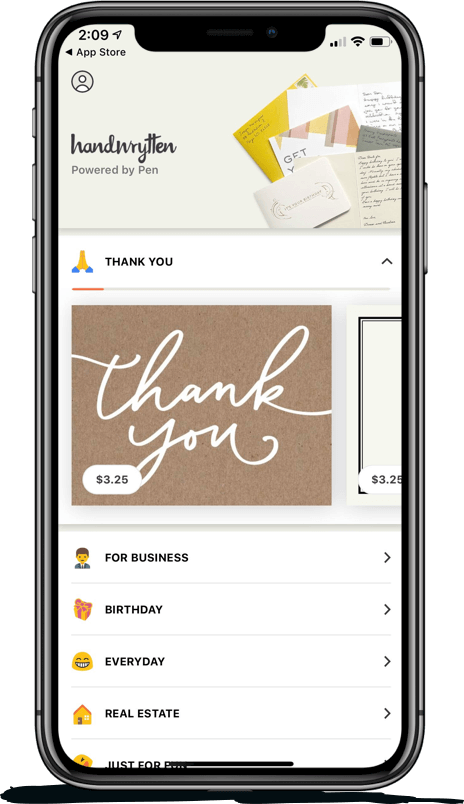
Scale your handwritten outreach, creating positive impressions and long lasting bond.
Sign Up Today!

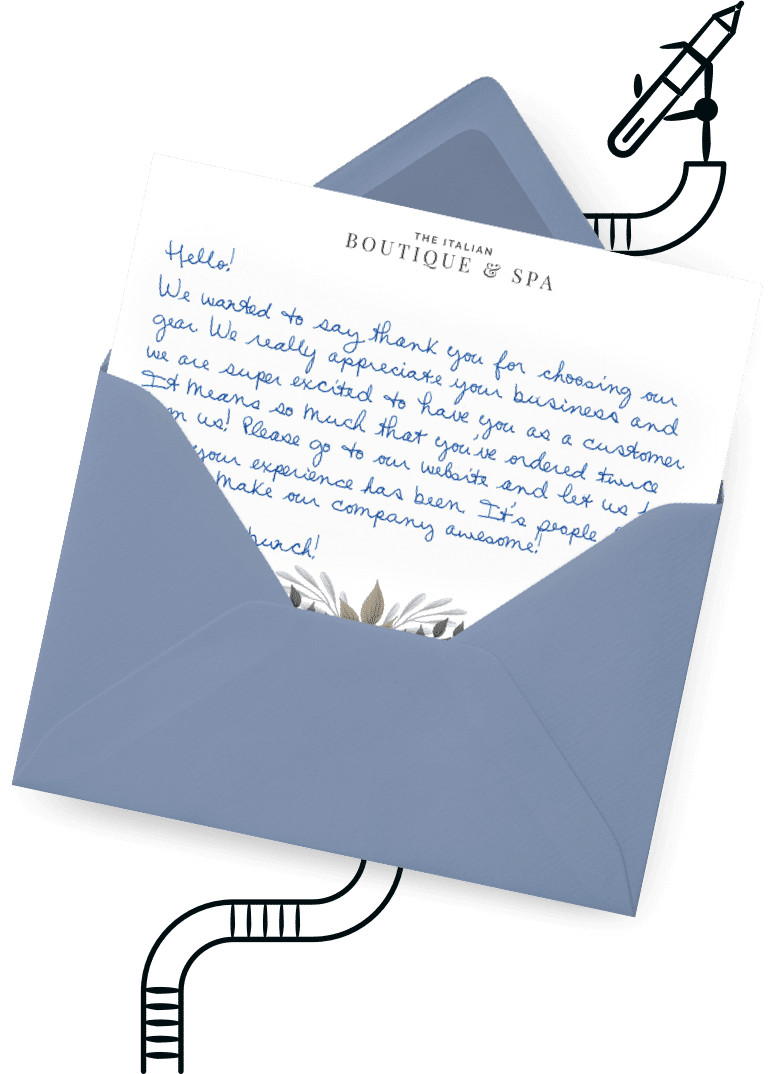

Over 100 designs to choose from or design your own. Our online card customizer makes it simple.
Check Out Our Cards!




Thank you.
