



The best client relationships aren’t built in boardrooms. They’re built in the small, consistent moments of genuine human connection — wherever you happen to be.
Client rapport is the foundation of every lasting business relationship — and one of the most challenging things to build in a remote or hybrid work environment. The small moments that used to create connection naturally — a conversation before a meeting started, a shared lunch, the informal exchange at the end of a call — don’t transfer to virtual environments automatically. Building genuine client rapport in a world where most professional interactions happen through screens requires deliberate strategy, consistent effort, and the willingness to go beyond digital defaults when the moment calls for it.
The businesses that build the strongest remote client relationships aren’t the ones with the most sophisticated video conferencing setups or the most elaborate CRM systems. They’re the ones that understand what client rapport actually requires — genuine individual attention, consistent reliability, and the occasional physical gesture that communicates care in a format that no digital touchpoint can replicate — and that build those elements into their client relationship practices systematically.
These six strategies are the ones that work — not theoretically but in practice, in the real remote work environments where most professional relationships now live.
Before the strategies, the diagnosis. Remote work creates specific challenges for client rapport that in-person environments handle naturally — and understanding those challenges is what makes the solutions meaningful rather than arbitrary.
The absence of physical presence. In-person interactions engage multiple senses simultaneously — the handshake, the eye contact, the shared physical space — in ways that create connection efficiently and naturally. Remote interactions are filtered through screens and limited to voice and video, which reduces the richness of the relational signal and requires more conscious effort to achieve the same quality of connection.
The loss of informal touchpoints. The most relationship-building moments in client work often happen in the informal spaces around formal interactions — before the meeting officially starts, in the hallway afterward, over lunch. Remote work eliminates most of these spaces and leaves only the scheduled, formal interaction — which is too constrained to build the kind of organic rapport that informal moments create.
The difficulty of reading the room. Non-verbal communication — body language, facial expression, the physical energy of a room — provides constant real-time feedback in in-person interactions that experienced relationship builders use to calibrate their approach. Remote environments provide a fraction of this information, making it harder to sense when a client is disengaged, frustrated, or genuinely excited.
Despite these challenges, client rapport in remote relationships is not just achievable — it’s often deeper and more deliberate than the rapport built in in-person environments, precisely because it requires conscious effort rather than happening by accident. The strategies below are what that conscious effort looks like in practice.
Client rapport begins before the first interaction — in the research that allows you to show up to a conversation knowing something real and specific about the person you’re speaking with. The client who senses that you’ve done your homework — that you know something about their business, their recent achievements, their industry context, or even their personal interests — experiences a quality of individual attention that creates immediate relational warmth.
This doesn’t require deep investigation. It requires five minutes of genuine curiosity before every significant client interaction — a LinkedIn review, a quick look at their company’s recent news, a search for anything they’ve published or been quoted in recently. The question to ask yourself before every client interaction: what do I know about this specific person that isn’t in the briefing document?
The answer to that question is the raw material of genuine client rapport — because the conversation that begins with a genuine, specific acknowledgment of something real about the client communicates something that no amount of polished professional preparation can replicate: that you see this person as an individual rather than as an account.
In practice: Before every client call or video meeting, spend five minutes reviewing your client’s recent professional activity. Find one specific thing — a recent achievement, a company milestone, an industry development that affects their business — and open the conversation with it. Not as a rapport-building technique, but as genuine human curiosity. Clients feel the difference.
Client rapport in remote relationships depends on reliability in a way that in-person relationships don’t — because the absence of physical proximity means that the only evidence clients have of your commitment is your behavior, and the only trust-building mechanism available is consistency over time.
A client who has never met you in person doesn’t have the benefit of liking you personally before they trust you professionally. They have to build trust from the pattern of your behavior — from whether you do what you say you’ll do, communicate when you say you’ll communicate, and deliver what you say you’ll deliver, consistently and without being chased.
This is why reliability is the foundation of remote client rapport rather than just a professional virtue. In an in-person relationship, a single missed commitment is forgiven quickly because the relational warmth of regular physical interaction buffers it. In a remote relationship, a single missed commitment plants a seed of doubt that the absence of regular in-person interaction can’t quickly overcome.
In practice: Create a communication cadence for every active client relationship — not just a project update schedule but a genuine connection rhythm. One brief check-in call per month that isn’t about deliverables. One proactive update when something relevant to their business crosses your desk. One personal acknowledgment — a birthday, an anniversary, a professional milestone — that communicates you track the things that matter to them specifically. That cadence, maintained consistently, is what builds the reliability that remote client rapport requires.
Remote client relationships suffer most from the communication gaps that in-person environments fill automatically. When a client can’t see the work happening, can’t drop by to check in, and can’t pick up informal cues about progress and momentum from physical presence, their default experience of the relationship is uncertainty — and uncertainty erodes client rapport faster than almost anything else.
The solution isn’t more communication volume — it’s more intentional communication quality. A brief, specific, proactive update that arrives before the client has started wondering about progress communicates something much more powerful than a detailed report delivered in response to a direct inquiry. The former communicates that you’re thinking about them. The latter communicates that you respond to prompts.
In practice: Audit your current client communication practices against one question: are clients hearing from me before they have to ask? If the answer is no for most touchpoints, the communication cadence needs to shift from reactive to proactive. The clients who stay longest and refer most actively are almost always the ones who feel consistently informed — not by volume of communication, but by the felt sense that their advisor is always slightly ahead of their questions.
Client rapport that sustains long-term relationships isn’t built on friendliness — it’s built on genuine usefulness. The most trusted advisors, partners, and service providers in any client relationship are the ones who understand the client’s business deeply enough to see problems coming before the client does — and to bring relevant insights, connections, and solutions without being asked.
This kind of value-added engagement is what transforms a client relationship from a transactional vendor arrangement into a genuine strategic partnership — and it’s what creates the kind of client rapport that survives competitive pressure, pricing challenges, and the inevitable difficult moments in any long-term engagement.
In practice: For every significant client, maintain a dedicated file of their business context — their competitive landscape, their strategic priorities, their key challenges, the names and roles of the people in their organization who influence decisions. Review it quarterly. Send relevant articles, research, or industry developments when you encounter something genuinely useful to their specific situation — not as a marketing touchpoint but as a genuine act of professional generosity. The client who receives three genuinely useful unsolicited insights over the course of a year develops a fundamentally different quality of client rapport than the one who hears from their advisor only when there’s a deliverable to discuss.
Remote client relationships require navigating significant variation in how different clients prefer to communicate — and client rapport suffers every time the communication format creates friction for the client rather than eliminating it. A client who is uncomfortable on video calls but feels pressured into them is already slightly on guard before the conversation starts. A client whose preferred communication channel is voice but whose advisor only uses chat is perpetually underserved.
The single most underrated client rapport strategy in remote relationships is the simple act of asking clients how they prefer to communicate — and then genuinely honoring that preference rather than defaulting to whatever is most convenient for the advisor.
In practice: At the beginning of every new client relationship, ask directly: how do you prefer to communicate day-to-day, and how often do you want to hear from us? Then build your communication practice around their answer rather than your default. The client who feels that their communication preferences are genuinely respected develops stronger client rapport more quickly than one who feels that every interaction happens on the advisor’s terms.
The most counterintuitive client rapport strategy for remote relationships — and consistently the most impactful — is the one that has nothing to do with digital technology: sending a genuine handwritten note that arrives in the client’s physical mailbox.
Remote client relationships live entirely in digital channels — video calls, emails, messages, shared documents. Every touchpoint competes with every other digital notification for the client’s attention, and every touchpoint communicates the same implicit message: this is a digital relationship managed through digital tools. A handwritten note breaks that pattern entirely. It arrives in a physical space that no digital touchpoint occupies. It communicates individual effort and genuine care before the envelope is opened. And it creates the kind of emotional impression — of being specifically thought about by a specific person — that sustains client rapport through the long periods between major project milestones when digital-only relationships tend to fade.
For remote client relationships specifically, the handwritten note carries additional weight because it bridges the physical distance that virtual work creates. A client who has never met you in person but has received a handwritten note from you has experienced a quality of individual attention that most in-person relationships never generate. That experience creates a depth of client rapport that no Zoom call, however warm, ever quite achieves.
Handwrytten’s robotic pen-and-ink technology produces genuinely handwritten notes — real pen, real paper, real ink — at any volume, triggered automatically through CRM integrations with Salesforce, HubSpot, and other platforms. For remote client relationships, the most impactful touchpoints to automate include new client welcome notes, project completion acknowledgments, client anniversary cards, and the occasional unexpected note sent with no agenda beyond genuine appreciation.
What to write:
New client welcome: “We’re genuinely glad you’ve chosen to work with us — and committed to making sure every element of the experience reflects that. Looking forward to building something great together.”
Project completion: “What we accomplished together on [project] is something we’re genuinely proud of — and a big part of that is the partnership you brought to it. Thank you for your trust and your engagement. Looking forward to what comes next.”
Client anniversary: “One year of working together — and we’re grateful for every month of it. Your trust in us means more than a standard check-in email can express. Thank you.”
Unexpected appreciation: “No particular occasion for this note — just a genuine moment of appreciation for the partnership we’ve built and the trust you continue to extend. Thank you.”
Client rapport isn’t built in a single interaction — it accumulates over time through the consistent experience of being seen, heard, valued, and genuinely served by a professional who shows up personally and reliably at every meaningful moment in the relationship.
In a remote environment, that accumulation requires more deliberate effort than it does in person — because the informal moments that build rapport naturally in physical environments don’t exist in virtual ones. But the client rapport that results from deliberate, consistent, genuine relationship investment in a remote context is often more durable than the rapport built through casual in-person contact — because it was built on evidence of genuine individual attention rather than on the social ease of physical proximity.
The six strategies above — research-driven connection, reliability, proactive communication, business fluency, communication preference matching, and the physical touchpoint of a handwritten note — work together to create the kind of cumulative client rapport that sustains long-term relationships, generates consistent referral activity, and produces the business outcomes that digital-only relationship approaches consistently fall short of.
Why is client rapport harder to build in remote relationships?
Because the informal, incidental moments that create connection naturally in in-person environments — the conversation before the meeting, the hallway exchange, the shared lunch — don’t exist in virtual settings. Remote client rapport requires deliberate strategies that replicate the relational effects of those informal moments through intentional communication and genuine personal gestures.
What’s the most underrated client rapport strategy for remote relationships?
Sending a handwritten note. In a relationship that lives entirely in digital channels, a physical handwritten card arriving in a client’s home or office creates an impression that no digital touchpoint produces — and builds a depth of individual connection that sustains the relationship through the long periods between major project milestones.
How often should I communicate with remote clients to maintain rapport?
The frequency matters less than the quality and proactivity. Clients who hear from their advisors before they have to ask develop stronger client rapport than those who receive high-volume reactive communication. One genuinely proactive, personally relevant touchpoint per month outperforms weekly check-in emails that feel automated.
Can client rapport in remote relationships be as strong as in-person rapport?
Yes — and in some cases stronger, because remote client rapport is built deliberately rather than incidentally. The trust that accumulates through consistent reliability, proactive communication, and genuine personal gestures in a remote relationship is often more durable than the rapport built through the social ease of physical proximity.
How does Handwrytten support remote client relationship building?
By making the handwritten touchpoint — the most impactful physical gesture available in a remote relationship — scalable and automatic. Handwrytten integrates with CRM platforms to trigger genuine handwritten notes at key moments in the client relationship lifecycle, ensuring that every client receives personal, physical acknowledgment at the moments that matter most without any manual effort from your team.
Remote client relationships don’t build themselves — but they build more durably when they’re built with intention. The six strategies above — from the research that makes connection genuine to the handwritten note that arrives in the physical world — create the cumulative impression of genuine individual care that is the foundation of lasting client rapport.
The distance is real. The connection can be too.
Start Sending → handwrytten.com
Editor’s note: This article was revised in June 2026


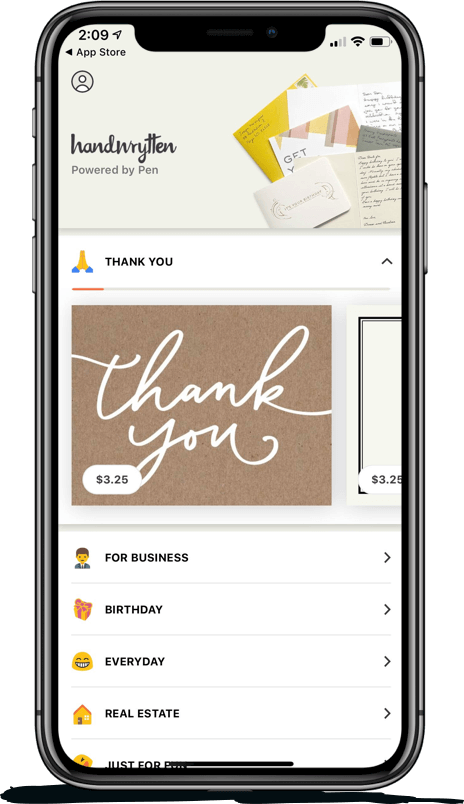
Scale your handwritten outreach, creating positive impressions and long lasting bond.
Sign Up Today!

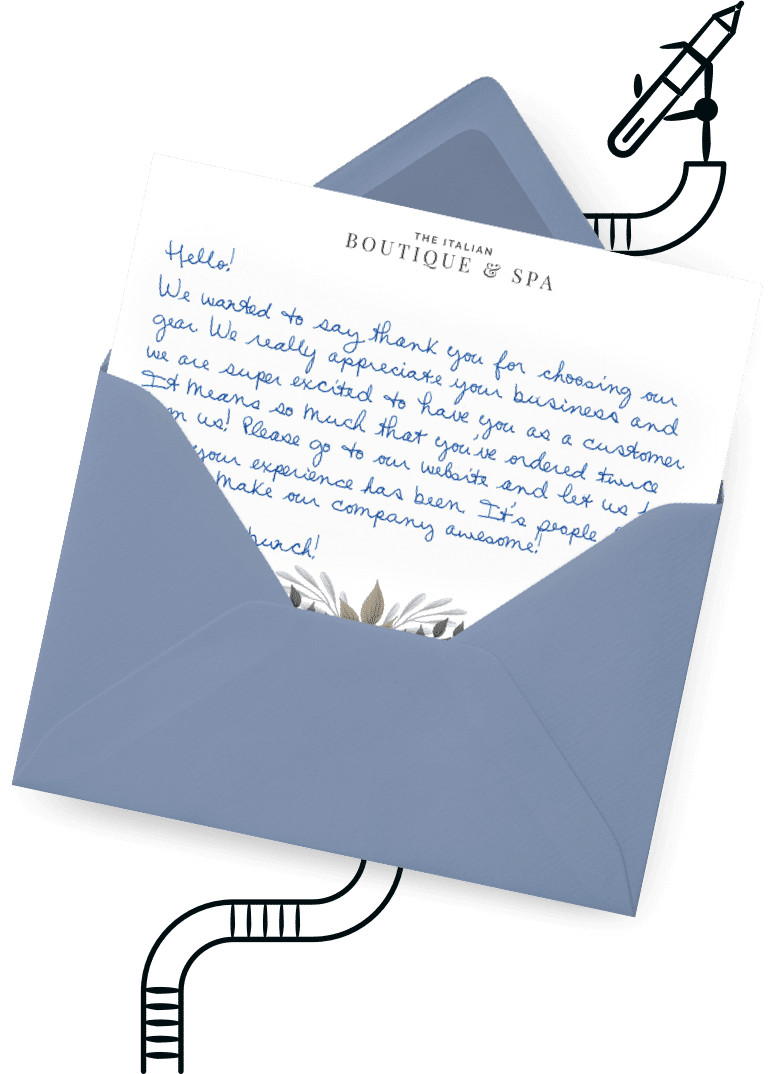

Over 100 designs to choose from or design your own. Our online card customizer makes it simple.
Check Out Our Cards!




Thank you.
