



Every EdTech company is flooding inboxes this fall. The ones winning deals are showing up somewhere else entirely.
EdTech direct mail strategy is becoming one of the most significant differentiators for companies trying to reach institutional buyers during the back-to-school season. While digital outreach has become the default — email sequences, LinkedIn campaigns, paid ads, webinar funnels — the decision-makers those channels are trying to reach have largely learned to filter them out. District administrators, procurement teams, HR leaders, and corporate training directors aren’t casually browsing. They’re evaluating, prioritizing, and moving fast through a narrow decision window.
In that environment, showing up isn’t enough. Standing out is the only thing that matters.
A well-executed EdTech direct mail strategy doesn’t replace digital outreach — it makes digital outreach more effective by creating a physical, credible touchpoint that earns the attention everything else is competing for. Here’s how to build one that actually works.
Back-to-school is widely understood as a consumer season. In institutional sales, it’s something more valuable: one of the most active planning and purchasing periods of the year.
School districts are finalizing vendor decisions. Corporate training departments are resetting budgets and evaluating new tools. Learning and development leaders are looking for solutions that can be implemented before year-end. The result is a narrow but powerful window where budgets are active, needs are clearly defined, and decision timelines are compressed.
An EdTech direct mail strategy built around this timing reaches decision-makers when they’re actively evaluating — not after the decisions have already been made. That timing distinction is everything.
The channels most EdTech and training companies rely on — email sequences, LinkedIn outreach, paid ads, webinar funnels — are important. They’re also saturated. Decision-makers in school districts and corporate environments receive hundreds of digital messages every week. Most are ignored, filtered, or skimmed without meaningful engagement.
Direct mail changes that dynamic. A physical piece of mail creates presence in a way that a digital message simply cannot — higher recall, increased perceived credibility, and a moment of focused attention that institutional buyers almost never give to their inboxes.
In a sales process where trust and credibility are prerequisites for even getting a conversation, that moment of attention is often the hardest thing to earn — and direct mail is one of the most reliable ways to create it.
The most effective EdTech direct mail strategy doesn’t treat physical mail as a replacement for digital outreach. It treats it as the differentiating layer within a multi-touch approach:
Digital touchpoints build initial awareness — an email introduces your solution, a LinkedIn connection establishes presence, a paid ad reinforces familiarity.
Direct mail creates differentiation — a handwritten note arrives in a completely different context, signals genuine effort, and elevates your brand above the digital noise at exactly the moment decision-makers are narrowing their options.
Follow-up outreach drives conversion — a call or email that references the physical mail piece benefits from the credibility it already established.
Each layer makes the others more effective. The handwritten note doesn’t close the deal — it makes the conversation that closes the deal more likely to happen.
Selling into school districts requires understanding both the structure and the mindset of the people you’re trying to reach. Key audiences include superintendents, curriculum directors, technology coordinators, and procurement officers — each with different priorities and different levels of involvement in the final decision.
Outreach that works with this audience is clear, concise, and focused on outcomes rather than features. These are time-constrained professionals who need to quickly understand what you offer and why it matters to them — not wade through technical specifications.
The tone that lands best is collaborative rather than transactional:
“We understand how important it is to support both educators and students effectively. We’d love to connect and learn more about your priorities this school year.”
That kind of message positions your brand as a partner — someone worth a conversation — rather than a vendor pushing for a sale.
Corporate training buyers operate under a different set of pressures than district administrators, but the same core principles apply to an effective EdTech direct mail strategy. They’re focused on ROI, scalability, employee engagement, and measurable outcomes — and they’re evaluating multiple solutions simultaneously during the back-to-school planning cycle.
A well-timed direct mail touchpoint can reintroduce your brand, cut through digital fatigue, and signal the kind of credibility that moves your solution from the consideration pile to the short list.
The message should be low-pressure and forward-looking:
“As teams head into a new training cycle, we’d welcome the opportunity to support your goals this year. Looking forward to connecting when the timing is right.”
No urgency. No hard sell. Just presence — at exactly the moment it matters most.
The practical challenge with any direct mail strategy is execution. Writing, personalizing, addressing, and mailing individual cards to hundreds of institutional prospects isn’t a realistic manual process for most sales and marketing teams.
Handwrytten solves that problem without sacrificing the quality that makes the format effective. Using robotic pen-and-ink technology, Handwrytten produces genuinely handwritten cards — written with real pen on real paper — at any volume, with each one personalized for the individual recipient. CRM integrations with platforms like Salesforce and HubSpot make it straightforward to target specific decision-maker segments, time outreach around key dates in the back-to-school cycle, and trigger follow-up cards automatically based on engagement.
Custom messaging for different audience segments — district administrators versus L&D leaders, for example — ensures every card speaks directly to the priorities of the person receiving it. The automation handles the logistics. The handwriting handles the impression.
Back-to-school outreach works best when it’s staged intentionally across the decision cycle:
Early summer is the introduction window — awareness outreach that plants your brand in the minds of decision-makers before the evaluation process formally begins.
Mid-summer is the positioning window — follow-up outreach that reinforces credibility and keeps your solution visible as options are being narrowed.
Late summer and early fall is the decision-stage window — the highest-value moment for a handwritten card that arrives while final vendor choices are being made and distinguishes your brand from competitors still relying entirely on digital.
A strong EdTech direct mail strategy maps each piece of outreach to the right stage — so the message matches where the buyer actually is in the process.
Even strong EdTech solutions lose deals because the outreach misses the mark. The most common mistakes include:
Overly technical messaging. Decision-makers don’t want to understand your technology — they want to understand what it will do for their students, employees, or organization. Lead with outcomes.
Long, dense communication. A handwritten card has limited real estate. Use it for one clear, compelling point — not a product overview.
Aggressive sales language. Institutional buyers respond to credibility and partnership, not urgency and pressure. Any message that feels like a pitch will be treated like one.
Generic outreach with no personalization. A card that could have been sent to anyone reads exactly like that. Segment your audience and tailor the message to each group’s specific priorities.
Relying only on digital. The EdTech direct mail strategy works because it creates a touchpoint where no one else is showing up. Don’t abandon the channel that’s giving you the advantage.
What is an EdTech direct mail strategy and why does it matter? It’s a B2B outreach approach that uses physical mail — particularly personalized handwritten cards — to reach decision-makers in education and corporate training environments. It matters because digital channels are saturated and direct mail creates a tangible, credible touchpoint that institutional buyers actually notice.
Why is direct mail specifically effective for school districts? Because district administrators and procurement teams are inundated with digital outreach and have become skilled at ignoring it. A physical, handwritten card arrives in a completely different context — one where it gets noticed, read, and remembered.
Who should EdTech companies target with direct mail campaigns? Key audiences include superintendents, curriculum directors, technology coordinators, and procurement officers at the district level, and HR leaders, L&D directors, and training managers in corporate environments.
Can direct mail be used effectively for corporate training outreach? Yes. Corporate training buyers respond well to credible, low-pressure outreach that demonstrates genuine understanding of their priorities. A well-timed handwritten card during the back-to-school planning cycle can elevate your brand above competitors relying entirely on digital channels.
How can EdTech companies scale direct mail without losing the personal quality? With Handwrytten. The platform enables fully automated handwritten outreach — real pen on real paper, personalized for each recipient — at any volume, integrated with your existing CRM so campaigns run consistently without manual effort.
Back-to-school is not just a seasonal shift — it’s a decision-making window that closes faster than most EdTech companies realize. The brands that win during this period aren’t the ones sending the most messages. They’re the ones creating the most meaningful ones — at the right moment, through the right channel, with the right level of personal credibility.
A well-executed EdTech direct mail strategy is how you become one of those brands.
Start Sending → handwrytten.com


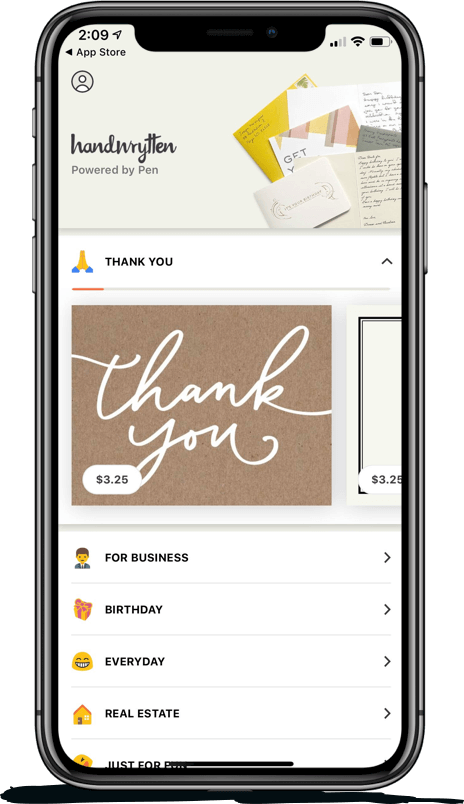
Scale your handwritten outreach, creating positive impressions and long lasting bond.
Sign Up Today!

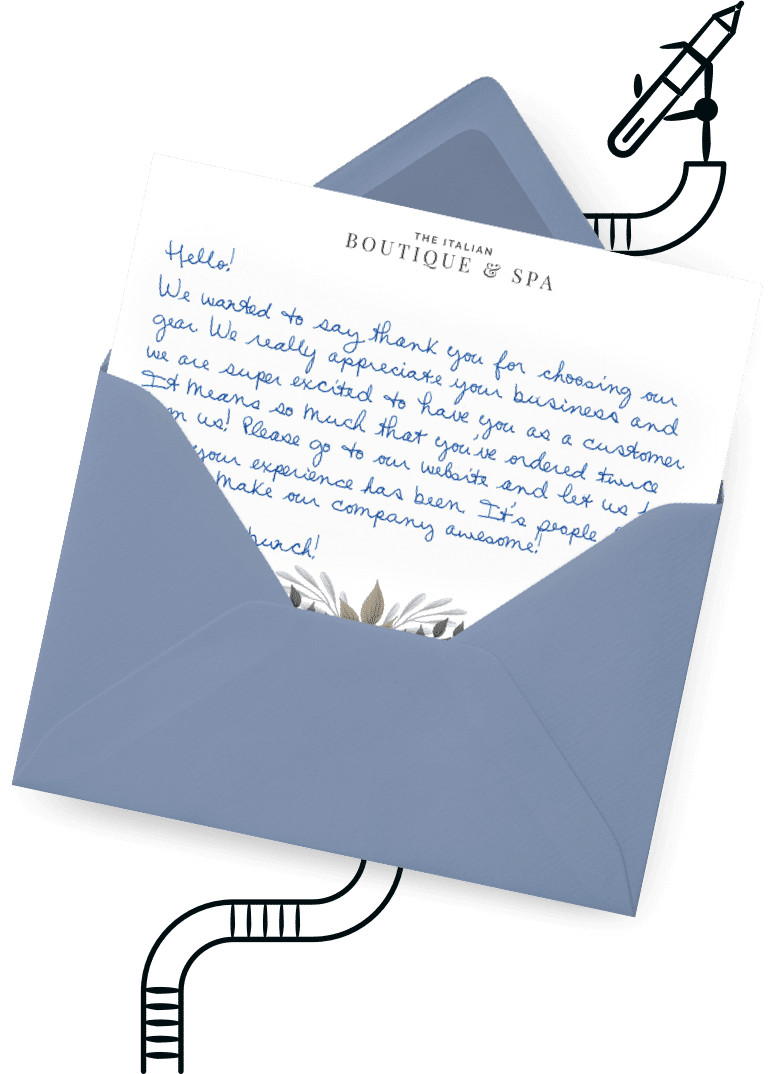

Over 100 designs to choose from or design your own. Our online card customizer makes it simple.
Check Out Our Cards!




Thank you.
