



The emails get processed. The handwritten notes get kept.
Handwritten notes for educators are one of the most genuinely impactful communication tools available in any school community — and one of the most consistently underleveraged. Education is a relationship profession. The quality of the relationships between teachers and students, between schools and families, between administrators and staff determines the culture that makes a school genuinely exceptional rather than merely functional. And the communication format that builds those relationships most powerfully isn’t the learning management system notification, the automated attendance email, or the end-of-semester progress report. It’s the handwritten note that arrives unexpectedly, acknowledges something specific, and communicates that a real person took real time for this specific student, parent, or colleague.
The research on this is consistent: students who feel personally seen by their educators perform better, engage more deeply, and develop stronger attachment to their school communities. Parents who receive genuine individual communication from educators invest more actively in their children’s educational experience. Staff members who feel specifically acknowledged by their colleagues and administrators sustain higher engagement and lower burnout rates. Handwritten notes for educators create all of these outcomes — through the simplest, most accessible, most universally powerful communication format available.
This guide covers exactly how handwritten notes for educators build every dimension of school community — the student connections, the family partnerships, the colleague relationships, and the staff culture that make schools genuinely great — with the specific touchpoints, messages, and practical implementation approach that produce the strongest results.
The education environment has shifted dramatically toward digital communication — and that shift has created a specific opportunity for handwritten notes for educators that didn’t exist when written communication was still the norm. In a world where every communication from a school arrives digitally — email, text, app notification, learning management system update — a genuine handwritten note arriving in a student’s mailbox, a parent’s hand, or a colleague’s mailbox creates a completely different quality of impression than any digital message achieves.
Digital school communication is efficient and necessary. It handles information transfer well. What it consistently fails to communicate is the individual human care that transforms functional school relationships into genuinely meaningful ones. A student who receives an automated progress notification knows their grade. A student who receives a handwritten note from their teacher acknowledging their specific effort and growth feels seen — and feeling seen by a trusted educator is one of the most powerful motivators available in any educational context.
This is the core value of handwritten notes for educators: not that they replace the efficiency of digital communication, but that they add the individual human layer that sustains the relationships digital communication can never fully build.

The most foundational relationship in any school community is the one between educator and student — and handwritten notes for educators are the touchpoint that communicates individual investment in that relationship most powerfully. Students who receive a genuine handwritten note from a teacher acknowledging their specific effort, their specific growth, or their specific character quality carry that acknowledgment with them in a way they never carry a digital message.
This isn’t sentiment — it’s developmental psychology. Young people form their sense of competence and belonging partly through the specific feedback they receive from trusted adults. A handwritten note that says “I noticed how hard you worked on this — and I want you to know it showed” communicates something qualitatively different from the same message delivered verbally or digitally. The physical format signals deliberate individual investment — and that signal matters to students at every age.
When to send handwritten notes for educators to students:
Academic progress acknowledgment. A handwritten note acknowledging specific academic improvement — not just high grades, but effort, growth, and the process of getting better at something difficult — communicates the kind of individual observation that motivates continued engagement.
Behavioral or social growth. Students who demonstrate positive growth in how they treat peers, manage challenges, or contribute to classroom community deserve specific acknowledgment — and a handwritten note creates a private, personal record of that acknowledgment that students often keep for years.
Before significant challenges. A brief handwritten note arriving before an exam, a performance, or a significant academic challenge communicates confidence in the student that sustains their own confidence through the difficulty.
After personal hardship. Students navigating personal difficulties — family challenges, health issues, social struggles — often need acknowledgment that their educator sees them beyond their academic performance. A brief, warm handwritten note communicates presence and care without requiring the student to initiate a conversation they may not be ready for.
Sample handwritten notes for educators to students:
Academic progress:
“[Student name] — I’ve been watching how hard you’ve been working in [subject] lately, and I wanted to make sure you knew I see it. The improvement you’ve shown over the past [timeframe] is something to be genuinely proud of. Keep going — you’re building something real.”
Character acknowledgment:
“[Student name] — what you did for [classmate] this week didn’t go unnoticed. That kind of kindness takes courage and generosity, and it’s one of the things that makes this classroom a better place. Thank you for being who you are.”
Pre-challenge encouragement:
“[Student name] — I wanted to reach out before [exam/performance] to say: I’ve seen how you’ve prepared, and I believe in your ability to do this. Whatever happens, the effort you’ve put in is real and it matters. You’ve got this.”
After a difficult period:
“[Student name] — I’ve been thinking about you and wanted to reach out personally. I want you to know that I see you — not just as a student but as a person — and I’m here for any conversation you want to have. No agenda, no pressure. Just here.”
The relationship between school and home is one of the most powerful determinants of student success — and one of the most consistently strained by the impersonal, transactional quality of most school-to-family communication. Most of the communication families receive from schools is informational at best and institutional at worst — attendance records, grade reports, policy announcements, and event reminders delivered through the same digital channels as every other notification in a parent’s overloaded inbox.
Handwritten notes for educators to families create a completely different communication experience — arriving as a physical, personal gesture that communicates genuine individual attention in a format that no school communication app ever replicates. A parent who receives a handwritten note from their child’s teacher acknowledging their child specifically and expressing genuine appreciation for the family’s engagement doesn’t just feel good about the note. They feel good about the school — and that feeling sustains the family investment in the educational partnership that helps students thrive.
When to send handwritten notes for educators to families:
After parent-teacher conferences. A brief handwritten thank-you arriving within 48 hours of a conference acknowledges the parent’s investment of time and communicates genuine appreciation for the partnership — transforming a functional meeting into the beginning of a stronger relationship.
At the beginning of the year. A handwritten welcome note from a teacher to the families of their students — arriving before the school year begins or in the first week — establishes the relationship on a personal footing that sustains through the inevitable challenges of the academic year.
When a student has a breakthrough. A handwritten note to a family communicating a specific positive development — academic progress, social growth, a moment of unexpected leadership — creates a shared celebration that strengthens the school-home partnership.
During difficult periods. A handwritten note to a family navigating difficulty — a health challenge, a family disruption, a period of student struggle — communicates that the school sees the family as a partner rather than an audience for institutional communication.
Sample handwritten notes for educators to families:
After a conference:
“Thank you for taking the time to meet with me — your investment in [student name]’s education is something I genuinely appreciate, and our conversation gave me important insight that will help me serve them better. I’m looking forward to a great year together.”
Beginning of year welcome:
“Dear [family name] — I wanted to reach out personally before the year begins to say how much I’m looking forward to having [student name] in my classroom. I’m committed to being a genuine partner in their education, and I wanted you to know that from the very start.”
Student breakthrough:
“I wanted to share some wonderful news about [student name] — [specific achievement or growth]. Moments like this are what make teaching meaningful, and I wanted to make sure you knew directly. You should be very proud.”
Acknowledging family support:
“I’ve noticed how much support [student name] is receiving at home — the consistency, the encouragement, the time you’re investing in their education. That kind of family engagement makes a real difference, and I wanted to make sure you knew I see it and am grateful for it.”
The school community extends well beyond the classroom — and the culture of genuine appreciation that makes schools genuinely great is built through the acknowledgment of every person who contributes to it. Teachers, counselors, front office staff, custodians, paraprofessionals, and administrators all bring specific, irreplaceable contributions to the school community — and handwritten notes for educators that acknowledge those contributions create the culture of gratitude that sustains staff engagement through the inevitable challenges of the school year.
Staff recognition is one of the most high-return applications of handwritten notes for educators — because staff who feel specifically seen and genuinely valued by their colleagues and administrators bring a different quality of engagement to their work than those who feel functionally adequate but individually invisible.
When to send handwritten notes for educators to colleagues and staff:
During Teacher Appreciation Week. A genuine, specific handwritten note from an administrator or colleague during Teacher Appreciation Week — acknowledging a specific quality or contribution rather than a generic expression of thanks — creates the individual impression that a school-wide email celebration never achieves.
After an exceptional effort. A handwritten note arriving after a teacher, counselor, or staff member has gone significantly above and beyond — covering a difficult situation, supporting a struggling student, managing an unexpected challenge with grace — communicates specific acknowledgment of the specific effort.
During burnout season. The middle of the school year — when initial enthusiasm has settled and the end feels far away — is when educators most need the acknowledgment that their work is seen and valued. A handwritten note arriving at this moment, from a colleague or administrator who noticed, creates the kind of individual support that sustains engagement through the difficult stretch.
At year end. A handwritten note from a principal or department head to every staff member at the close of the school year — acknowledging the specific contributions of each individual rather than sending a generic all-staff message — creates the lasting impression that sustains staff retention and commitment to the following year.
Sample handwritten notes for educators to colleagues:
To a teacher during a difficult period:
“[Name] — I’ve been watching how you’ve handled [specific challenge] this year, and I wanted to reach out personally to say: I see it, I appreciate it, and the students in your classroom are lucky to have someone who shows up the way you do. Thank you.”
To support staff:
“[Name] — the way you [specific contribution] makes this school run better every single day — and I don’t say that often enough. Thank you for everything you bring to this community. It genuinely matters.”
From an administrator to a teacher:
“[Name] — the specific way you [specific teaching quality or achievement] has not gone unnoticed. I want you to know that the work you do is seen, valued, and making a real difference for the students in your care. Thank you for being the kind of educator you are.”
To a departing colleague:
“[Name] — watching you work has been one of the genuine privileges of my time at [school name]. The specific way you [quality or contribution] has shaped this school community in ways that will outlast your time here significantly. Thank you for everything.”
Beyond the relationship-specific touchpoints above, handwritten notes for educators can be deployed at consistent seasonal and milestone moments throughout the school year — creating a rhythm of genuine acknowledgment that sustains school community through the full academic calendar.
Beginning of year welcome notes. Handwritten welcome notes to new students, new families, and new staff members arriving before the school year begins establish the school’s culture of genuine individual care from the very first interaction.
End of year appreciation notes. A handwritten note to every student at the close of the school year — acknowledging something specific about their growth, their character, or their contribution to the classroom community — creates the lasting final impression of the educational relationship that students carry forward.
Back-to-school season. A handwritten note from a teacher arriving in the week before school begins — warm, welcoming, and specific enough to communicate genuine individual attention — reduces new-year anxiety and establishes the relationship before the first school day.
Holiday and seasonal acknowledgments. Brief handwritten notes at seasonal moments — Thanksgiving, winter break, spring — communicate ongoing investment in relationships beyond the transactional moments of curriculum delivery and progress reporting.
Personal milestones. Birthdays, significant personal achievements, retirement, the arrival of a new baby — personal milestones for both students and staff deserve acknowledgment that communicates the individual is valued as a person rather than purely as a role.
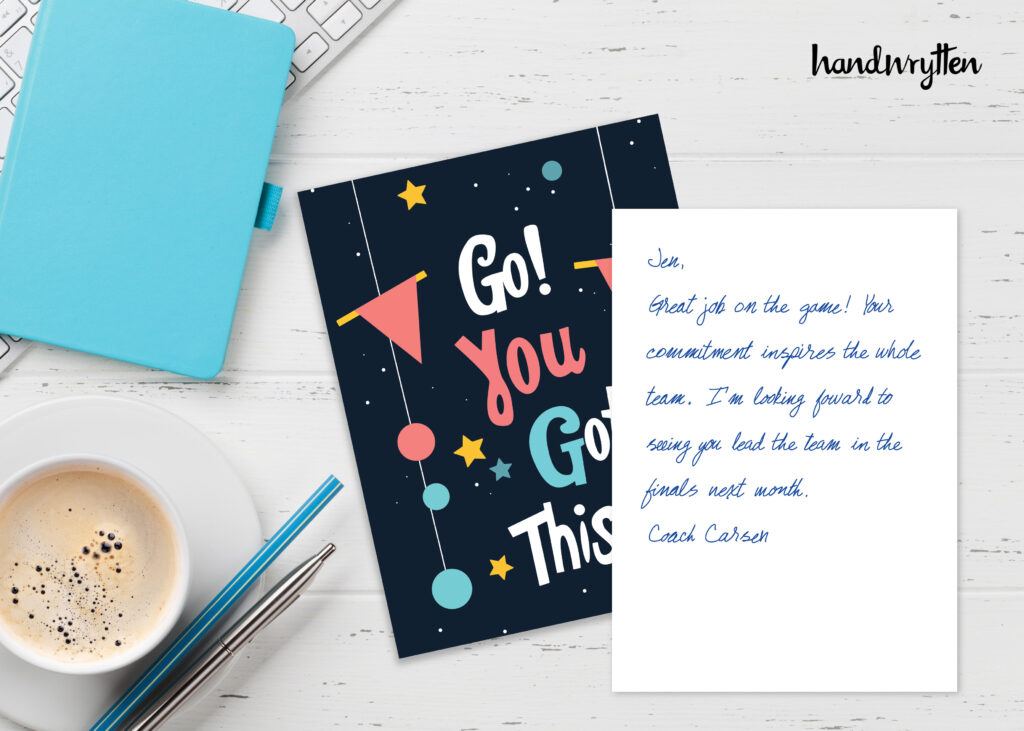
The practical challenge of implementing a systematic handwritten notes for educators program — writing individual notes for every student in a classroom, every family in a school, every staff member on a campus — is precisely what prevents most educators and administrators from doing it consistently. The intention is almost universal. The capacity to execute it manually, at the moments when classroom demands are highest, is not.
Handwrytten removes that barrier without removing the personal quality. Educators and administrators compose their messages through Handwrytten’s platform, selecting from more than 30 handwriting styles or uploading a custom design with school branding. Handwrytten’s robotic pen-and-ink technology writes every note in genuine handwriting on real paper — real pen, real ink, real indentation — and handles addressing, stamping, and mailing without any additional effort from the educator.
For schools and districts running systematic programs — beginning-of-year welcome campaigns, teacher appreciation sends, graduation acknowledgments, end-of-year appreciation notes — bulk upload tools allow large recipient lists to be processed efficiently while maintaining the individual personalization that makes each note feel genuinely written for its recipient. CRM integrations allow specific trigger events — a student milestone, a staff anniversary, a family conference completion — to automatically initiate a handwritten note without any manual action from the educator.
Custom school stationery, logo integration, QR codes linking to school calendars or resources, and branded inserts are all available — ensuring every handwritten note for educators reflects the school’s professional identity while communicating the individual warmth that makes the gesture effective.
How can educators manage handwritten notes for large student or family populations?
Handwrytten’s platform allows educators and administrators to compose messages, upload recipient lists, and schedule sends in batch — so a classroom teacher can send personalized notes to every student’s family simultaneously, or a principal can send individual acknowledgments to every staff member at the close of the year, without writing each note manually.
What handwriting styles are available for school notes?
Handwrytten offers more than 30 handwriting styles ranging from casual and warm to neat and professional — allowing educators to choose the style that best matches their communication tone and the age group they’re addressing. Custom handwriting fonts recreated from the educator’s own handwriting are also available.
Can school branding be included on educator handwritten notes?
Yes. Handwrytten supports custom school stationery with logos, school colors, and visual identity — ensuring every note reflects the school’s professional brand while maintaining the personal warmth of the handwritten format.
Are handwritten notes appropriate for all grade levels?
Yes — with appropriate calibration. Younger students respond well to colorful, warm, celebratory cards with simple enthusiastic messages. Older students and adults respond to more specific, substantive acknowledgment that demonstrates genuine individual observation. The format works across every age group — what changes is the tone and specificity of the content.
Can handwritten notes for educators include inserts or QR codes?
Yes. Handwrytten supports the inclusion of QR codes linking to school calendars, event registrations, or other relevant resources, as well as branded inserts — event schedules, resource guides, small gifts — that extend the value of the note beyond the written message.
How quickly can handwritten notes for educators be produced and mailed?
Handwrytten’s standard production turnaround is one to two business days from the scheduled send date — ensuring notes sent for time-sensitive moments like pre-exam encouragement or post-conference appreciation arrive within the optimal window.
Handwritten notes for educators don’t require a major program or a significant budget — they require intention, specificity, and the right platform to make consistent execution operationally feasible. The student who receives a genuine handwritten note from their teacher carries it differently than any digital message. The parent who receives a personal acknowledgment from the school feels the partnership differently than any app notification communicates. The colleague who finds a handwritten note of appreciation on their desk during the hardest stretch of the school year remembers it differently than any all-staff email.
These are the moments that build school community — one genuine, individual, handwritten gesture at a time.
Start Sending → handwrytten.com


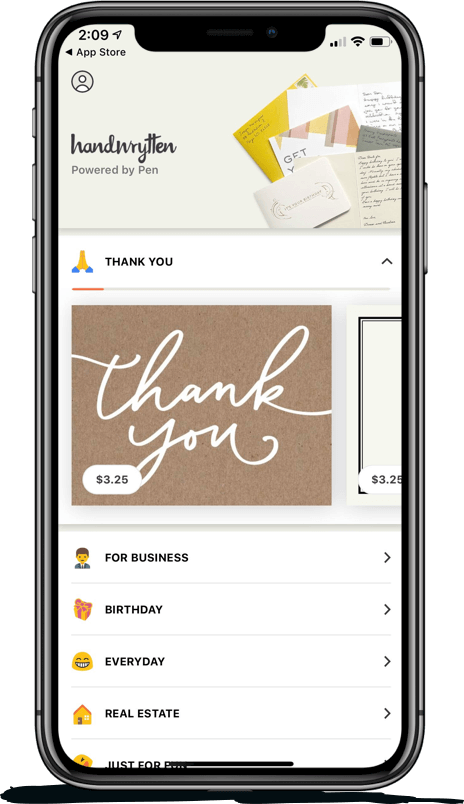
Scale your handwritten outreach, creating positive impressions and long lasting bond.
Sign Up Today!

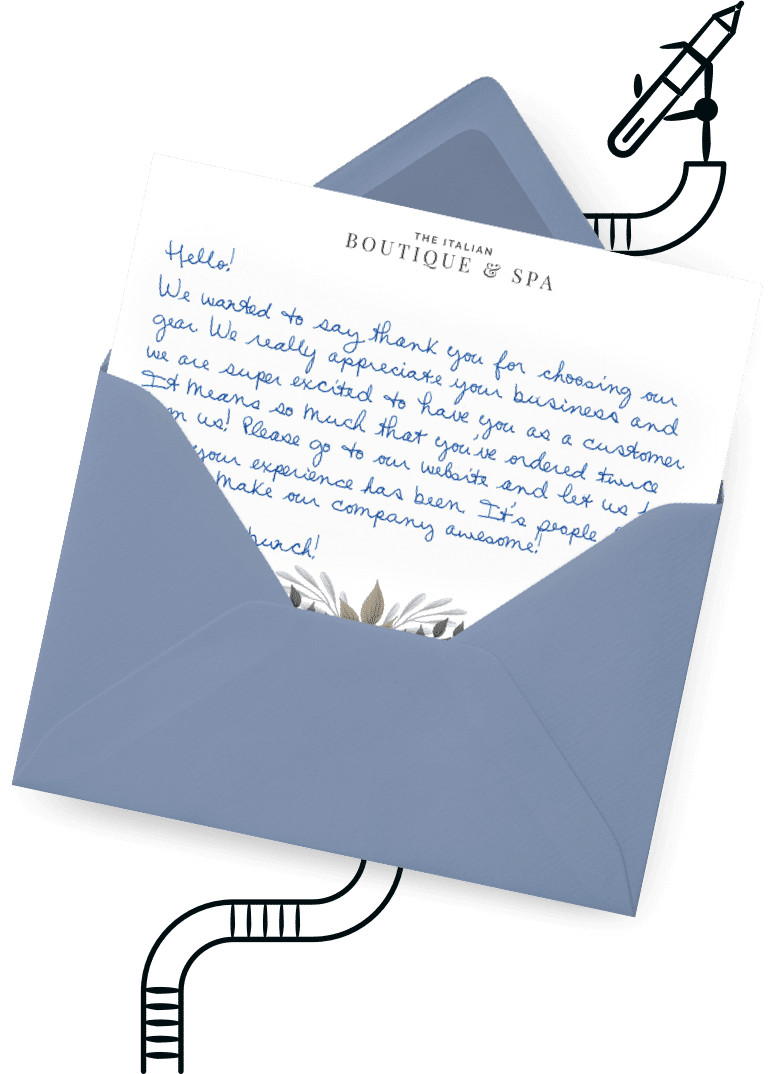

Over 100 designs to choose from or design your own. Our online card customizer makes it simple.
Check Out Our Cards!




Thank you.
