



Direct mail still works. These five mistakes are why it sometimes doesn’t.
Direct mail has outlasted every prediction of its demise. While digital channels have become increasingly crowded and increasingly ignored, physical mail continues to command attention in a way that most marketers underestimate — until they run a campaign that doesn’t perform and can’t figure out why.
The problem is rarely the channel. Direct mail pitfalls are almost always strategic: unclear intent, generic messaging, poor timing, disconnected execution, or a complete absence of measurement. Each one is avoidable. Each one is also more common than it should be.
Here’s a clear-eyed look at the five most damaging direct mail pitfalls — and the smarter approaches that fix them.
The most fundamental of all direct mail pitfalls is also the most common: sending mail because it’s time to send mail, rather than because there’s a specific reason to reach a specific audience with a specific message.
Campaigns built without strategic intent tend to produce unfocused copy, misaligned offers, and results that are impossible to interpret — because no one defined what success looked like before the campaign went out.
Before any direct mail campaign launches, three questions deserve clear answers:
A reactivation campaign looks different from an onboarding campaign. A retention touchpoint looks different from a cold prospecting effort. The strategy determines everything that follows — the message, the timing, the call-to-action, and the follow-up sequence.
The smarter approach: Map every direct mail touchpoint to a specific stage in your customer journey before writing a single word of copy. Handwrytten’s automation tools make it straightforward to align handwritten outreach with lifecycle triggers — so every card serves a purpose within a broader strategy.
Personalization isn’t optional in direct mail anymore — it’s the baseline expectation. Audiences have been conditioned by years of targeted digital advertising to expect relevance, and when a piece of physical mail arrives that could have been sent to anyone, it reads exactly like that.
Generic messaging is one of the direct mail pitfalls that’s easiest to fix and most often ignored. The data to personalize is almost always available. The decision to use it simply hasn’t been made.
Effective personalization in direct mail goes beyond inserting a first name. It includes:
The emotional impact of a message that feels written for you specifically — rather than printed for a list — is significant and measurable.
The smarter approach: Treat each piece of mail as an individual communication, not a broadcast. Handwrytten’s platform scales this naturally — handwritten notes personalized with recipient-specific details create an immediate sense of individual attention that print-heavy mailers can’t replicate.
Even a well-written, well-personalized piece of mail underperforms when it arrives at the wrong moment. Timing is one of the quieter direct mail pitfalls — it rarely gets blamed for poor results, but it’s frequently responsible for them.
Common timing mistakes include sending multiple campaigns too close together, reaching audiences during low-engagement periods, ignoring natural buying cycles or seasonal patterns, and failing to follow up after an initial touchpoint. Each of these erodes the effectiveness of an otherwise solid campaign.
Cadence matters too. Irregular outreach — a burst of activity followed by months of silence — fails to build the familiarity and trust that consistent communication creates over time. Audiences need repeated, well-timed exposure to a brand before they act, and an inconsistent cadence resets that progress.
The smarter approach: Build a communication calendar that accounts for seasonal patterns, audience behavior, and lifecycle stage. Use automation to maintain cadence without relying on manual scheduling — Handwrytten’s scheduling tools let you set recurring touchpoints once and let the system handle delivery consistency.
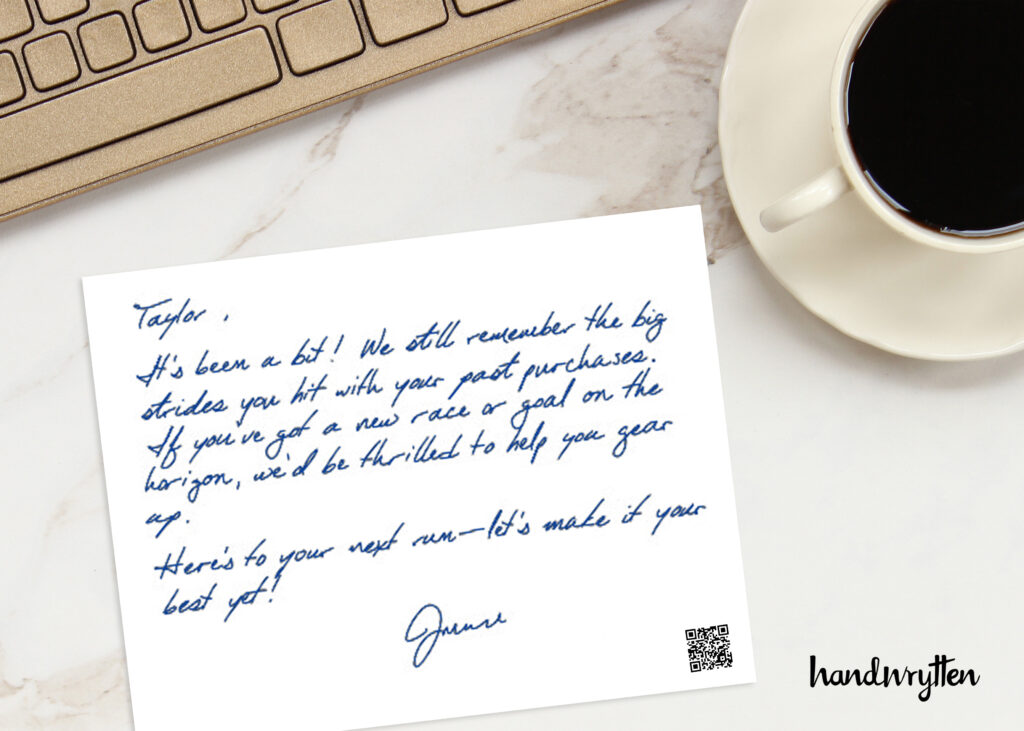
Direct mail rarely performs at its best in isolation. One of the more consequential direct mail pitfalls in modern marketing is treating physical mail as a separate tactic rather than an integrated component of a broader customer journey.
The most effective direct mail campaigns don’t just arrive in a mailbox — they connect to what came before and guide the recipient toward what comes next. That means coordinating with email sequences, paid retargeting, social reinforcement, and sales or customer success follow-ups so the overall experience feels cohesive rather than disconnected.
A handwritten card that arrives the day after a prospect visits your website, or the week after a customer completes their first purchase, or the month after a client renews their contract — each of these lands with far more relevance than the same card sent in isolation from the rest of the relationship.
The smarter approach: Add QR codes or personalized URLs to every direct mail piece to create a measurable bridge between the physical touchpoint and your digital funnel. Coordinate timing with your email and paid channels so the message reinforces itself across platforms rather than competing for attention.
The final direct mail pitfall is the one that perpetuates all the others: running campaigns without a clear measurement framework and therefore never knowing what worked, what didn’t, or why.
Without visibility into results, the same direct mail mistakes get repeated indefinitely. Budget gets allocated based on assumption rather than evidence. Optimization is impossible because there’s no baseline to improve against.
Direct mail is far more measurable than most marketers assume. The tools are straightforward:
Each of these creates a data point. Together, they build a picture of what’s working and what needs to change.
The smarter approach: Define your measurement framework before the campaign launches, not after. Include at least one trackable element — a QR code, a PURL, a unique code — in every piece of mail you send. Use Handwrytten’s integrations with CRM platforms to connect physical outreach to the same analytics pipeline as your digital campaigns.
Avoiding these five direct mail pitfalls doesn’t require a complete overhaul of your approach. It requires intention at each stage of the process:
A clear strategy before the campaign launches. Personalization that reflects what you actually know about the recipient. Timing that aligns with audience behavior and lifecycle stage. Integration with the digital channels your audience already engages with. And measurement that makes every campaign smarter than the last.
Handwrytten supports all of it — automating personalized, pen-and-ink handwritten outreach at scale, integrating with CRM platforms like Salesforce and HubSpot, and enabling the QR codes and trackable links that make physical mail as measurable as any digital channel.
Can Handwrytten support high-volume direct mail campaigns? Yes. Upload a list and Handwrytten generates personalized handwritten notes at scale — each one produced with real ink on real paper, addressed and mailed without any manual effort from your team.
How do I personalize each card at scale? Handwrytten’s platform supports dynamic fields that pull in recipient-specific details — names, milestones, custom messages — as well as personal handwriting fonts and leadership signatures, all applied automatically across your full mailing list.
Can I track results from handwritten direct mail? Absolutely. QR codes, personalized URLs, and unique redemption codes can all be included in Handwrytten cards, giving you the same tracking capability you’d expect from a digital campaign.
How does direct mail connect with my digital marketing channels? The most effective approach is to reference the physical mailer in coordinated email, paid, and sales touchpoints — and to include trackable links in the card itself that guide recipients into your digital funnel. Handwrytten’s CRM integrations make this coordination straightforward.
How do I avoid the most common direct mail pitfalls going forward? Start with strategy, personalize every piece, time your outreach deliberately, integrate with your digital channels, and measure everything. Those five disciplines eliminate the vast majority of direct mail mistakes before they have a chance to affect your results.
Direct mail works when it’s treated like a strategy, not a send. The brands that avoid these direct mail pitfalls — and replace them with intention, personalization, and measurement — are the ones that see the channel perform the way it’s capable of performing.
Start Sending → handwrytten.com


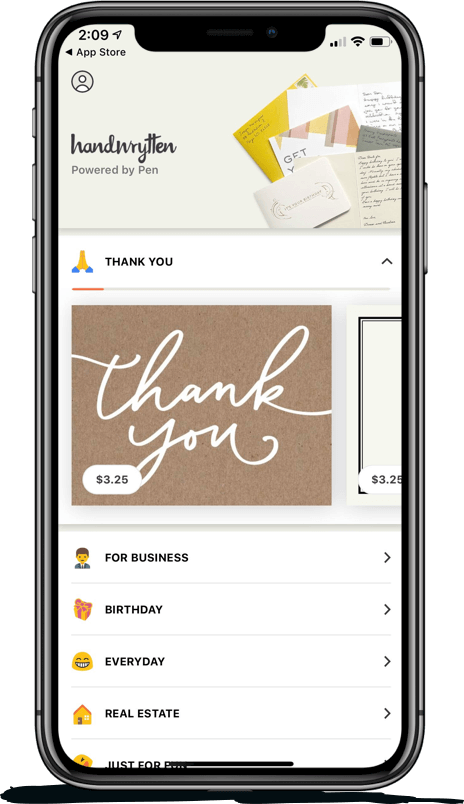
Scale your handwritten outreach, creating positive impressions and long lasting bond.
Sign Up Today!

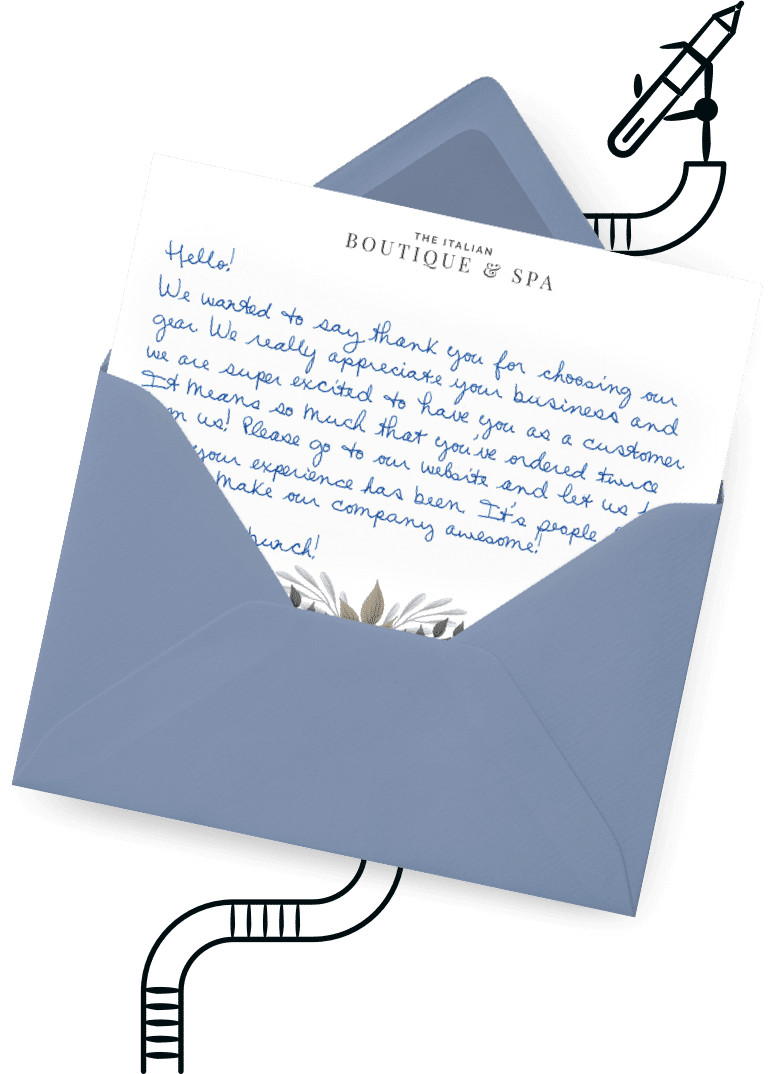

Over 100 designs to choose from or design your own. Our online card customizer makes it simple.
Check Out Our Cards!




Thank you.
