



The wedding day gets all the attention. The thank you card is what people actually keep.
A wedding generates an enormous amount of gratitude — for the people who traveled to be there, the family members who made it possible, the friends who showed up in ways that went far beyond attending a ceremony, and the vendors who turned a vision into something real. Wedding thank you cards are how all of that gratitude finds its way to the people who deserve to feel it.
Done well, a wedding thank you card does more than acknowledge a gift or a presence. It extends the emotional weight of the day into something lasting — a physical, personal reminder that the couple noticed, and that it mattered. Done poorly, or not at all, it leaves a gap that guests and family members genuinely feel, even if they rarely say so.
This guide covers everything couples need to know about wedding thank you cards — who should receive them, what to write, when to send them, and how to manage the process without it becoming overwhelming.
In the weeks after a wedding, life moves fast. The honeymoon, the return to normal routines, the unpacking of gifts — it’s easy for thank you cards to slide down the priority list. But the people who attended your wedding, supported your engagement, and contributed to the day are paying attention to whether they hear from you.
A handwritten wedding thank you card signals something that a text message or a social media post cannot: that you took real time, with real intention, to acknowledge this specific person’s role in one of the most significant days of your life. That signal is felt — and it’s remembered long after the card itself is tucked into a drawer.
With Handwrytten’s robotic pen-and-ink technology, couples can send genuinely handwritten wedding thank you cards at scale — each one produced with real pen on real paper, personalized for the recipient, without spending weeks at a writing desk.
Understanding who deserves a wedding thank you card ensures no meaningful relationship gets overlooked. The answer is broader than most couples initially expect.
Wedding guests. Anyone who attended the wedding, traveled to be there, or sent a gift should receive a personal thank you note. The effort they made to be part of your day deserves explicit acknowledgment.
Close family members. Parents, siblings, and extended family often contribute in ways that go far beyond showing up — emotional support throughout the planning process, logistical help, financial contributions, or simply being the steady presence that made the whole thing feel possible. These cards often carry the most weight and deserve the most personal messages.
The wedding party. Bridesmaids, groomsmen, and others in the wedding party invested significant time, energy, and often money in supporting your day. A personalized thank you that acknowledges their specific role means more than a generic note of appreciation.
Vendors and service providers. Florists, photographers, caterers, planners, venues, officiants, and bridal boutiques all contributed to the success of the event. A handwritten thank you note to vendors is rare enough to be genuinely memorable — and it builds the kind of professional goodwill that leads to enthusiastic referrals.
Those who couldn’t attend but sent gifts. Anyone who made the effort to send a gift despite not being able to be there deserves acknowledgment for both the gesture and the thought behind it.
Wedding thank you cards are the most well-known category — but thoughtful written communication plays a meaningful role at every stage of the wedding journey, not just after the celebration ends.
Engagement announcements. The journey begins with sharing exciting news with the people who matter most. “We’re so excited to share our engagement and begin this next chapter together. We can’t wait to celebrate with you!”
Save-the-dates and invitations. A personal note added to a save-the-date or invitation elevates a logistical piece of mail into something genuinely warm. “We are so looking forward to celebrating with you — it wouldn’t feel complete without you there.”
Bridal showers and pre-wedding events. Acknowledging support before the wedding itself sets a tone of genuine appreciation that carries through the rest of the journey. “Thank you for celebrating this special time with us. Your love and support mean so much as we prepare for the wedding.”
Wedding day touchpoints. Some couples include personal cards for parents, the wedding party, and each other — opened on the morning of the wedding or tucked into bouquets and suit pockets. “Thank you for being part of this moment. We are so grateful for your love today and always.”
Post-wedding thank you cards. This is where wedding thank you cards play their most essential role — acknowledging every person who contributed to the experience and extending the emotional impact of the celebration beyond the event itself.
The most effective wedding thank you cards are simple, specific, and genuine. A message that references something real — the gift received, a moment shared, the specific role someone played — will always land harder than a beautifully written but generic sentiment.
A strong wedding thank you card includes three elements:
A personal reference. Name the gift, mention the moment, acknowledge the specific role. “The beautiful serving bowl you gave us already has a place of honor in our kitchen” is far more meaningful than “thank you for your generous gift.”
A clear expression of gratitude. Say thank you directly and without qualification. Sincerity doesn’t require elaborate language — it requires honesty.
A warm closing. End with something genuine that looks forward to the relationship continuing. “We can’t wait to have you over for dinner soon” or “your support throughout this whole journey has meant more than we can say.”
For a wedding guest who gave a gift: “Thank you so much for celebrating with us and for your incredibly thoughtful gift. Having you there made the day even more special — we’re so grateful for your love and support.”
For a family member who helped throughout the planning: “There’s no way this wedding would have come together without you. Thank you for everything you did — seen and unseen — to make this day what it was. We love you more than we can put into words.”
For a wedding party member: “Thank you for everything you did leading up to and on our wedding day. Having you by our side meant the world to us — we couldn’t have done it without you.”
For a vendor: “Working with you was genuinely one of the highlights of planning our wedding. The [flowers/photos/food] were beyond what we imagined, and we’re so grateful for the care and talent you brought to our day.”
For a guest who couldn’t attend but sent a gift: “We missed having you there, but your thoughtfulness in sending such a beautiful gift meant so much to us. We hope to celebrate with you in person very soon.”
For someone who traveled a significant distance: “The fact that you traveled so far to be with us on our wedding day is something we’ll never forget. Thank you for making that effort — it made the day even more meaningful.”
When to send them. The general guideline is within four to eight weeks of the wedding. Sooner is always better — but a late thank you card is significantly better than none at all. If you’re behind, send them anyway.
Handwrite whenever possible. A printed card with a handwritten signature is acceptable. A fully handwritten note is always preferable. For couples managing large guest lists, Handwrytten makes it possible to send genuinely handwritten cards at scale — each one produced with real pen on real paper — without the weeks of hand-cramping effort that a large wedding guest list would otherwise require.
Personalize every card. The effort to include one specific detail per card — the gift, the travel, the role, the shared moment — is what separates a thank you card that gets kept from one that gets recycled.
Don’t skip vendors. Most couples remember guests. Far fewer remember vendors. A handwritten thank you to your photographer, florist, or planner is rare enough that it genuinely stands out — and builds professional relationships worth having.
Address both partners. Cards should come from both members of the couple, even if one person does most of the writing.
For large weddings, the volume of thank you cards can feel genuinely overwhelming. A few strategies make the process more manageable:
Start a list before the wedding. Keep a running record of gifts received and from whom, so you’re not reconstructing it from memory after the fact.
Break it into sessions. Writing twenty cards at a time is sustainable. Writing two hundred in one sitting isn’t.
Divide and conquer. Each partner can take responsibility for their own family and friend groups, making the total volume feel less daunting.
Use Handwrytten for scale. For couples with large guest lists, Handwrytten’s platform makes it possible to send personalized, genuinely handwritten wedding thank you cards in bulk — each one customized with the recipient’s name and a tailored message — without sacrificing the personal quality that makes the format worth sending in the first place.
When should wedding thank you cards be sent? Within four to eight weeks of the wedding is the standard guideline. For gifts received before the wedding, a note can be sent before the big day. The sooner the better — but a late card is always worth sending.
Do vendors need to receive wedding thank you cards? Yes — and most don’t. A handwritten thank you to a florist, photographer, caterer, or planner is memorable precisely because it’s so rare. It builds goodwill, generates referrals, and takes less than five minutes to write.
What should every wedding thank you card include? A personal reference to the specific gift or contribution, a sincere expression of gratitude, and a warm closing that reflects the relationship. Keep it genuine over elaborate.
Can wedding thank you cards be automated without losing their personal feel? Yes. Handwrytten’s platform produces genuinely handwritten cards — real pen on real paper — personalized for each recipient, at any volume. The automation handles the logistics. The handwriting handles the impression.
Is it too late to send a wedding thank you card? Almost never. A late thank you is far better than no thank you — and most people will appreciate the gesture regardless of timing.
The wedding day is the celebration. The thank you card is the relationship. Done thoughtfully — with real words, real handwriting, and real intention — wedding thank you cards become part of the story of the day itself, preserving the gratitude and connection that made it worth celebrating in the first place.
Start Sending → handwrytten.com


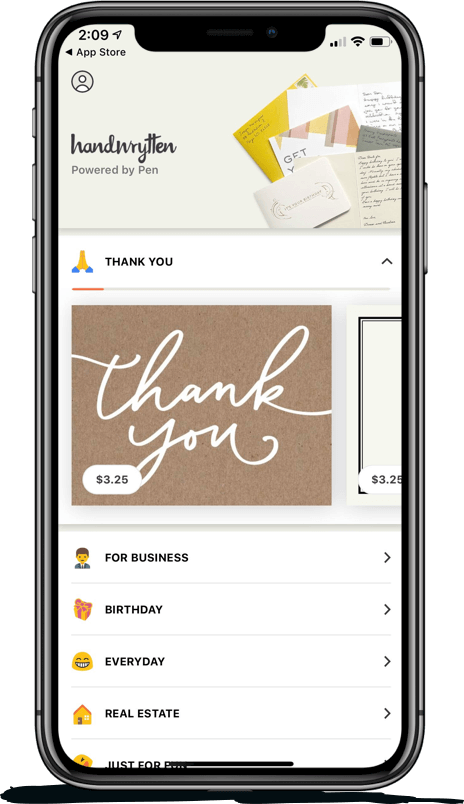
Scale your handwritten outreach, creating positive impressions and long lasting bond.
Sign Up Today!

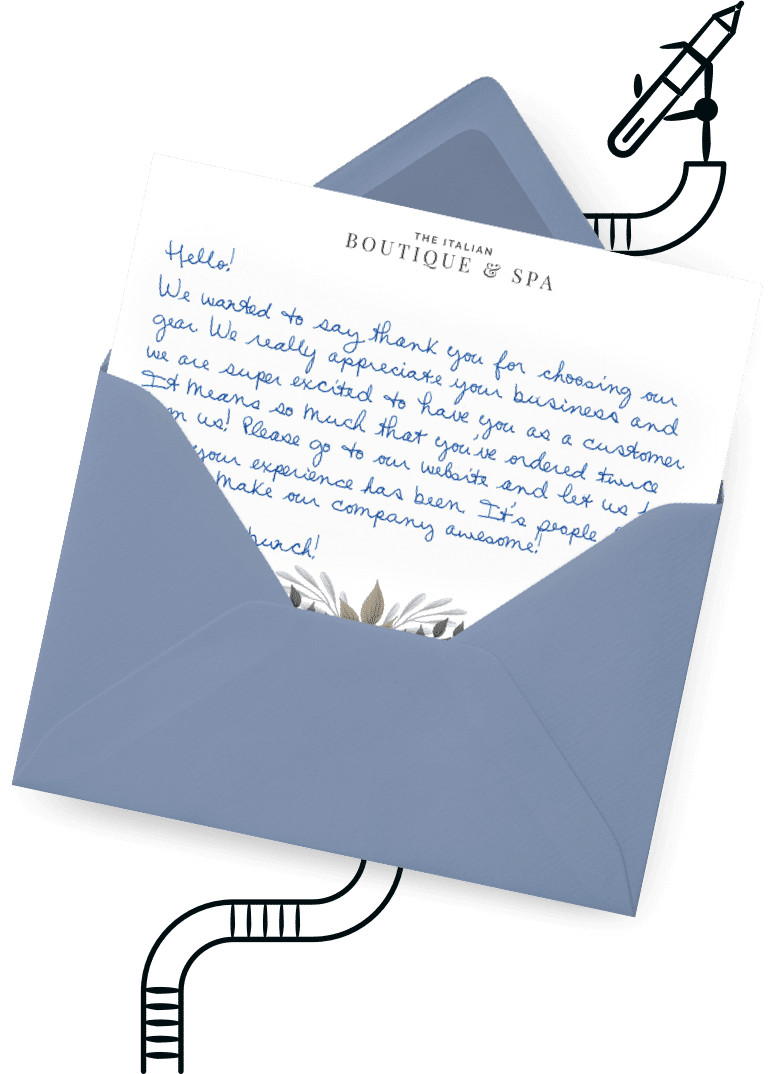

Over 100 designs to choose from or design your own. Our online card customizer makes it simple.
Check Out Our Cards!




Thank you.
