


While your competitors go quiet, the smartest sales teams get personal.
Summer slowdown sales strategy is one of the most underutilized opportunities in B2B sales — and one of the most misunderstood. The assumption that summer means buyers have disengaged is only partially true. Decision-makers are still active, still evaluating vendors, and still preparing for Q3 and Q4 planning cycles. What’s different isn’t their availability. It’s their attention.
During the summer months, inboxes are less crowded, meeting calendars are lighter, and the constant urgency of Q1 and Q2 has eased. That creates something rare in B2B sales: space. Space for thoughtful outreach to be noticed. Space for a conversation that isn’t competing with ten other priorities. Space for a message that feels timely and relevant rather than pressured and transactional.
The businesses that build a deliberate summer slowdown sales strategy around that space don’t just maintain their pipeline through the slower months — they enter Q3 with warmer leads, better relationships, and a meaningful head start on competitors who went quiet and assumed no one was paying attention.
The most common mistake sales teams make during summer is continuing to operate as if nothing has changed — same cadence emails, same follow-up sequences, same promotional pushes. The problem isn’t the frequency. It’s the sameness.
Inboxes may be less crowded in summer, but generic outreach becomes more noticeable, not less, when there’s less noise around it. A templated follow-up that would have blended into a busy inbox in March stands out in July — for the wrong reasons. Messages that lack personalization or genuine relevance feel more out of place, not less, when the communication environment slows down.
Summer isn’t a dead zone. It’s a timing reset — and the sales teams that recognize that are the ones that use it well.
During summer, digital fatigue is lower in volume but higher in sensitivity. People are more selective about what they engage with, which means the bar for what earns attention goes up even as the competition for that attention goes down.
A handwritten note creates a contrast effect that’s particularly powerful in this environment. It’s physical, unexpected, and deliberate — three qualities that are rare in sales outreach at any time of year and almost nonexistent during summer. Handwrytten’s robotic pen-and-ink technology makes it possible to deliver that effect at scale, producing genuinely handwritten cards with real pen on real paper, personalized for each recipient, without any manual effort from your team.
A simple message is often enough to reopen a conversation that’s gone quiet:
“Just wanted to reconnect and see how things are progressing on your end. Wishing you a great summer.”
No urgency. No ask. Just presence — which is exactly what a summer slowdown sales strategy is designed to create.
The summer slowdown itself is your reason to reach out. Reference the timing naturally — it’s a genuine, low-pressure explanation for reconnecting that doesn’t require manufacturing urgency that doesn’t exist.
A message with no immediate call to action consistently outperforms a sales-driven follow-up during slower periods. The goal is recognition and presence, not conversion — and leads that feel that distinction respond to it.
Pick up where discussions left off earlier in the year. Summer gives buyers the space to revisit decisions that felt premature in Q1 or Q2 without the same pressure that made them hit pause in the first place.
Different messaging works for leads that have been dormant for 30, 90, or 180+ days. Longer gaps require softer re-entry — acknowledging the time that’s passed rather than ignoring it. A summer slowdown sales strategy that segments by inactivity length will always outperform a one-size-fits-all approach.
Frame outreach as a seasonal touchpoint rather than a sales push. That positioning reduces resistance and makes the message feel like a genuine check-in from someone who values the relationship — because it is.
Instead of leading with what you have to offer, acknowledge past engagement — a proposal you submitted, a meeting you had, interest they expressed. Gratitude before ask is always more effective, and in summer it lands even better.
Use email to create an initial signal, then reinforce it with a handwritten card for higher recall and stronger differentiation. The digital touch creates awareness; the physical touch creates the impression that stays.
These examples work precisely because they remove urgency while maintaining presence — the core of any effective summer slowdown sales strategy. Use them as starting points and personalize wherever you can.
For leads that went quiet after a proposal or demo:
For leads that attended an event or webinar but never converted:
For long-dormant leads with no recent contact:
For leads that cited timing as the reason for not moving forward:
For warm leads you simply want to keep warm:
The common thread across all of these is the same: no pressure, no pitch, no manufactured urgency. Just genuine presence at a moment when most of your competitors have gone quiet — which is exactly when it matters most.
The challenge with summer outreach isn’t intention — most sales teams know they should be reaching out more personally. The challenge is execution at scale without losing the authenticity that makes personal outreach effective in the first place.
Handwrytten solves that. Automated handwritten lead re-engagement campaigns, personalized messaging pulled from CRM data, scheduled seasonal outreach sequences, gift card and appreciation combinations, and consistent delivery across large lead databases — all of it runs without manual effort from your team while producing cards that feel as individual as if someone wrote each one by hand.
That’s the modern advantage the best summer slowdown sales strategies are built on: technology working behind the scenes to recreate the human touch at scale. CRM integrations with platforms like Salesforce, HubSpot, and Zapier mean your summer re-engagement campaign can be built once and run automatically — so no lead goes untouched during the window when thoughtful outreach matters most.
Most competitors reduce activity during summer. Some go almost entirely quiet, operating under the assumption that buyers aren’t paying attention and that resources are better saved for Q3 and Q4 pushes. That assumption creates one of the most exploitable visibility gaps in the B2B sales calendar.
A well-executed summer slowdown sales strategy doesn’t try to out-message the competition. It simply shows up differently — and more memorably — during the window when showing up at all is already an advantage.
The businesses that treat summer as a strategic opportunity rather than a holding pattern consistently see several downstream effects that their competitors don’t:
Higher response rates from re-engaged leads. When a lead has been quiet for months and suddenly receives a thoughtful, personal handwritten note with no sales pressure attached, the response rate is dramatically higher than it would be from a templated email follow-up — precisely because the format and the timing are both unexpected. The combination of a physical card arriving during a quieter period is genuinely disarming in a way that digital outreach during a busy season simply cannot replicate.
Better quality conversations. Outreach that arrives without pressure tends to generate conversations that begin without defensiveness. A lead who responds to a summer check-in note isn’t responding to a pitch — they’re responding to a relationship. That distinction changes the entire dynamic of the conversation that follows, making it easier to move naturally into a genuine evaluation rather than a sales-resistance situation.
Faster re-engagement cycles. Leads that feel like they were remembered during a period when no one was expected to reach out tend to re-engage faster than those who were simply caught by the next automated follow-up sequence. The handwritten note creates goodwill that makes subsequent outreach more welcome and more effective across every channel.
Stronger Q3 and Q4 pipeline positioning. The leads you warm up in July and August are the ones who arrive in September already familiar with your brand, already positively disposed toward your team, and already partway through a relationship that your competitors are only just beginning to try to start. That head start compounds quickly as the back half of the year accelerates.
Lower cost per engagement. Summer outreach — particularly handwritten touchpoints — tends to require less volume to generate the same number of meaningful conversations as high-volume digital campaigns during peak periods. Fewer cards, better targeting, and a communication environment with less competition means every dollar of outreach budget works harder.
The strategic advantage of summer isn’t that buyers are easier to sell to — it’s that the playing field is less crowded, the communication environment rewards quality over quantity, and the businesses willing to show up thoughtfully during a period most teams treat as downtime are the ones that set themselves up to win when the real decision-making season begins.
Summer is not a gap to survive. It’s a window to own — and a summer slowdown sales strategy built around personal, intentional, handwritten outreach is one of the most reliable ways to own it.
What is a summer slowdown sales strategy? It’s a B2B approach that uses the quieter summer period to re-engage leads with more personalized, intentional outreach — trading volume-based follow-up sequences for fewer, more meaningful touchpoints that earn attention rather than compete for it.
Why is summer actually effective for re-engaging leads? Because decision-makers are still active but receiving fewer messages, which makes thoughtful outreach significantly more noticeable. The lower noise environment rewards quality over quantity in a way that busier periods don’t.
Should sales teams reduce their outreach volume during summer? Yes — but replace it with higher-quality, more personalized communication rather than simply going quiet. A summer slowdown sales strategy isn’t about doing less. It’s about doing it differently.
Why do handwritten notes specifically work better during summer sales? They create a contrast effect in a communication environment that’s already less crowded — arriving in a format that’s physical, personal, and completely unexpected from a sales team. That combination earns attention that a digital message in the same period wouldn’t.
How can sales teams scale summer outreach without losing the personal quality? With Handwrytten. The platform automates genuinely handwritten outreach — real pen on real paper, personalized for each recipient — so sales teams can reach their full lead database during summer without the manual effort that would otherwise make it impossible.
The summer slowdown isn’t what most sales teams think it is. It’s not a gap to survive — it’s a window to own. The brands that build a real summer slowdown sales strategy around personal, intentional outreach don’t just maintain momentum through the slower months. They build the kind of pipeline that makes Q3 look easy.
Start Sending → handwrytten.com


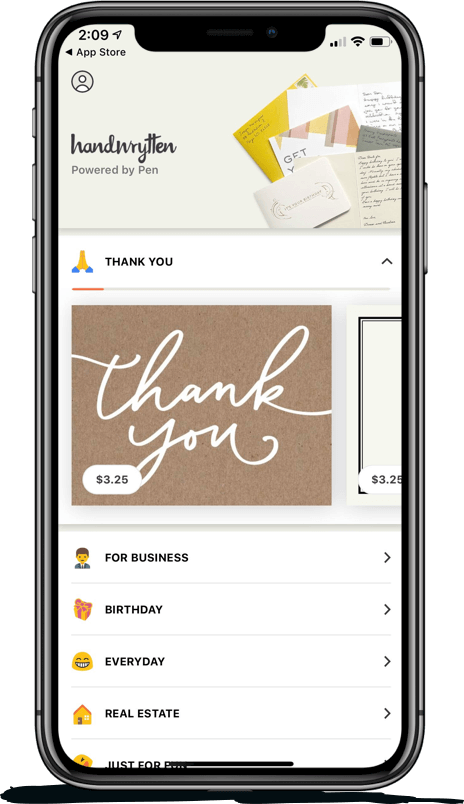
Scale your handwritten outreach, creating positive impressions and long lasting bond.
Sign Up Today!

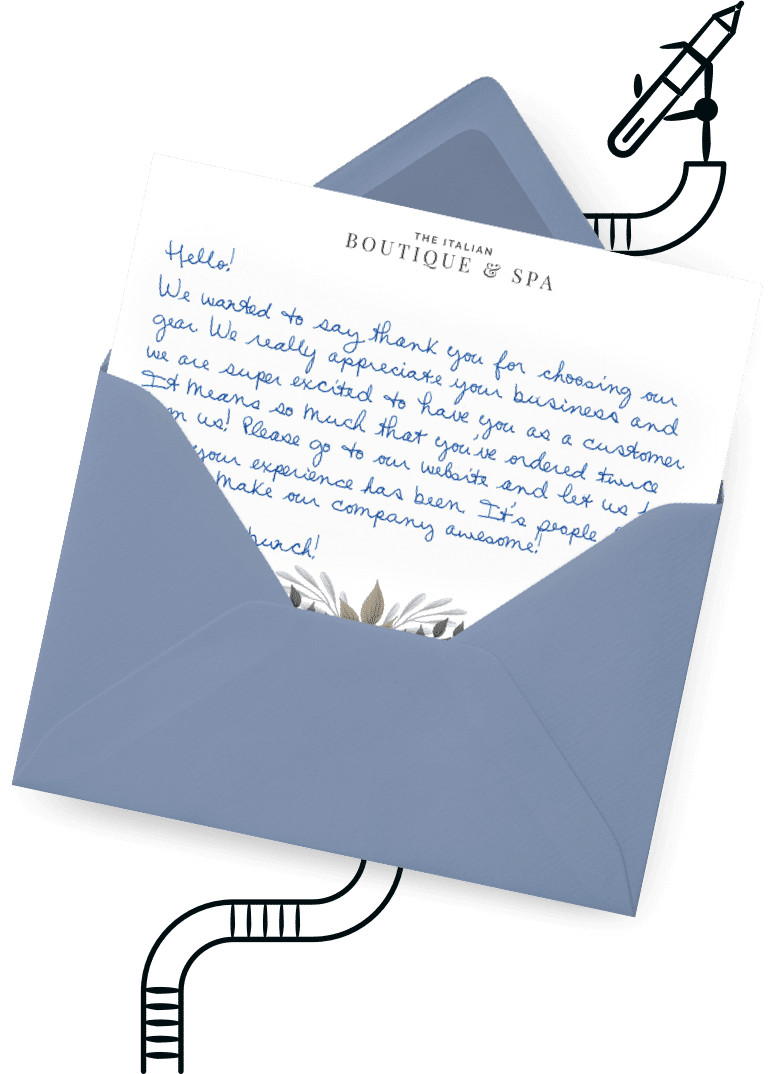

Over 100 designs to choose from or design your own. Our online card customizer makes it simple.
Check Out Our Cards!




Thank you.
