



Knowing what can affect your delivery — and when to plan around it — makes all the difference.
For businesses and individuals sending handwritten cards, gifts, and direct mail campaigns, understanding USPS shipping timelines isn’t a logistics detail — it’s a relationship management tool. A card that arrives after a birthday, a thank-you note that lands a week after the moment it was meant to acknowledge, or a holiday campaign that misses its window by a few days can undermine the very impression it was designed to create.
USPS remains one of the most widely used and cost-effective delivery services in the country — reliable for the vast majority of shipments, the vast majority of the time. But certain conditions can cause delays, and knowing what those conditions are allows you to plan around them, time your campaigns appropriately, and choose the right shipping method for time-sensitive outreach.
Here’s what you need to know.
USPS offers several service levels with different estimated delivery windows:
First-Class Mail — typically delivers in one to five business days for letters and cards weighing under 3.5 ounces. This is the standard delivery method for most handwritten cards and direct mail pieces.
USPS Marketing Mail — generally delivers in three to ten business days and is commonly used for bulk campaigns. Delivery windows are wider and less guaranteed than First-Class.
Priority Mail — typically delivers in one to three business days with more reliable tracking and delivery confirmation.
Priority Mail Express — the fastest USPS option, guaranteeing overnight to two-day delivery to most locations, with a money-back guarantee.
These are estimates, not guarantees — and several factors can cause actual delivery to fall outside the expected window.
One of the most common and least visible causes of USPS delays is congestion or operational issues at specific distribution hubs or local post offices. When a hub experiences an equipment malfunction, temporary understaffing, or an unusual surge in volume, packages can stall in the system until the issue is resolved.
These localized bottlenecks are difficult to predict and often don’t generate the kind of visible news coverage that other delay causes do — which means they can catch senders off guard. If a package appears to stop moving in tracking updates, a hub bottleneck is frequently the explanation.
Severe weather is one of the most significant disruptors of USPS delivery timelines. Snowstorms, hurricanes, flooding, ice storms, and extreme heat can all affect carrier routes, transportation networks, and facility operations across entire regions simultaneously.
When weather conditions create safety concerns, USPS prioritizes the safety of carriers over delivery speed — which means packages may be held at a hub, rerouted, or delayed until conditions improve. Severe weather events can add days or in extreme cases weeks to expected delivery timelines, particularly for packages moving through affected regions.
USPS staffing levels fluctuate with economic conditions, seasonal demand, illness, and turnover — and periods of staffing shortage directly affect how quickly packages move through the system. When facilities are operating below optimal staffing levels, processing slows and delivery windows expand.
This is particularly pronounced during peak seasons, when the volume of mail increases significantly at the same time that the workforce is under the greatest strain. Planning ahead during these periods — rather than assuming standard delivery windows will hold — is the most reliable way to ensure time-sensitive outreach arrives when it should.
The holiday season — from Thanksgiving through New Year’s — represents the highest volume period in the USPS calendar. The sheer quantity of packages, cards, and direct mail pieces moving through the system during this window creates systemic slowdowns that affect delivery timelines across all service levels.
USPS publishes recommended shipping cut-off dates each year for major holidays. For Christmas delivery, standard packages typically need to be shipped by mid-December. Missing these windows means standard delivery can’t be guaranteed — and even expedited options face more pressure than usual.
Key dates to plan around in the USPS holiday schedule:
For any campaign or outreach tied to these dates, building in at least one to two additional weeks of lead time is the safest approach.
One of the most preventable causes of USPS delays — and one that gets less attention than weather or staffing — is incomplete or inaccurate address information. Packages and cards with missing apartment numbers, outdated addresses, or illegible handwriting can be delayed, returned, or lost entirely.
For businesses running large-scale direct mail campaigns, maintaining a clean, current, and complete address list is one of the most direct investments in delivery reliability. Handwrytten’s Request an Address feature allows you to collect updated mailing addresses directly from contacts before a campaign launches — eliminating the most avoidable source of delivery failure before it happens.
The holiday season is when USPS delays are most likely to affect time-sensitive outreach — and when the stakes of a late arrival are highest. A few planning principles that help:
Order and ship as early as possible. The earlier a piece enters the system, the more buffer it has to navigate any delays without missing its window. For holiday campaigns, aim to have cards mailing by early December at the latest — and earlier for recipients in rural areas or regions historically prone to weather disruption.
Respect USPS recommended cut-off dates. These are published annually and represent USPS’s own assessment of when packages need to enter the system to arrive before major holidays. Treating these as firm deadlines rather than rough guidelines is the safest approach.
Use expedited shipping for time-critical pieces. If a card or package absolutely needs to arrive by a specific date, standard First-Class isn’t the right service level during peak season. Priority Mail or Priority Mail Express provides more reliable delivery windows when timing is non-negotiable.
Account for the full send-to-delivery window. At Handwrytten, cards are typically produced and mailed within one to two business days of your order. Add that production window to the expected delivery window when planning campaign timing — especially during peak periods when both production and delivery may take longer than standard.
For shipments where delivery reliability is the top priority — time-sensitive client gifts, urgent follow-up cards, or outreach where a late arrival would undermine the gesture — Handwrytten offers an expedited UPS shipping option at checkout.
UPS is particularly well-suited for high-stakes, time-sensitive deliveries during periods when USPS is under peak volume pressure. Key advantages include:
Robust real-time tracking. UPS provides detailed tracking updates that allow you to monitor your shipment’s progress and confirm delivery — more granular visibility than standard USPS First-Class tracking.
More reliable delivery windows during peak periods. When USPS is managing its highest seasonal volume, UPS typically maintains more consistent delivery performance — making it the better choice when a specific arrival date matters.
Money-back guarantees on express options. For the most time-critical shipments, UPS express services offer delivery guarantees that standard USPS services do not.
If your outreach is tied to a specific date — a client’s birthday, a campaign launch, a post-event follow-up window — the expedited UPS option at Handwrytten checkout removes the uncertainty from the delivery timeline.
Regardless of the shipping method or season, a few proactive steps reduce the likelihood of delay and improve your ability to respond when one occurs:
Order early. The most reliable protection against delivery delays is lead time. If a card or campaign needs to arrive by a specific date, working backward from that date — and adding buffer for both production and potential delivery delays — is the most reliable planning approach.
Keep your address list current. Outdated or incomplete addresses are one of the most common and most preventable causes of delivery failure. Review your mailing list before every major campaign and use Handwrytten’s Request an Address feature to fill any gaps.
Use tracking proactively. Both USPS and UPS provide tracking tools that let you monitor shipments in real time. Checking tracking updates early allows you to identify potential delays before they become problems — and to reach out to recipients if a time-sensitive piece is running behind.
Contact Handwrytten if you experience issues. If a shipment appears significantly delayed or tracking goes silent, Handwrytten’s customer service team is available to help investigate and advise on next steps. Shipping issues that can’t be resolved quickly may warrant a resend — and our team can help assess whether that’s the right course of action.
How long does USPS First-Class Mail typically take to deliver? Most First-Class Mail delivers within one to five business days, though this estimate can be affected by hub congestion, weather, staffing, and peak season volume. During the holiday season especially, building in additional lead time is advisable.
When should I ship holiday cards to ensure on-time delivery? For Christmas delivery, USPS recommends shipping standard packages by mid-December. For the safest outcome, aim to have holiday cards mailing by early December — and use Priority Mail or the expedited UPS option for anything where timing is critical.
What should I do if my package appears stuck in tracking? A package that stops moving in tracking updates is often held at a distribution hub due to congestion, weather, or a processing issue. Give it 24 to 48 hours before escalating — many stalled shipments resolve without intervention. If the delay continues, contact Handwrytten’s customer service team for assistance.
When is the expedited UPS shipping option worth using? Anytime delivery timing is non-negotiable. For client gifts, time-sensitive campaigns, or outreach tied to a specific date, UPS provides more reliable delivery windows and more detailed tracking than standard USPS First-Class — especially during peak periods.
Does Handwrytten ship internationally? Yes. Handwrytten supports international delivery. International shipping timelines vary significantly by destination country — allow additional lead time for international orders, particularly during peak seasons.
Understanding USPS shipping timelines and the factors that affect them is one of the most practical investments a business can make in the effectiveness of its outreach. A campaign that’s beautifully written and thoughtfully designed only produces the intended impression when it actually arrives — at the right moment, for the right person, with the timing intact.
Plan ahead, maintain clean address data, use the right shipping method for the stakes involved, and give your outreach the lead time it needs to land when it should.
Start Sending → handwrytten.com
Editor’s note: This article was revised in May 2026


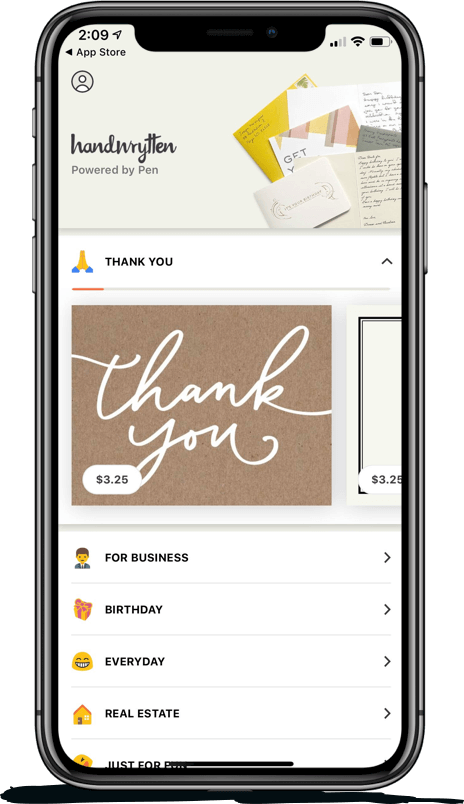
Scale your handwritten outreach, creating positive impressions and long lasting bond.
Sign Up Today!



Over 100 designs to choose from or design your own. Our online card customizer makes it simple.
Check Out Our Cards!




Thank you.
