



The teams that feel genuinely appreciated don’t just perform better. They stay.
Workplace gratitude is one of the most powerful and most underutilized tools in a leader’s arsenal — and the holiday season is one of the best windows of the year to deploy it deliberately and meaningfully. As the year winds down, employees are naturally reflective — taking stock of what they’ve contributed, whether their work has been noticed, and whether the organization they’ve given their time and energy to actually values them as individuals rather than as headcount.
The leaders and organizations that answer that question clearly — with genuine, personal expressions of appreciation that go beyond a generic holiday email — build the kind of team loyalty that sustains performance through the difficult quarters, reduces the turnover that quietly costs organizations more than they typically account for, and creates a workplace culture that attracts and retains the people worth keeping.
Workplace gratitude expressed through handwritten notes — personal, physical, and impossible to mistake for an automated mass communication — is one of the most impactful formats available for making that answer clear. This guide covers the most effective ways to express employee appreciation this holiday season, with the message examples, timing guidance, and practical framework to make it systematic rather than sporadic.
Most leaders believe they express appreciation more frequently than their teams experience receiving it. This gap — between the appreciation that leaders feel they’re communicating and the appreciation employees actually feel — is one of the most consistent and consequential findings in employee engagement research.
The gap exists because most workplace gratitude is generic, infrequent, or delivered in formats that don’t carry emotional weight. A company-wide email thanking everyone for a strong quarter is appreciated — and processed as institutional communication rather than personal acknowledgment. A shoutout in an all-hands meeting is meaningful in the moment — and forgotten by Friday. A holiday party communicates that the organization values its people — and provides no individual with evidence that their specific contribution was noticed.
Handwritten employee appreciation notes close that gap. They arrive as physical objects — held in someone’s hands, read carefully, often kept — that communicate something no digital message or group acknowledgment can: that a specific person in this organization took specific time to acknowledge this specific individual’s specific contribution. That signal lands differently. It’s remembered differently. And it produces a different quality of loyalty and engagement than any group gesture can generate.
The holiday season is the moment when workplace gratitude lands with the greatest emotional resonance — when employees are most reflective about the year they’ve given to the organization and most attuned to whether that contribution was genuinely valued.

The most direct and most impactful expression of workplace gratitude available is a handwritten note from a leader to an individual team member — acknowledging their specific contributions, expressing genuine appreciation for their effort, and wishing them a meaningful holiday season.
The key word is specific. A note that references something real — a particular project, a particular quality, a particular moment of leadership or dedication — communicates that someone was paying attention. That specificity is what separates a workplace gratitude gesture that genuinely moves people from one that feels like a year-end checkbox.
Sample messages:
“Dear [Name] — as the year closes, I wanted to take a moment to acknowledge what you brought to [specific project or initiative]. Your [specific quality — dedication, creativity, leadership] made a real difference, and I’m genuinely grateful for everything you contribute. Wishing you a wonderful holiday season.”
“[Name] — I don’t say this enough, but your work this year has been exceptional. The way you handled [specific situation or challenge] showed exactly the kind of character and commitment that makes this team what it is. Thank you — and happy holidays.”
“Dear [Name] — your positive energy and consistent dedication have made this team stronger in ways that don’t always show up in reports but are felt every day. I’m grateful for you. Wishing you and your family a warm and restful holiday season.”
Pro tip: Write the note from the employee’s direct manager or immediate supervisor wherever possible — proximity matters in workplace gratitude. A note from a CEO is meaningful; a note from the person who works alongside the employee every day is more meaningful still.
The holiday season is a natural catalyst for employee appreciation — but the most effective workplace gratitude programs don’t begin and end in December. Organizations that use the holiday season as a foundation for year-round gratitude habits — where handwritten acknowledgment of contributions, milestones, and effort becomes a consistent cultural practice rather than a seasonal gesture — build fundamentally different workplaces than those that limit appreciation to the year-end window.
Use this holiday season to establish or reinforce the habit. Encourage managers at every level to send handwritten notes not just during the holidays but at the moments throughout the year when individual contribution deserves personal acknowledgment: a project completion, a difficult situation navigated well, a milestone reached, a period of sustained high performance.
Sample messages:
“[Name] — I’m so grateful for the consistent positivity and dedication you bring to this team every day. Your commitment doesn’t go unnoticed, even when it doesn’t get said out loud. Thank you — and happy holidays.”
“Dear [Name] — your work ethic and drive are genuinely inspiring to everyone around you. This holiday season felt like the right moment to make sure you know that. Thank you for everything you contribute.”
Pro tip: Handwrytten’s CRM and HRIS integrations allow workplace gratitude touchpoints — work anniversaries, milestone completions, performance acknowledgments — to be triggered automatically throughout the year, so the habit of personal recognition doesn’t depend on anyone remembering to initiate it.

Holiday events — team lunches, end-of-year celebrations, appreciation gatherings — are valuable expressions of collective workplace gratitude. They signal that the organization values its people enough to invest in shared celebration, and they create moments of connection that distributed or high-volume teams can’t generate through daily work interactions alone.
The most effective holiday events pair the collective celebration with something individual — a handwritten note for each team member that arrives before or alongside the event invitation, ensuring that every person walking into the room already knows that their specific contribution has been personally acknowledged.
That combination — collective celebration plus individual recognition — produces a quality of employee appreciation that neither element generates on its own.
Sample messages:
“Dear [Name] — as we get ready to celebrate as a team, I wanted to reach out personally to say thank you for everything you’ve brought to this organization this year. Your contributions are a big part of what we’re celebrating. Looking forward to marking the occasion together.”
“[Name] — we’re so grateful for everything you’ve done this year. Please join us at our holiday celebration as a small expression of appreciation for everything you give to this team. Looking forward to it.”
The most resonant employee appreciation holiday messages acknowledge the person behind the performance — not just the output. Employees who feel that their organization sees them as whole people rather than productivity units develop a different quality of loyalty than those who feel appreciated only for their measurable contributions.
Handwritten notes that acknowledge qualities — character, attitude, influence on team culture, the way someone shows up for colleagues — rather than only results communicate a depth of workplace gratitude that performance-focused recognition rarely achieves.
Sample messages:
“[Name] — I wanted to take a moment to acknowledge not just what you do but how you do it. The care, thoughtfulness, and genuine investment you bring to your work and to the people around you elevates everything. Thank you for that. Happy holidays.”
“Dear [Name] — it was a pleasure to spend time with you at [recent event or meeting]. Beyond everything you contribute professionally, the way you show up for this team — with generosity and genuine engagement — makes a difference that numbers don’t capture. Thank you.”
“[Name] — your dedication and passion are an inspiration to everyone on this team. This holiday season felt like the right moment to make sure you know that, in case the day-to-day doesn’t always give us the chance to say it. Happy holidays.”
One of the most underleveraged workplace gratitude touchpoints in the holiday calendar is Thanksgiving. Arriving before the December communications surge, a Thanksgiving card occupies an almost entirely uncontested space in an employee’s experience — delivering personal acknowledgment at a moment when most organizations haven’t yet begun their year-end recognition efforts.
A handwritten Thanksgiving card from a leader to a team member — warm, genuine, and arriving before the holiday noise peaks — creates a first impression of the season that colors everything that follows.
Sample messages:
“Dear [Name] — this Thanksgiving, I’m thinking about the people who make this organization what it is — and you’re certainly one of them. Thank you for your dedication and your positive spirit. Wishing you and yours a warm and joyful holiday.”
“[Name] — as Thanksgiving approaches, I wanted to reach out to say how grateful I am for everything you bring to this team. Your hard work and commitment make a real difference. Happy Thanksgiving.”
“Dear [Name] — I’m grateful for all that you do for this organization. This Thanksgiving felt like the right moment to say so directly. Thank you — and wishing you a wonderful holiday with the people you love.”
The most common barrier to consistent, personal workplace gratitude isn’t intention — it’s execution. Leaders who genuinely want to send handwritten notes to every team member face a practical reality: writing individual cards for a team of fifty, a hundred, or several hundred employees isn’t feasible as a manual process. And the moment employee appreciation holiday outreach depends on leaders finding the time to write individual notes, it becomes inconsistent — some employees receive something personal, others receive nothing, and the inequality of the gesture creates the opposite of the culture it was designed to build.
Handwrytten solves that problem. Using robotic pen-and-ink technology that produces genuinely handwritten notes — real pen, real paper, real ink — Handwrytten makes it possible to send personalized employee appreciation holiday cards to every team member simultaneously, each one written in authentic handwriting and personalized with the recipient’s name and a message tailored to their specific contribution and role.
Custom handwriting fonts built from a leader’s actual handwriting mean every card looks like it came directly from the person it’s signed by — because the writing style is genuinely theirs. HRIS and CRM integrations allow holiday workplace gratitude campaigns to be triggered automatically from employee records, with personalization fields pulling in names, tenures, and any custom details logged against each employee. And the entire campaign — from card selection through writing, addressing, and mailing — is handled by Handwrytten, leaving leaders free to focus on the relationships rather than the logistics.
How specific should workplace gratitude messages be? As specific as possible — one genuine, concrete detail about the employee’s contribution is worth more than three paragraphs of warm but generic appreciation. Before writing or configuring each note, take a moment to identify one specific thing about this employee’s year — a project, a quality, a moment of leadership — and let that detail anchor the message. Specific workplace gratitude is remembered. Generic appreciation is appreciated and forgotten.
Should holiday employee appreciation come from senior leadership or direct managers? Both — and the most effective programs layer them. A note from the CEO or senior leadership communicates organizational-level recognition. A note from a direct manager communicates the day-to-day acknowledgment that employees care most about. Where resources allow, both is significantly more impactful than either alone.
Is it appropriate to send handwritten notes to remote employees for the holidays? Not just appropriate — especially important. Remote employees are the most likely to feel disconnected from the organizational culture that in-person teams experience naturally. A handwritten employee appreciation holiday card arriving at a remote team member’s home is one of the most effective gestures available for bridging that distance and communicating genuine inclusion.
When should holiday workplace gratitude cards be sent? For Thanksgiving acknowledgments, aim for the week before the holiday. For year-end holiday cards, mid-December is the optimal window — early enough to arrive before the holiday, late enough to feel seasonal rather than premature. Handwrytten’s production and delivery timelines should be factored into send date planning.
Can workplace gratitude campaigns be automated for large organizations? Yes. Handwrytten’s platform allows employee appreciation holiday campaigns to be configured once and executed automatically — every employee receiving a personalized handwritten note on schedule, without any manual effort from HR or leadership beyond the initial setup.
Workplace gratitude expressed at the right moment, in the right format, with the right level of genuine personal specificity doesn’t just make employees feel good for a day. It builds the emotional foundation of the kind of team loyalty that sustains organizations through difficult periods, reduces the voluntary turnover that quietly undermines growth, and creates a culture where people feel worth keeping — and choose to stay.
The holiday season is the moment when that foundation is most readily built. A handwritten note, arriving with genuine personal acknowledgment in the final weeks of a year an employee has given to your organization, is one of the simplest and most powerful investments a leader can make.
Start Sending → handwrytten.com
Editor’s note: This article was revised in June 2026


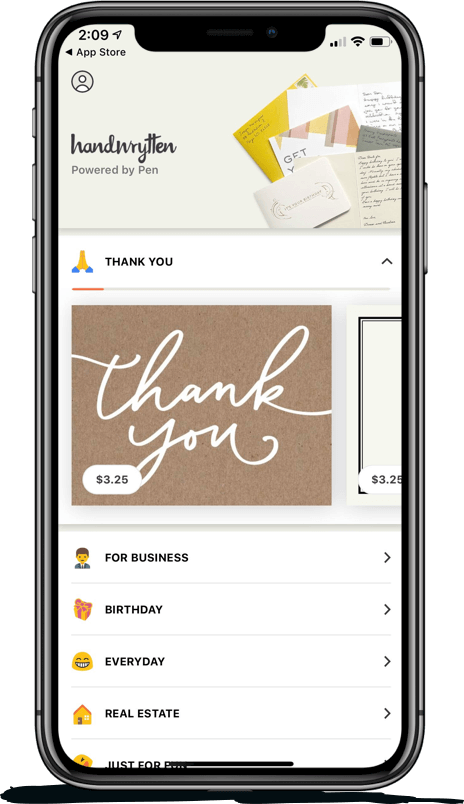
Scale your handwritten outreach, creating positive impressions and long lasting bond.
Sign Up Today!

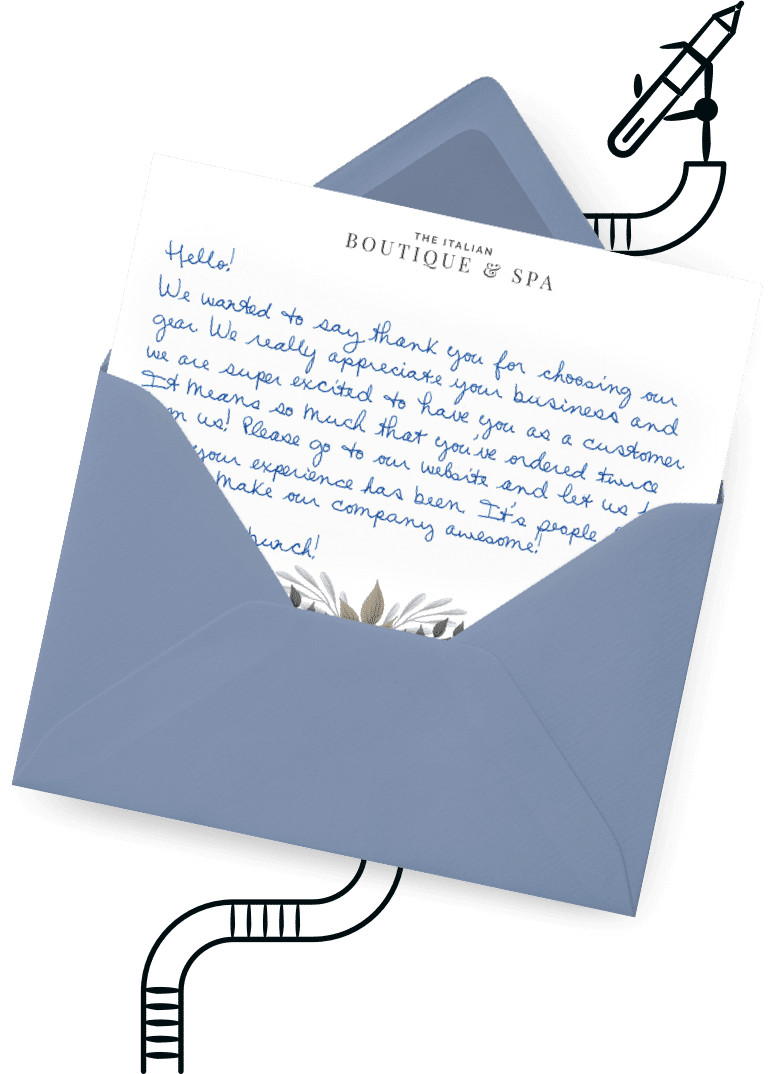

Over 100 designs to choose from or design your own. Our online card customizer makes it simple.
Check Out Our Cards!




Thank you.
