







5 Surprising Ways Handwritten Cards Boost Memory & Emotion

In an era dominated by digital communication, brands and individuals face an uphill battle to stand out. The average professional receives over 120 emails per day, not including newsletters, alerts, and automated outreach. In this cluttered landscape, even the most carefully crafted email can be overlooked, skimmed, or deleted without a second thought.

Enter the handwritten card. Unlike emails, text messages, or automated letters, handwritten cards offer a human, tangible touch that engages multiple senses. The result? Messages that are remembered longer, felt more deeply, and acted upon more frequently.

Neuroscience confirms this. Writing by hand engages the motor, cognitive, and emotional centers of the brain, enhancing memory retention and emotional resonance in ways digital messages simply cannot replicate.

This article explores five ways handwritten cards outperform digital messaging and offers actionable strategies for brands, marketers, and professionals to integrate them into their campaigns.


1. Handwriting Strengthens Memory Retention (Even When Automated)

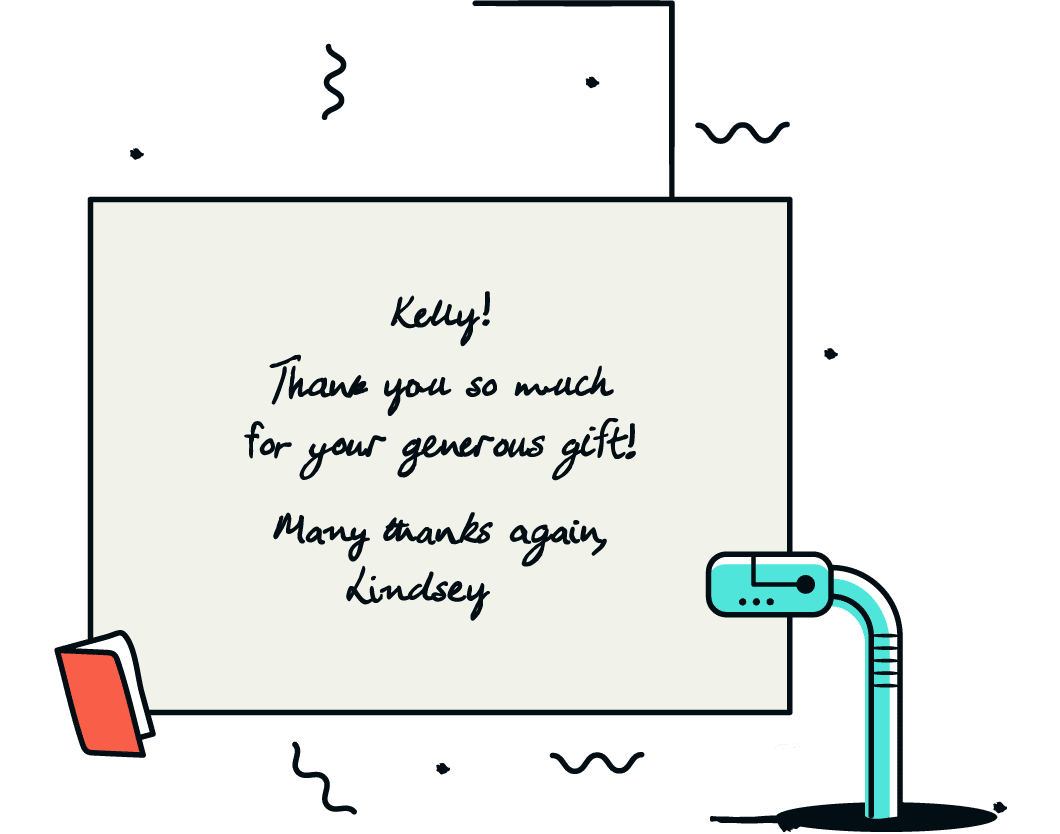
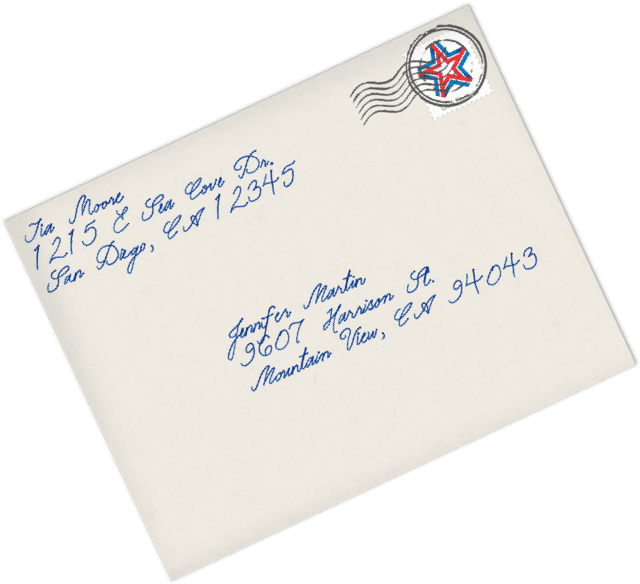
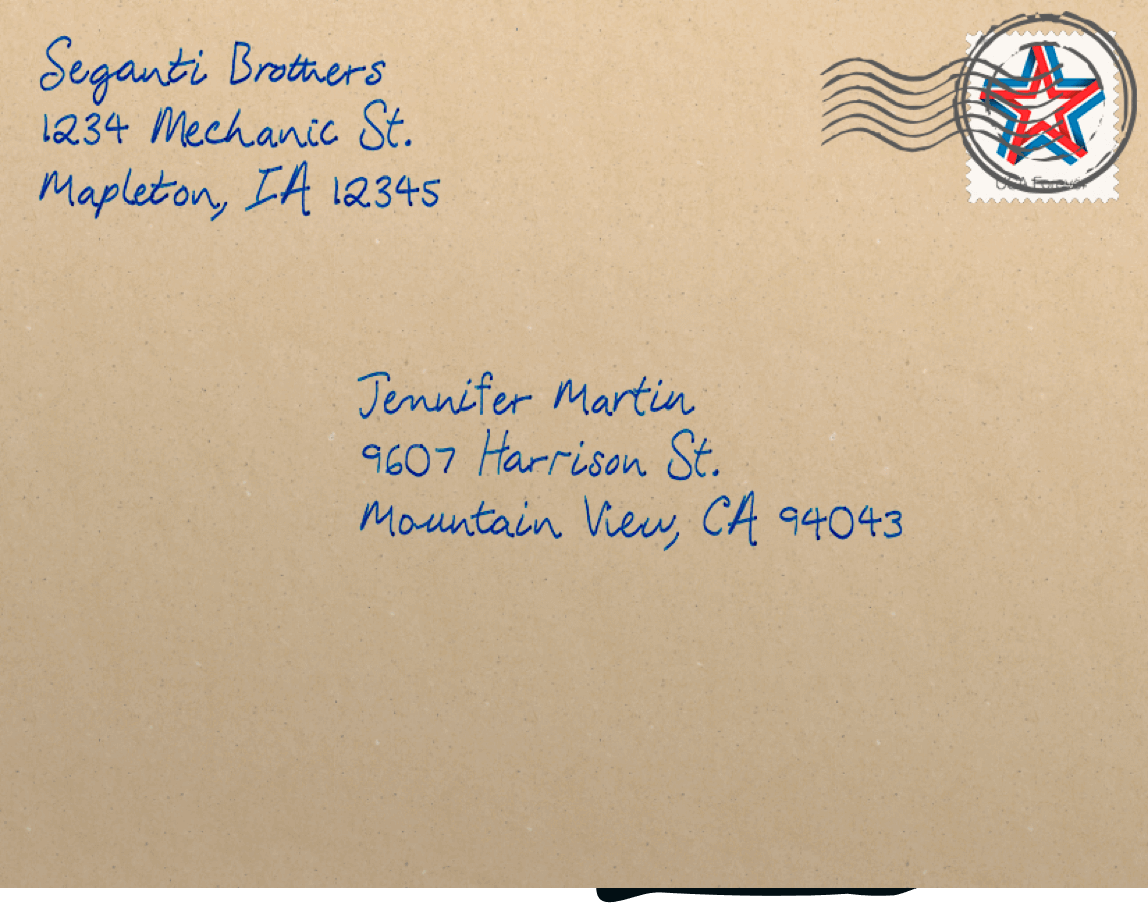
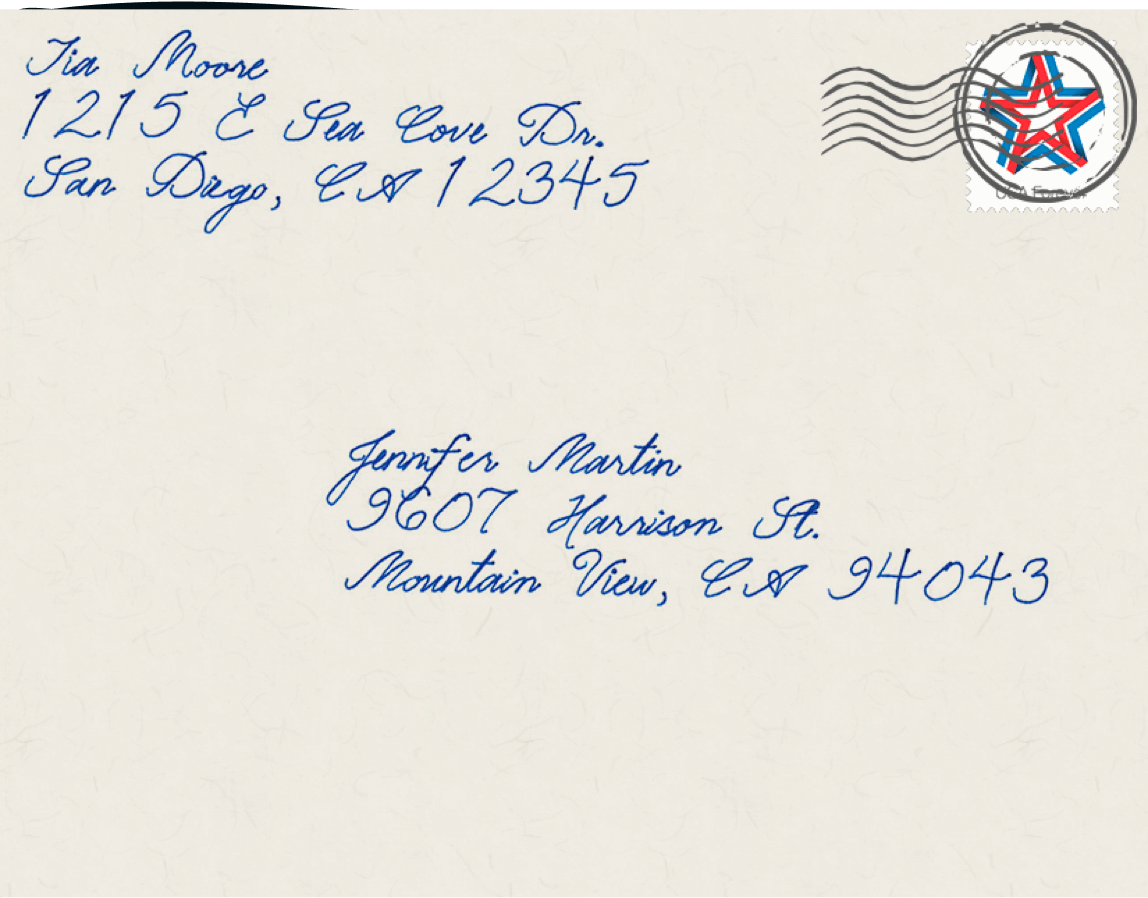
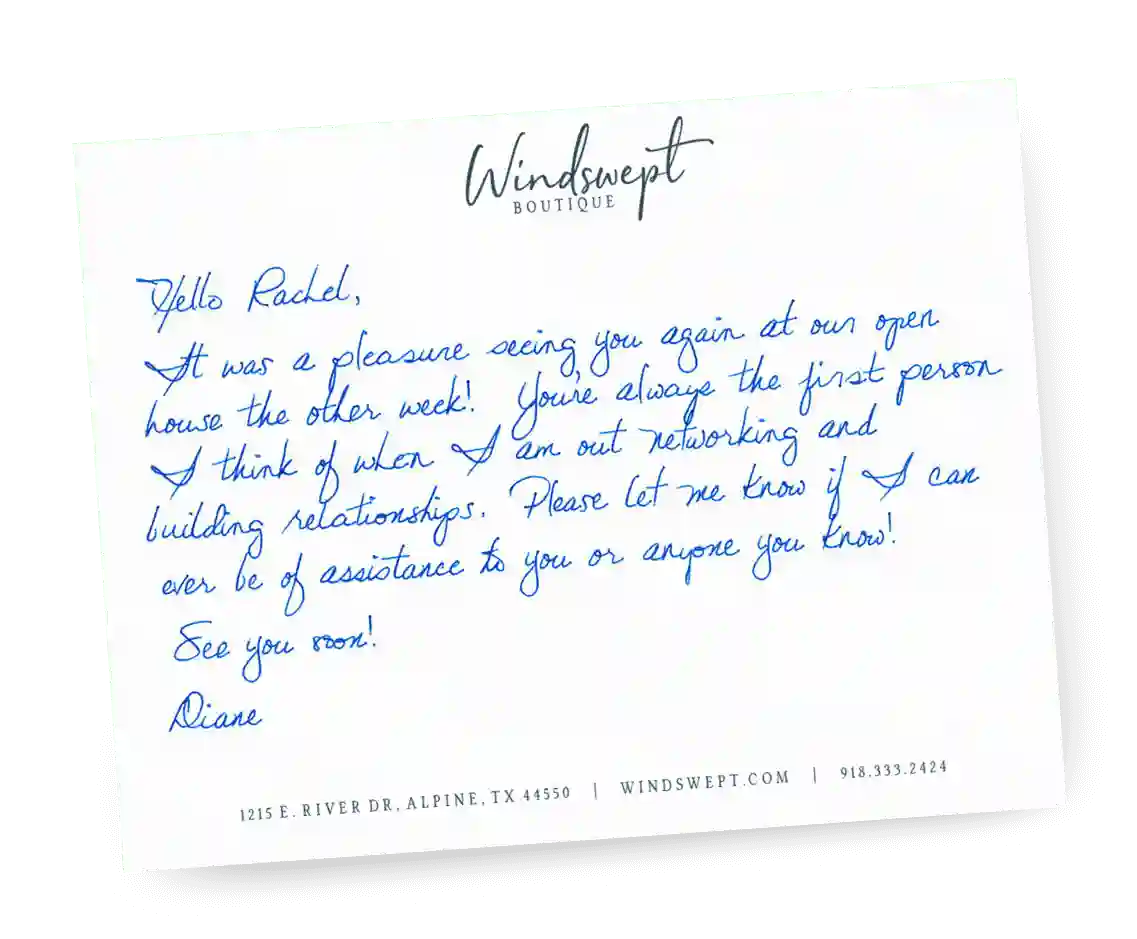
The simple act of seeing handwriting engages the brain differently than reading typed text. Handwriting activates regions associated with visual processing, memory, and emotional recognition, helping recipients encode the content more deeply. That means messages delivered in real handwriting are more memorable than templated emails, even when a robot writes them for you.

Why it matters for brands:

  • Recipients are far more likely to remember your brand after receiving a handwritten card than a standard email.
  • Messages that stick in memory drive higher engagement, follow-ups, and long-term loyalty.

Real-World Example:
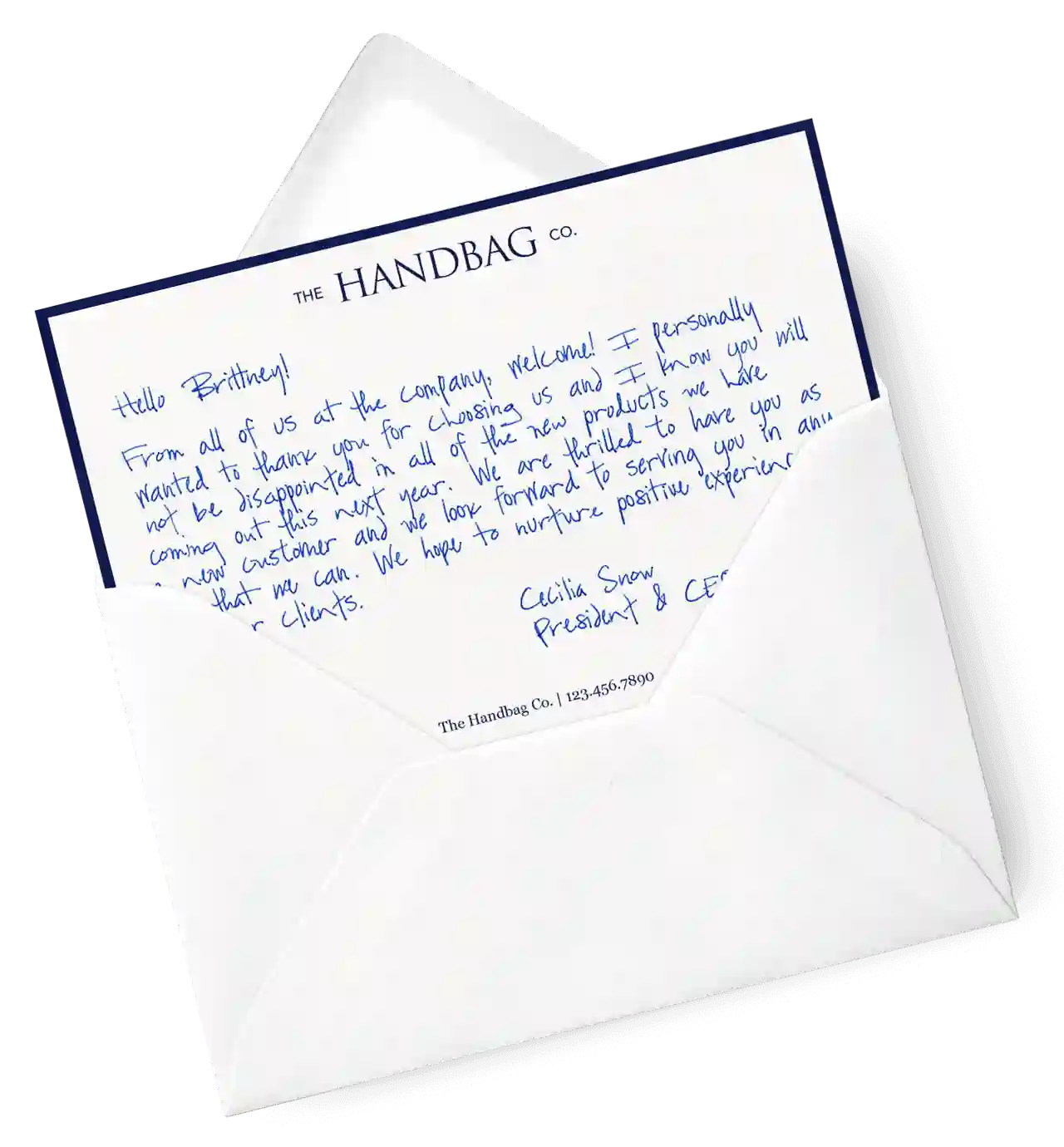
A SaaS company used Handwrytten to send onboarding cards to new clients. Each card was machine-handwritten in a realistic style, personalized for the recipient. Compared to clients who received only digital emails, those who received the cards were 25% more likely to respond to follow-ups and engaged more quickly with the platform.

💡Actionable Tip:
Send handwritten cards for critical touchpoints—onboarding, renewals, post-purchase thank-you notes—where stronger memory retention can influence future behavior. Handwrytten makes it easy to combine personalization, scalability, and the memory benefits of real handwriting.


2. Emotional Impact Resonates Longer

Emotions play a crucial role in memory formation. Neuroscience shows that emotionally charged experiences are stored more robustly in the brain. A handwritten card triggers this emotional engagement: the personal touch signals thoughtfulness, care, and attention, making recipients more likely to remember both the message and the sender.

Why it matters for brands:

  • Emotional connections build loyalty.
  • Positive emotional impact strengthens trust and long-term engagement.

Real-World Example:
A financial advisory firm sent handwritten cards to clients congratulating them on major life milestones, like purchasing a first home or reaching a savings goal. Clients reported feeling “personally valued,” and the firm saw a 15% increase in referral activity in the months following.

💡Actionable Tip:
Reference specific achievements, milestones, or interactions in your handwritten cards to maximize emotional impact. Personalized recognition leaves a stronger impression than generic greetings.


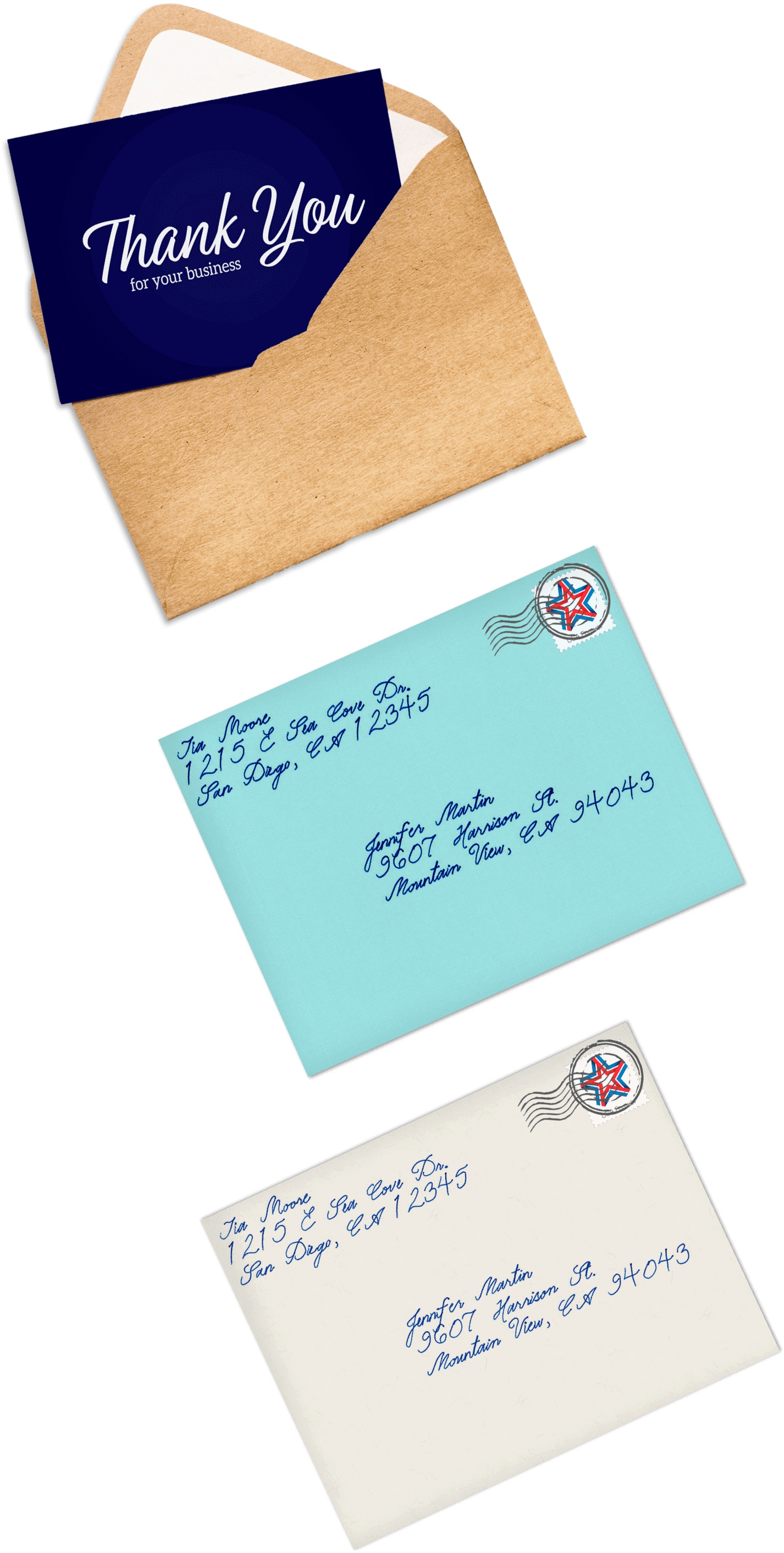
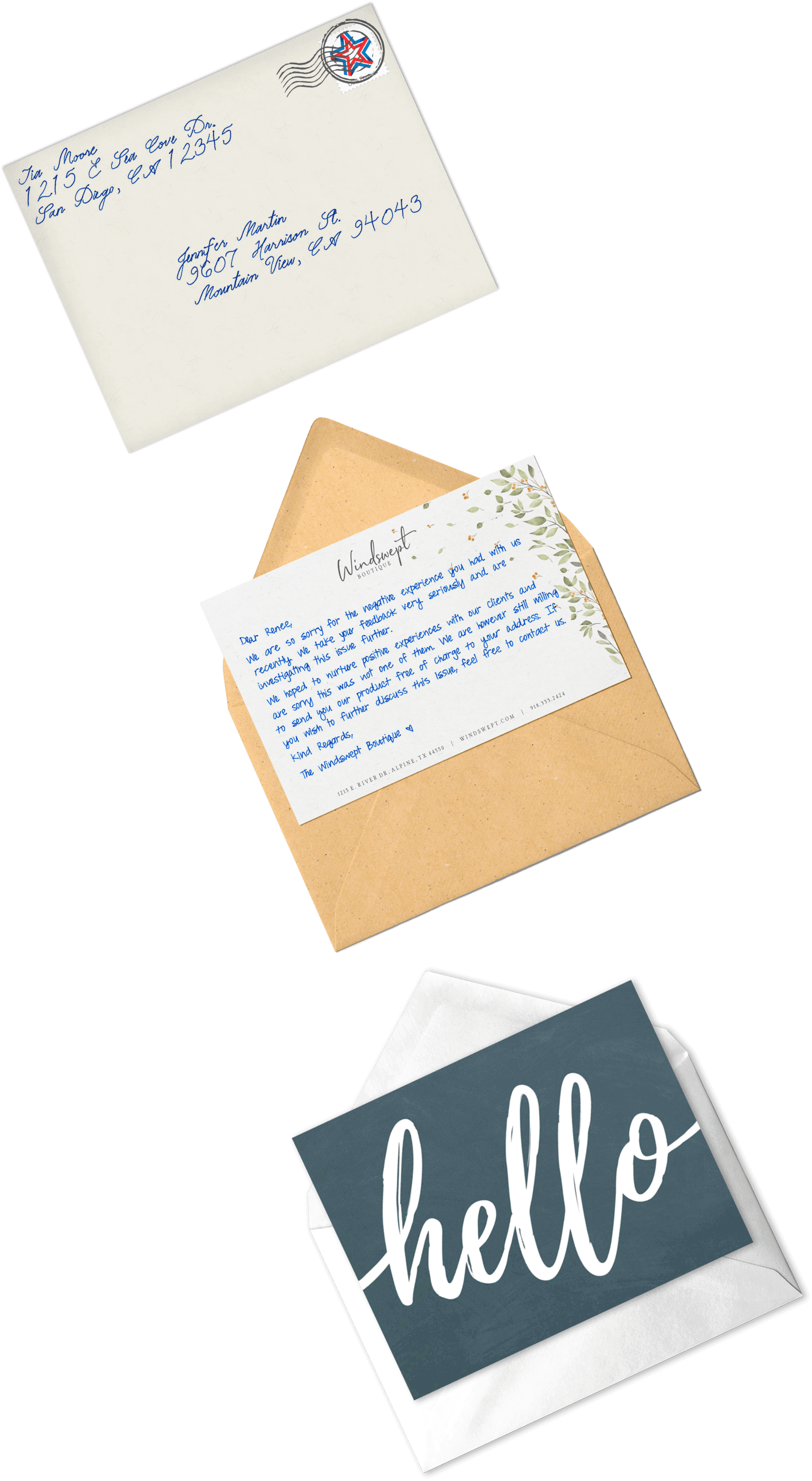
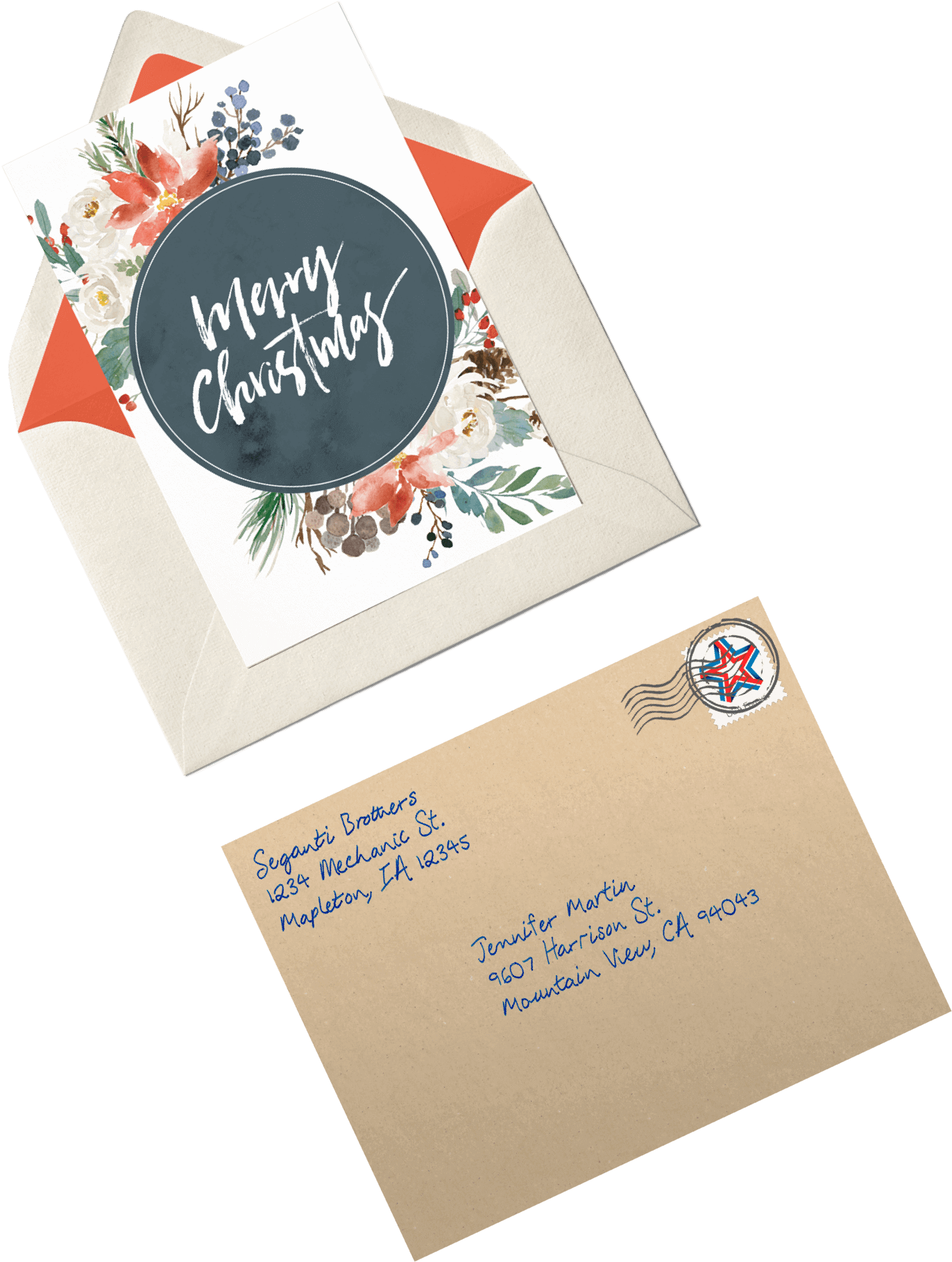
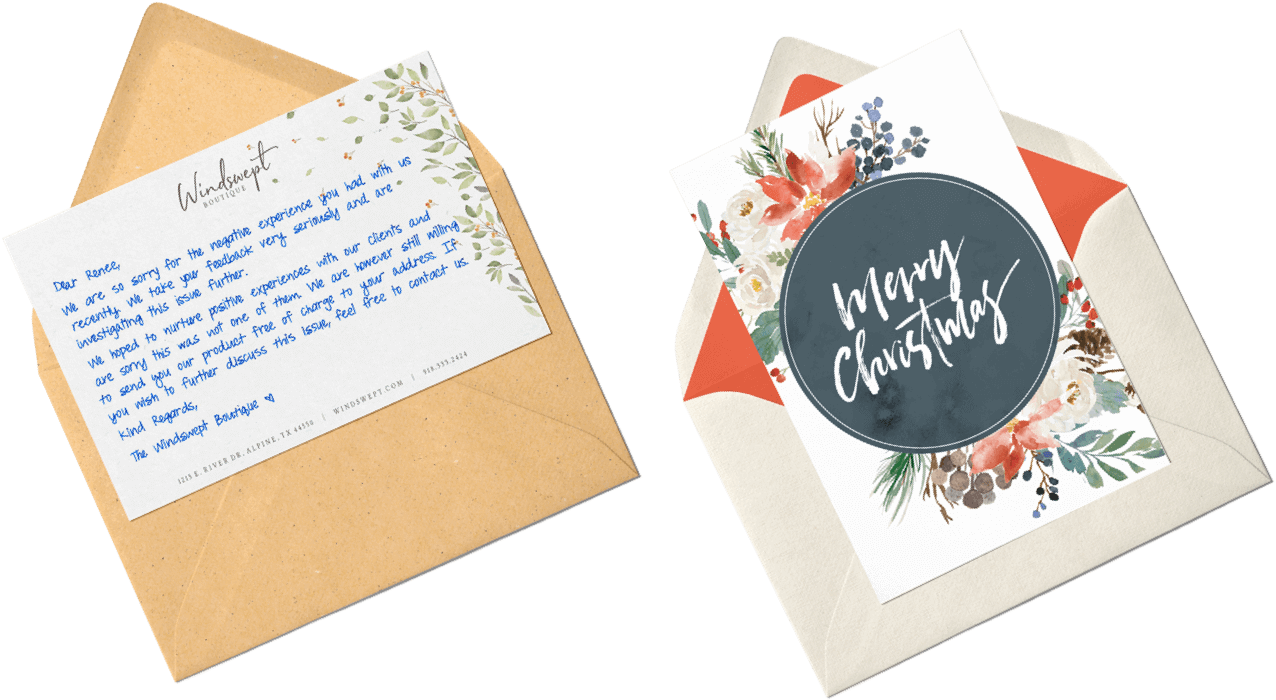
Handwrytten notes

3. Multi-Sensory Experience Enhances Engagement

A handwritten card is more than words on paper—it’s a multi-sensory experience. Recipients see the handwriting, feel the texture of the paper, and sometimes even notice the smell of ink or the card itself. This engages multiple senses, creating a deeper and more memorable interaction than digital messaging.

Neuroscience Insight:
Multi-sensory engagement strengthens memory encoding because the brain binds together sensory inputs—touch, sight, and even smell—into a single, memorable experience.

Why it matters for brands:

  • A multi-sensory experience increases the likelihood that recipients remember your message.
  • It creates a tangible connection in an intangible digital world.

Real-World Example:
An e-commerce brand sent handwritten “thank you” cards on premium textured paper to repeat customers during the holiday season. The cards not only generated repeat purchases, but customers also shared photos on social media, increasing brand visibility organically.

💡Actionable Tip:
Experiment with textured papers, colored inks, or unique card formats to enhance the sensory experience of your message. Even small details, like embossed logos or custom handwriting styles, make a card stand out.


4. Physical Mail Cuts Through Digital Noise

Inbox overload is a huge barrier to digital engagement. Studies show the average professional ignores or deletes most emails that aren’t personally relevant. Physical mail, especially handwritten cards, breaks this pattern.

Why it matters for brands:

  • Physical cards command attention because they are rare.
  • Recipients spend more time interacting with mail than with digital ads, increasing engagement and recall.

Real-World Example:
A B2B marketing team sent handwritten holiday cards to key prospects. The personal touch cut through post-holiday inbox clutter, resulting in higher response rates and more meaningful follow-ups in the new year.

💡Actionable Tip:
Use handwritten cards strategically during high-noise periods (holidays, post-event, or after campaigns) to stand out and be remembered.


5. Thoughtful Personalization Strengthens Relationships

Beyond memory and attention, the biggest advantage of handwritten cards is the human connection they create. Personalization—using the recipient’s name, referencing recent interactions, or noting milestones—signals thoughtfulness, deepening trust and loyalty.

Why it matters for brands:

  • Personalized cards are more likely to be remembered, shared, and appreciated.
  • They encourage repeat engagement and positive sentiment, which strengthens long-term relationships.

Real-World Example:
A professional services firm used Handwrytten to automate personalized client cards at scale. Despite automation, each card included unique details for each client. Recipients reported higher satisfaction and the firm saw an uptick in client retention.

💡Actionable Tip:
Combine automation with authenticity. Platforms like Handwrytten allow brands to scale handwritten campaigns without sacrificing personalization, ensuring every card feels genuinely thoughtful.


Bonus: When to Use Handwritten Cards

Some of the most effective touchpoints for handwritten cards include:

  • Onboarding new clients or employees
  • Thank-you notes after purchases or referrals
  • Holiday greetings
  • Celebrating anniversaries, milestones, or achievements
  • Follow-ups to revive dormant leads

Strategically timing cards at these moments maximizes memory retention, emotional impact, and relationship-building opportunities.


In a world dominated by digital messaging, handwritten cards offer a clear neuroscience-backed advantage:

  • They enhance memory retention
  • Amplify emotional impact
  • Cut through digital noise
  • Strengthen relationships

For brands and marketers, incorporating handwritten cards into outreach strategies is not just a nice gesture—it’s a strategic move. By sending thoughtful, personalized cards at key moments, you create memorable, meaningful touchpoints that digital messages cannot replicate.

Make your next message unforgettable—one handwritten card at a time.
👉 handwrytten.com

Choose from our cards design or your own.

Over 100 designs to choose from or design your own. Our online card customizer makes it simple.

Check Out Our Cards!

Next Posts

5 Strategic Ways to Use Handwriting as a CRM Trigger

Beyond the Swag Bag: B2B Trade Show Follow-Up That Converts

What are you searching for?

Still need help?
Send us a note.

    Thank you.

    This website uses cookies to improve your experience.
    We'll assume you're ok with this, but you can opt-out if you wish.