


The dealerships winning in 2026 aren’t the ones spending the most on advertising. They’re the ones connecting most genuinely with the people already looking to buy.
Automotive marketing strategies have never been more complex — or more consequential. The modern car buyer completes the majority of their purchase research online before ever setting foot in a showroom, which means the dealership that wins the relationship wins the sale long before the test drive happens. Digital presence, search visibility, and the quality of every touchpoint along the buying journey now determine outcomes that used to be decided on the lot by a skilled salesperson.
But the dealerships consistently outperforming their competitors in 2026 aren’t winning purely on digital marketing sophistication. They’re winning by combining the reach and efficiency of modern digital channels with the personal, relationship-driven communication that builds the kind of genuine loyalty that generates repeat business and referrals — the two most profitable growth levers available to any automotive business.
These seven automotive marketing strategies cover both dimensions — the digital channels that put your dealership in front of buyers early in the research process, and the relationship touchpoints that convert those buyers into loyal advocates who come back and bring others with them.

The car buying process has undergone a fundamental transformation. Research that once happened at the dealership now happens at home, on phones, and across dozens of digital touchpoints before a buyer ever contacts a sales team. Studies consistently show that the overwhelming majority of car buyers — upwards of 95% — begin their search online, conducting extensive research on models, pricing, reviews, and dealership reputation before initiating contact.
The practical implication for automotive marketing strategies is significant: by the time a buyer reaches out to your dealership, they’ve already formed strong impressions about whether your organization is worth their time. The dealership with the strongest digital presence, the most compelling reviews, and the most consistent relationship touchpoints wins those conversations disproportionately — regardless of whether they’re competing on price.
At the same time, the volume of digital communication buyers encounter throughout the research process means that the dealerships who cut through most effectively are the ones willing to show up in formats that competitors aren’t using — including the physical, personal formats that create the relational impressions digital channels consistently fail to generate.

A dealership’s website is its most important salesperson — and unlike a human salesperson, it works around the clock, handles every prospect simultaneously, and creates the first impression that determines whether a buyer continues their research with your inventory or moves to a competitor.
Effective automotive marketing strategies treat the dealership website as a conversion tool rather than a brochure — optimized for both search engines and user experience simultaneously. That means high-quality photography of every vehicle, intuitive inventory search filters, easy inquiry options, clear location and hours information, and mobile optimization that makes every function as accessible on a phone as on a desktop.
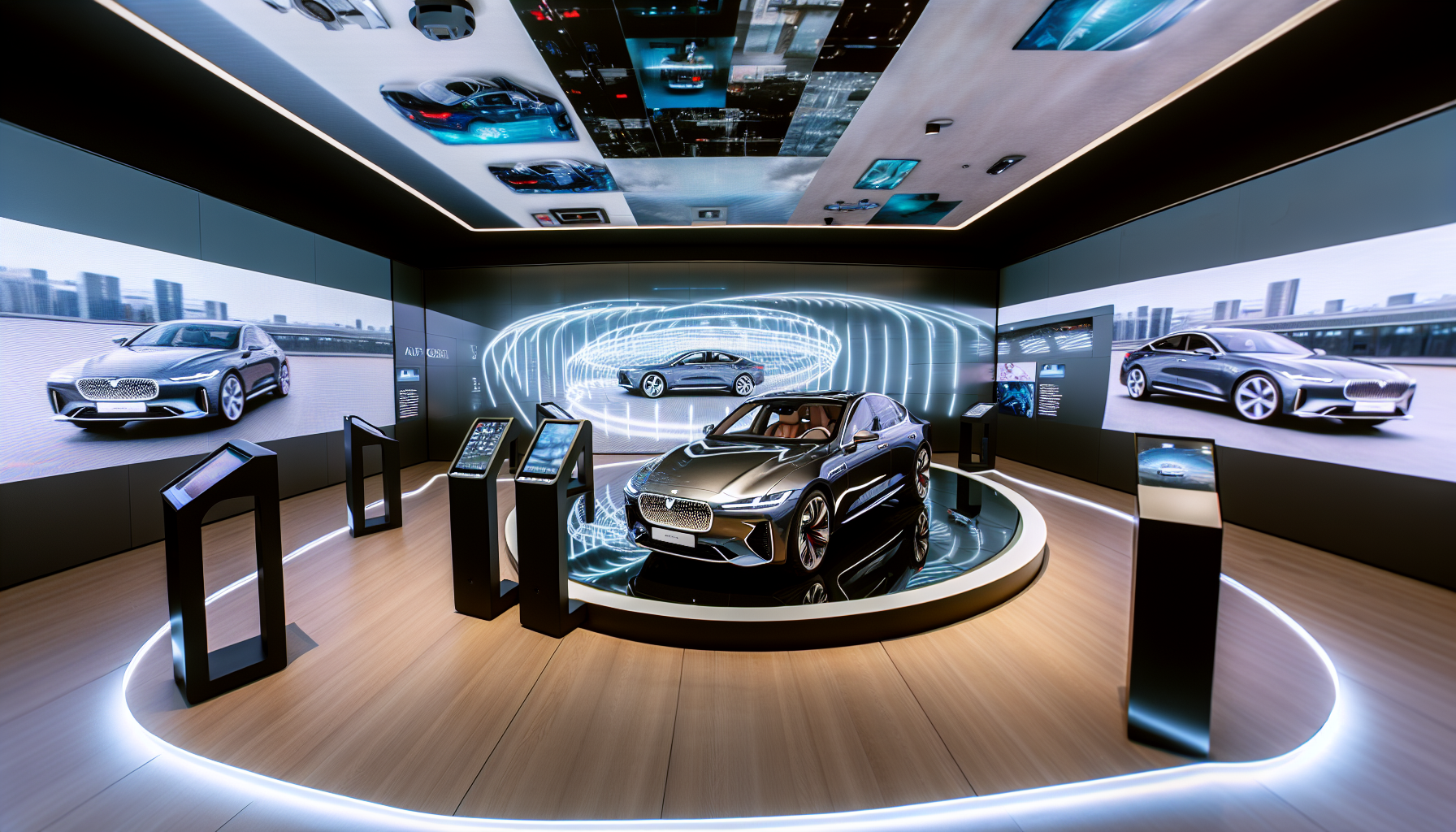
What works in 2026: Dealerships investing in virtual showroom experiences — interactive tools that allow buyers to explore vehicles, configure options, and experience models from home — are seeing significantly stronger lead quality from digital channels because buyers who engage with virtual showrooms are further along in the purchase decision before first contact. Video walkarounds, 360-degree interior views, and side-by-side comparison tools all contribute to a digital presence that converts browsers into qualified prospects.
The content strategy supporting your website matters as much as the site itself. Blog content, buying guides, and model-specific resources that answer the questions buyers are actively searching create the topical authority that search engines reward with higher rankings — and that buyers reward with trust.
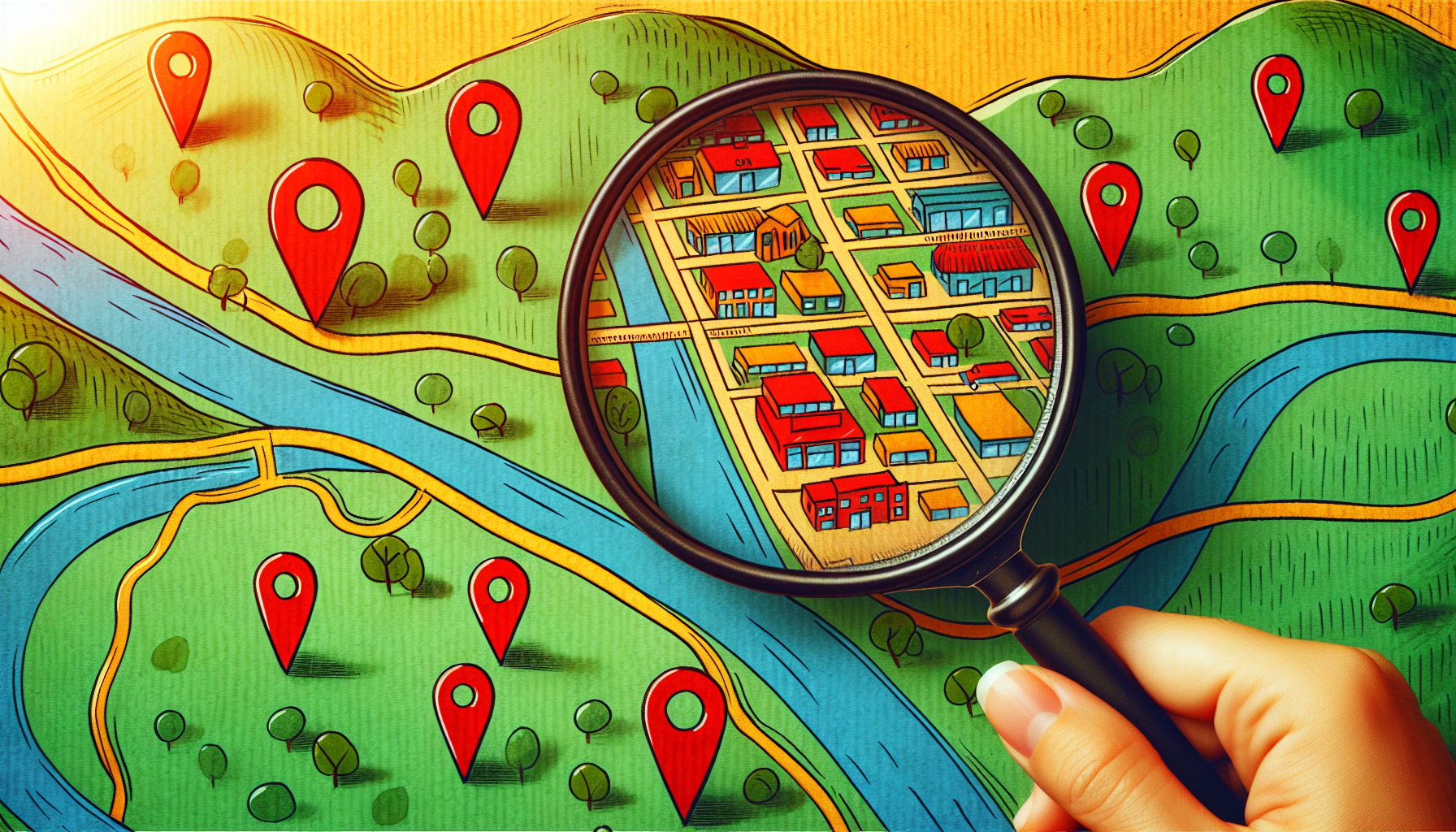
Search engine optimization is one of the highest-return automotive marketing strategies available — and one of the most frequently underfunded. A dealership that consistently appears at the top of local search results for high-intent queries captures buyer attention at the most valuable moment in the purchase journey: when the buyer is actively looking.
Effective automotive SEO in 2026 operates on two levels: national keyword presence for model and brand research queries, and hyper-local visibility for buyers who are ready to transact. The local dimension is where most dealerships find their highest-return opportunity — because local search intent signals purchase readiness in a way that broader research queries don’t.
Local SEO fundamentals for dealerships:
A fully optimized Google Business Profile is the foundation of local search visibility. Accurate information, high-quality photos, regular posts, and actively managed reviews all contribute to the local ranking signals that determine whether your dealership appears in the map pack when a buyer searches for dealerships near them.
Location-specific content on your website — pages targeting the cities and neighborhoods you serve, content that references local landmarks and communities — reinforces your local relevance in ways that dealerships with only generic national content don’t achieve.
Review volume and recency matter significantly for both search rankings and buyer trust. A systematic approach to generating reviews from every satisfied buyer — a handwritten follow-up card requesting a review, a well-timed email, a QR code on the service receipt — builds the review profile that sustains local search visibility over time.
Keyword strategy for car dealership marketing: Focus on the specific makes and models in your inventory paired with your geographic market — “used Toyota Camry [city],” “[brand] dealership near [neighborhood]” — rather than competing for broad automotive terms where national competitors have overwhelming domain authority advantages.
The automotive purchase cycle is long — often three to six months from initial research to final decision — and email marketing is one of the most effective automotive marketing strategies for maintaining consistent presence throughout that cycle without requiring manual effort for every touchpoint.
A well-structured dealership email program captures contact information early in the buyer’s research process — through inventory inquiry forms, test drive requests, trade-in valuation tools, and content downloads — and nurtures those contacts with relevant, useful communication until they’re ready to transact.
What separates effective automotive email marketing from noise:
Segmentation. An email about truck financing sent to a buyer researching compact SUVs communicates that the dealership isn’t paying attention. Effective car dealership marketing email programs segment by vehicle interest, purchase stage, and buyer type — ensuring every communication feels relevant rather than broadcast.
Trigger-based communication. Automated emails triggered by specific buyer behaviors — returning to a vehicle listing multiple times, requesting a price quote, abandoning a finance application — reach buyers at the moments of highest purchase intent with communications calibrated to that specific moment.
Post-purchase sequences. The buyer relationship shouldn’t end at delivery. Service reminder sequences, accessory offers timed to the ownership lifecycle, and anniversary touchpoints all contribute to the lifetime value of each customer relationship.
Paid advertising — Google Search, display, and social media — allows dealerships to reach buyers actively searching for their inventory with a speed and targeting precision that organic strategies can’t match. For automotive marketing strategies specifically, paid search captures high-intent buyers at the exact moment they’re searching for what you sell.
Google Search campaigns targeting model-specific and location-specific queries deliver some of the highest-quality leads in the car dealership marketing ecosystem — because the buyer is already in the market and already looking. Display and social campaigns serve different functions — brand awareness, retargeting buyers who’ve visited your site, and prospecting new audiences based on demographic and interest profiles.
What works: Retargeting campaigns that reach buyers who’ve viewed specific vehicles on your website are among the highest-converting paid advertising formats for dealerships — because they reach buyers with established purchase intent with highly relevant creative. A buyer who spent twelve minutes looking at a specific model on your site and then sees a targeted ad featuring that model is significantly more likely to return and convert than one reached through cold prospecting.
Video advertising on YouTube and social platforms delivers the model showcase content that resonates with visual car buyers — particularly effective for new model launches, inventory highlights, and testimonial content.
Of all the automotive marketing strategies in this guide, this is the one your competitors are least likely to be using consistently — and the one that creates the strongest individual impressions at the moments that matter most in the customer relationship.
The automotive purchase is one of the most emotionally significant transactions most people make. A buyer who has just spent $40,000 or $50,000 on a vehicle is attuned — more than at almost any other moment — to how the dealership treats them after the transaction. Most dealerships handle this moment with a standard confirmation email, a generic satisfaction survey, and silence until the next service reminder.
A handwritten thank-you note arriving within a few days of delivery communicates something that no digital follow-up can replicate: that a real person at this dealership took specific time for this specific buyer. That communication creates the emotional impression that generates reviews, referrals, and the loyalty that brings buyers back for their next vehicle.
The highest-impact moments for handwritten outreach in automotive:
Post-purchase thank-you. The note that arrives within 48 to 72 hours of delivery — warm, specific, and completely free of any commercial content — creates the first impression of what kind of organization this buyer has chosen to do business with.
“Welcome to the [Brand] family, [Name] — it was a genuine pleasure working with you through this process, and I hope [vehicle] brings you everything you were looking for. Please don’t hesitate to reach out for anything, now or years from now. Thank you for choosing us.”
Service appointment follow-up. A handwritten note following a significant service appointment — particularly an unexpected repair or a first major service milestone — communicates ongoing care for the relationship that sustains loyalty through the ownership lifecycle.
“Thank you for bringing your [vehicle] in this week. We’re committed to taking excellent care of it for as long as you own it. As always — we’re here for anything you need.”
Birthday and anniversary outreach. Handwritten cards at buyer birthdays and vehicle purchase anniversaries keep your dealership present in buyer awareness at the moments when they’re most likely to be asked by friends and family for a dealership recommendation.
Dormant prospect re-engagement. A handwritten note to a prospect who visited the lot or submitted an online inquiry but didn’t purchase — warm, low-pressure, and arriving in a format nobody else is using — creates a response rate that no email re-engagement sequence approaches.
“Hi [Name] — it’s been a few months since we connected, and I wanted to reach out personally. No pressure at all — just wanted to say the door is always open whenever the timing feels right. We have some interesting options in that would love to show you.”
Handwrytten’s platform integrates with dealership CRM systems to trigger personalized handwritten notes automatically at every key moment in the customer lifecycle — each one produced with real pen on real paper using robotic pen-and-ink technology, personalized for the individual recipient, and mailed without any manual effort from your sales team.
The CRM system that most dealerships use primarily as a lead tracking tool is actually the infrastructure for the most profitable automotive marketing strategies available: systematic customer retention and referral generation.
Every buyer in your CRM database is a potential repeat customer, a potential referral source, and a potential online reviewer — and the systematic communication program built on top of that database is what determines whether those potential outcomes actually materialize.
What high-performing dealership CRM programs include:
Lifecycle milestone triggers — purchase anniversaries, service milestones, vehicle age thresholds that signal potential replacement interest — that initiate personalized outreach at the right moments without requiring manual initiation from sales staff.
Referral tracking that identifies which customers generate the most referrals and focuses relationship investment disproportionately on those advocates — because a buyer who has referred twice is significantly more likely to refer again than one who hasn’t referred at all.
Service-to-sales workflows that identify service customers approaching high-mileage thresholds or vehicle age points where a trade conversation is likely to be welcome — and initiate that conversation proactively rather than waiting for the customer to decide independently that it’s time to shop.
Integration with handwritten outreach systems — so CRM data triggers personalized physical communication at the moments when digital channels alone aren’t sufficient to create the relational impression the moment requires.
The dealership that is genuinely embedded in its local community occupies a competitive position that no amount of digital advertising can replicate — because community trust is built through consistent presence and genuine local investment over time, not through campaign spend.
Effective community engagement as an automotive marketing strategy operates on multiple levels: sponsoring local causes that align with the community’s values, hosting events that create genuine value for local residents, and participating in the community conversations that build the organic awareness and goodwill that sustained local businesses for generations before digital marketing existed.
What works for dealerships:
Sponsoring local youth sports leagues, school programs, and community events creates consistent brand presence with the families that represent the highest-value long-term customer segment for most dealerships. The families who grow up seeing a dealership’s name on their child’s baseball jersey are significantly more likely to think of that dealership first when their teenager needs their first car.
Hosting community events on the lot — family car shows, charity drives, auto safety workshops — creates a reason to visit the dealership outside of the purchase context, which builds the familiarity and comfort that makes the eventual sales conversation less transactional.
Charitable partnerships that align with local causes the community genuinely cares about create the positive brand association that influences buying decisions at the margin — and in a competitive market, margin decisions are where long-term success is built.
The most effective car dealership marketing programs aren’t built on any single strategy — they’re built on the systematic integration of all seven. Digital presence and SEO generate the awareness that puts your dealership in front of buyers early in the research process. Paid advertising captures high-intent buyers at the moment of peak purchase readiness. Email nurturing maintains presence through the extended buying cycle. CRM programs systematize the relationship investment that sustains lifetime customer value.
And handwritten outreach — deployed at the specific moments when digital channels alone can’t create the relational impression the moment requires — is what converts satisfied customers into loyal advocates whose referrals and repeat business sustain dealership growth at a cost that no paid channel can match.
What are the most effective automotive marketing strategies for generating leads in 2026?
Local SEO, Google Search advertising targeting model-specific queries, and retargeting campaigns for buyers who’ve engaged with your inventory online generate the highest-quality leads because they reach buyers with established purchase intent. For warming those leads into genuine relationships, handwritten outreach at key moments in the buyer journey produces response rates that no digital follow-up achieves.
How important is social media for car dealership marketing?
Significant — particularly for inventory showcase, video content, and reputation building. Social media advertising also delivers strong results for retargeting and audience prospecting. The most effective dealerships use social as one component of a broader car dealership marketing program rather than as a standalone strategy.
How do dealerships stand out in a market where every competitor is using the same digital channels?
By showing up in formats competitors aren’t using. Handwritten outreach at post-purchase, service, and re-engagement moments creates individual impressions that no digital channel produces — and in a market where every competitor is fighting for attention in the same digital spaces, the physical channel is uncontested.
How can dealerships improve customer retention between purchases?
Through systematic lifecycle communication — service milestone outreach, vehicle anniversary touchpoints, and the occasional no-agenda handwritten note that communicates genuine ongoing care for the relationship. The customers who return for their next vehicle are almost always the ones who felt genuinely valued throughout their ownership experience — not just at the point of sale.
What role does community engagement play in automotive marketing?
A significant one — particularly for long-term brand equity in the local market. Community engagement builds the organic awareness and genuine goodwill that sustains dealership reputation through the inevitable competitive pressure and market fluctuations that every dealership navigates over time.
The automotive marketing landscape in 2026 rewards dealerships that combine the efficiency of digital channels with the genuine relational quality that creates lasting loyalty. Seven strategies — each one addressing a different dimension of the buyer journey and the customer relationship — working together as a systematic program rather than a collection of disconnected tactics.
The dealerships that implement all seven consistently are the ones whose customers come back, refer their friends, and leave the reviews that fuel the next generation of buyer trust.
Start Sending → handwrytten.com
Editor’s note: This article was revised in June 2026


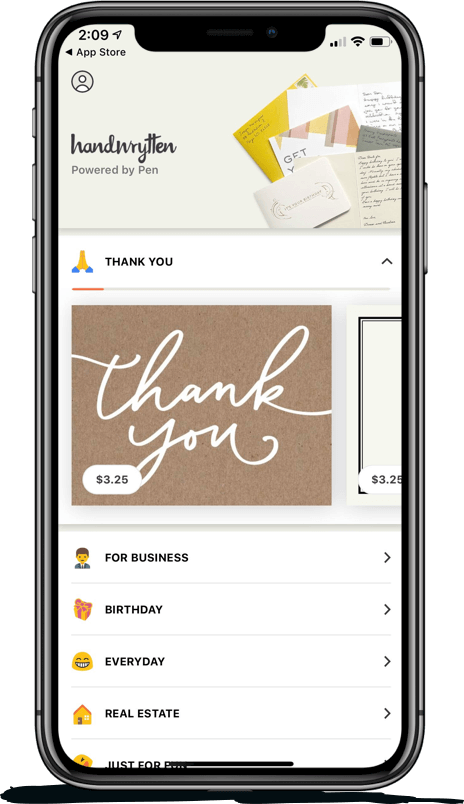
Scale your handwritten outreach, creating positive impressions and long lasting bond.
Sign Up Today!

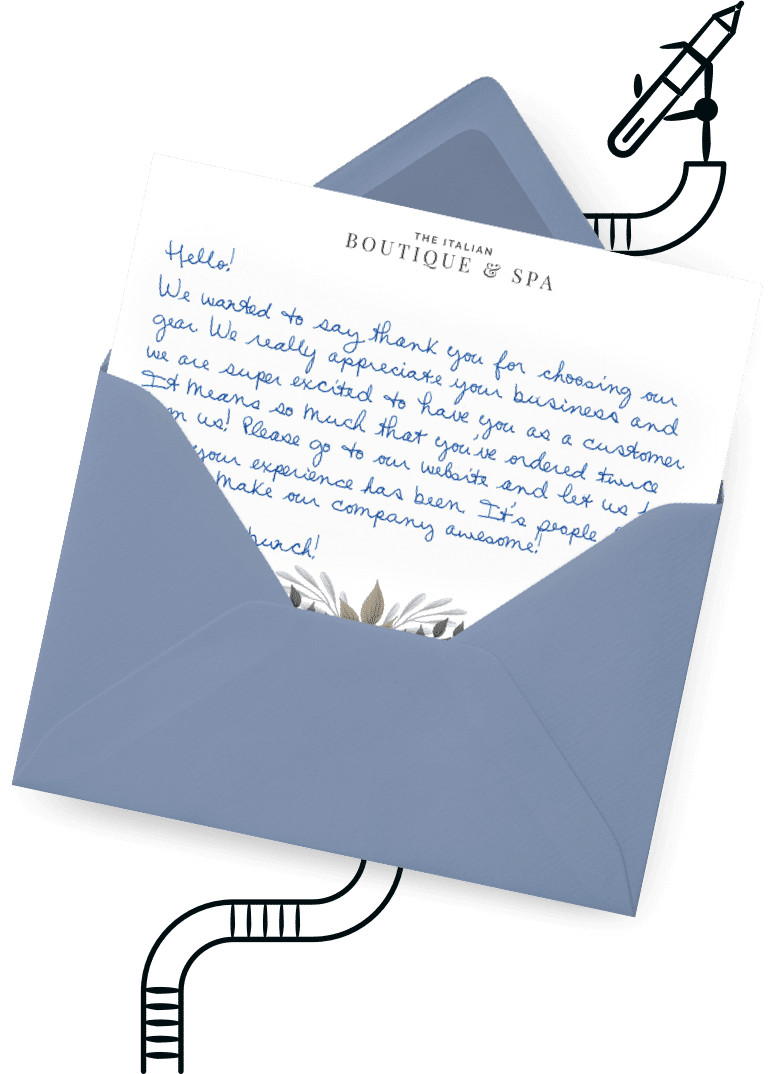

Over 100 designs to choose from or design your own. Our online card customizer makes it simple.
Check Out Our Cards!




Thank you.
