


The transaction is the beginning of the relationship — not the end of it.
Most e-commerce brands put enormous energy into getting customers to the checkout page. Far fewer put the same energy into what happens after. That’s a costly oversight — because the post-purchase experience is where loyalty is actually built.
“Thank you for your order” sets a low bar. Customers expect it. They process it the same way they process a receipt — as a confirmation, not a connection. The brands that turn one-time buyers into repeat customers and vocal advocates aren’t the ones with the best checkout flow. They’re the ones that make customers feel valued after the transaction is complete.
Handwritten notes are one of the most effective tools for building that feeling at scale. In a post-purchase landscape dominated by automated emails and templated SMS messages, a physical, personal note breaks the pattern entirely — and that pattern break is exactly what creates the emotional memory that keeps customers coming back.
Here are seven powerful ways to master the post-purchase experience and move well beyond a standard thank you.
A customer’s first order date is a milestone worth marking. Reaching out one year later — unprompted, with no offer attached — signals something that most brands never communicate: that you remember them, and that their business meant something beyond the transaction.
This kind of outreach doesn’t just feel good. It reactivates the emotional connection from the original purchase at exactly the moment it might otherwise be fading.
“Hard to believe it’s already been a year since your first order — thank you for being part of our journey. We truly appreciate your support.”
Pro tip: Set this up once in Handwrytten using automated scheduling tied to first-order dates, and it runs without any manual effort on your end.
The 30, 60, and 90-day marks after a purchase are natural windows to reconnect with customers — especially for products that take time to deliver their full value. A check-in at these moments shows customers you’re invested in their experience, not just their order.
It’s also one of the lowest-pressure ways to surface feedback, build community, and reinforce that the purchase was the right decision.
“We hope you’re still loving your purchase — just wanted to say thank you for choosing us and being part of our community.”
The most emotionally impactful moments in the post-purchase experience are often the ones customers never see coming. A note sent for no particular reason — no holiday, no milestone, no promotional hook — communicates genuine appreciation in a way that timed campaigns cannot replicate.
Unexpected gestures create the strongest brand memories precisely because they ask for nothing in return.
“No occasion — just appreciation. We’re grateful you chose us and wanted to say thank you for being part of our story.”
A customer who comes back deserves more than the same automated sequence they received the first time. Returning customers have already demonstrated loyalty — and that loyalty deserves explicit acknowledgment.
Recognition doesn’t require a discount. Often, a sincere note that says we noticed, and we’re grateful is worth more than a promotional code — and costs far less in margin.
“Thank you for coming back — we don’t take your continued support for granted. It means the world to us.”
The note that arrives immediately after a purchase sets the tone for the entire relationship that follows. Most brands get this moment wrong by sending something that feels like an afterthought — a templated email that could have been sent to anyone.
A handwritten card at this stage signals from the very beginning that this brand is different. It turns initial satisfaction into early loyalty, before a competitor has had the chance to make an impression.
This is the single highest-leverage touchpoint in the post-purchase experience — and the one worth getting right first.
Every brand has a segment of customers who bought once and went quiet. Re-engagement campaigns typically lean on discounts or urgency to bring them back — and customers know it. A handwritten note that leads with genuine appreciation, with no pitch attached, is far more disarming and far more effective.
The goal isn’t to sell. It’s to reopen the relationship and remind the customer that they’re valued — whether they buy again or not. More often than not, they do.
“We’ve missed you and just wanted to say thank you for your past support. You’re always part of our community.”
The ultimate goal of the post-purchase experience isn’t retention metrics — it’s memory creation. Customers forget what they bought far faster than they forget how a brand made them feel. The businesses that win long-term loyalty are the ones that show up consistently, personally, and without an agenda.
Handwritten communication does this better than any other channel because it carries an inherent signal of effort and intention. A physical note says someone thought about you specifically. That impression sticks — and it compounds over time into the kind of brand affinity that no ad campaign can manufacture.
In a world of automated emails and SMS reminders, a physical handwritten note stands out because it breaks the digital pattern entirely. It feels personal, intentional, and human — three qualities that are increasingly rare in post-purchase communication and increasingly valuable because of it.
The emotional differentiation that handwritten notes create isn’t soft or hard to measure. Brands that invest in post-purchase handwritten communication consistently see higher repeat purchase rates, increased customer lifetime value, stronger brand recall, improved satisfaction scores, and more word-of-mouth referrals. Customers remember how they were treated after the purchase — and they make their next decision accordingly.
The obvious challenge with handwritten outreach is scale. Most brands can’t staff a team to hand-write notes to every customer at every milestone. Handwrytten solves that problem with robotic pen-and-ink technology that produces genuinely handwritten cards — not printed simulations — triggered automatically by customer lifecycle events.
First purchase dates, product milestone windows, repeat order triggers, re-engagement thresholds — all of it can be automated through CRM integrations with platforms like Salesforce and HubSpot, with each card personalized for the individual recipient. The process runs in the background. The experience feels anything but automated.
A simple starting framework:
Build these four touchpoints first, then expand as you see the results come in.
What exactly is the post-purchase experience? It’s everything that happens after a customer completes a transaction — follow-up communication, support interactions, retention efforts, and any touchpoint that shapes how a customer feels about the brand going forward. It’s the phase where loyalty is either built or lost.
Why are handwritten notes more effective than email after a purchase? Because they break the pattern. Customers expect automated emails — they don’t expect a physical, personal note. That unexpectedness creates a stronger emotional response, which translates directly into higher retention and more referrals.
When should brands send post-purchase handwritten notes? The highest-value moments are immediately after purchase, at 30–90 day product milestones, on first-purchase anniversaries, and after repeat orders. Each of these windows represents a natural opportunity to reinforce the relationship.
Can this be automated without losing the personal feel? Yes. Handwrytten’s platform automates the entire process — triggering cards based on customer behavior, personalizing each one with individual details, and producing them with real ink on real paper. The automation handles the logistics. The handwriting handles the impression.
How do handwritten notes improve customer retention specifically? They make customers feel valued beyond the transaction, which builds emotional loyalty rather than purely transactional loyalty. Customers who feel genuinely appreciated don’t just buy again — they refer others and become advocates for the brand.
The future of e-commerce isn’t faster checkout or deeper discounts. It’s deeper connection. The brands that understand that the post-purchase experience is where loyalty lives — and invest accordingly — are the ones that win long term.
Start Sending → handwrytten.com


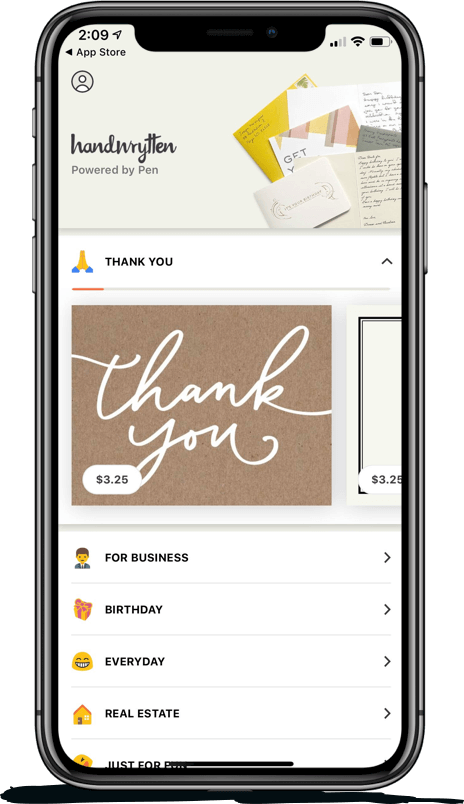
Scale your handwritten outreach, creating positive impressions and long lasting bond.
Sign Up Today!

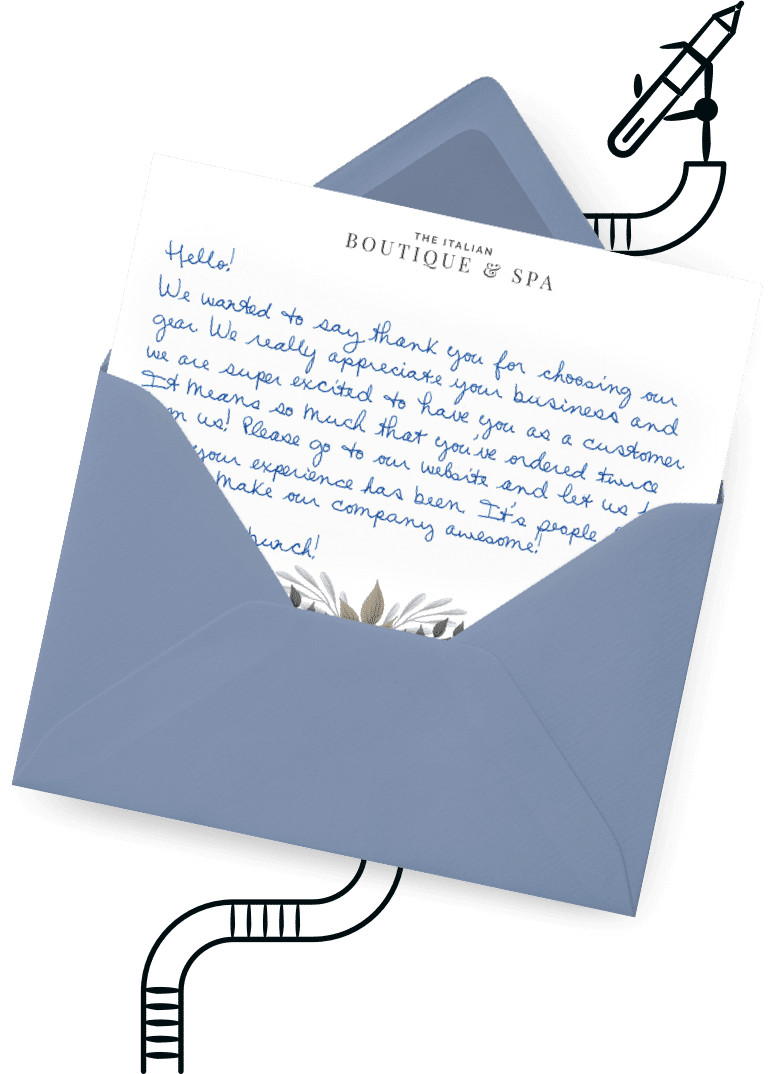

Over 100 designs to choose from or design your own. Our online card customizer makes it simple.
Check Out Our Cards!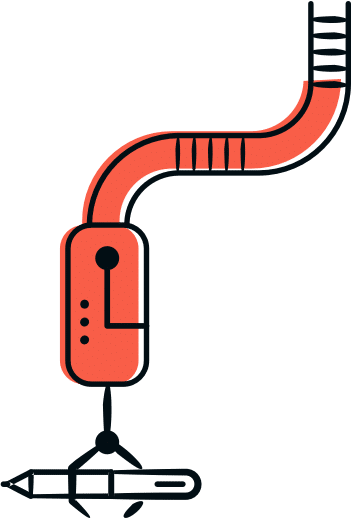




Thank you.
