


The first month is excitement. Month two is where subscribers decide whether to stay.
Subscription box churn is one of the most predictable challenges in the e-commerce subscription industry — and month two is where it hits hardest. Every subscription box business understands the first-month experience. The anticipation, the unboxing, the social share — it’s designed to delight, and it usually does. First-month subscription churn is relatively low because the novelty is doing most of the work. Subscribers are still in the honeymoon phase, still discovering what they’ve signed up for, still giving the product the benefit of the doubt.
Month two is different.
Month two is where the novelty fades and the relationship has to carry the weight. The subscriber has experienced the product once and is now making a quiet, often unconscious evaluation: is this worth continuing? There’s no unboxing high to smooth over any friction. There’s no first-impression excitement to offset any ambivalence. There’s just the cold, rational question of whether this subscription is delivering enough value to justify another charge on the credit card.
This is the moment most subscription businesses handle with automated email sequences, re-engagement campaigns, and urgency-driven retention tactics — all of which the subscriber has seen before, from every other subscription they’ve ever considered canceling. Subscription box churn at this stage is almost entirely an emotional problem. And the most powerful solution isn’t a better email. It’s something almost no subscription brand is doing.
Here’s what that looks like.
Subscription churn data tells a consistent story across the industry. The sharpest drop-off in subscriber retention doesn’t happen at month six or month twelve — it happens in the window between the first and third month, with month two representing the single highest-risk point in the entire subscription lifecycle.
The reasons are predictable. The initial excitement has peaked. The subscriber hasn’t yet developed the habit or the routine that makes a subscription feel indispensable. And the relationship between the brand and the subscriber is still largely transactional — a company sending boxes, a customer receiving them, with nothing in between that feels genuinely personal.
That transactional quality is the core subscription box churn risk. Subscribers don’t cancel subscriptions they feel emotionally connected to — they cancel the ones that feel interchangeable with the next option they find on social media. Building that emotional connection before month two’s renewal charge hits is one of the most powerful retention investments a subscription business can make.
A handwritten note — arriving unexpectedly in month two, carrying no promotional agenda, written in real ink on real paper — is the most effective single tool for creating that connection at exactly the right moment. And it’s the subscription churn solution almost no one in the industry is using..
Understanding why the month-two note reduces subscription box churn requires understanding what a handwritten note communicates that no digital message can.
When a subscriber receives an email from a subscription brand, their brain categorizes it almost immediately: marketing communication. Even if the email is warm, personalized, and well-written, the format carries an implicit signal — this was sent to a list. The recipient knows it. And that knowledge, however unconscious, creates a distance between the message and the emotional response it’s trying to generate.
A handwritten note bypasses that categorization entirely. The physical format — real handwriting, real paper, real ink — signals something different: a person wrote this, for me, specifically. That signal is processed emotionally before it’s processed analytically. And the emotional response it generates — feeling noticed, valued, and seen as an individual rather than a subscriber ID — is exactly the kind of response that reduces subscription churn at the moment it matters most.
The timing amplifies the effect. A handwritten note arriving in month two, unprompted and unexpected, hits the subscriber at precisely the moment they’re most likely to be questioning the relationship. The surprise of receiving something physical and personal from a subscription brand they’ve only recently discovered creates a disproportionately strong impression — one that shifts the emotional calculus of the renewal decision in your favor before the subscriber has consciously made it.
This is why subscription box churn responds so reliably to handwritten outreach. It’s not about the words. It’s about what the medium itself communicates.
The message doesn’t need to be elaborate. In fact, the more conversational and the less promotional it is, the better it works. The goal isn’t to sell — the subscriber is already a customer. The goal is to make them feel like a person rather than a transaction, which is the most direct and powerful path to reducing subscription churn at this stage.
Lead with genuine appreciation, not retention tactics. The note should feel like it was sent because the brand is grateful, not because the churn model flagged this subscriber as at-risk. Any hint of urgency or promotional framing undermines the authenticity that makes the format effective.
Reference the subscription specifically. A note that acknowledges what the subscriber signed up for, what they might be discovering, or what’s coming in future boxes feels tailored. A note that could have been sent to any subscriber feels like what it is — a retention template.
Keep it short. Three to five sentences is ideal. The brevity itself communicates confidence and sincerity — a long note feels like it’s trying too hard. A short, warm, specific note feels like it came from someone who had something genuine to say and said it.
Don’t ask for anything. No review request, no referral ask, no upsell. Month two is not the moment for any of those. It’s the moment to invest in the relationship without expectation of immediate return — which is precisely what makes it so powerful at reducing subscription box churn over time.
Sample messages:
The element of surprise is not incidental to why the month-two handwritten note works — it’s central to it. Consumer psychology research consistently shows that unexpected positive experiences generate stronger emotional responses and longer-lasting memory formation than expected ones.
This is the “surprise and delight” principle that every subscription brand talks about and almost none execute past the initial unboxing. The brands that extend that principle into the post-purchase relationship — with unexpected, personal gestures at the moments subscribers are least expecting them — are the ones that build the kind of emotional connection that makes subscription churn feel like abandoning a relationship rather than canceling a service.
A gift card included in the first box is appreciated. A handwritten note arriving weeks later, with no announcement and no obvious trigger, is remembered. That’s the distinction that drives subscription retention — and it’s why the handwritten note is the most powerful delivery mechanism for surprise and delight at the month-two inflection point.
The note costs a few dollars. It takes seconds to trigger through an automated workflow. And it creates an impression that an email campaign costing ten times as much cannot replicate. For subscription businesses serious about beating subscription box churn, that math is hard to argue with.
The most effective way to beat subscription box churn isn’t a one-off campaign — it’s a systematic touchpoint built into the subscriber lifecycle from day one. Here’s how to set it up:
Trigger on day 30–45. The optimal window for the month-two handwritten note is somewhere between 30 and 45 days after the first box ships — after the novelty has faded but before the second renewal charge has processed. This timing positions the note as a genuine check-in rather than a post-renewal retention tactic.
Automate through your CRM or e-commerce platform. Handwrytten integrates with Shopify, Salesforce, HubSpot, Zapier, and other platforms, making it straightforward to trigger a handwritten note automatically when a subscriber hits the 30-day mark. The workflow runs in the background — you set it up once and it sends for every new subscriber without any manual effort. Subscription churn prevention that runs automatically is the only kind that actually runs consistently.
Personalize with subscriber data. Pull the subscriber’s first name and, where possible, reference their specific subscription tier, a product category they’ve engaged with, or something specific about their order history. The more individual the note feels, the more powerfully it builds the emotional connection that drives retention and reduces subscription box churn long-term.
Test and measure. Track renewal rates for subscribers who received a month-two handwritten note against those who didn’t. The data will make the case for scaling the program faster than any theoretical argument can.
The month-two note is the most critical single touchpoint for reducing subscription box churn — but the subscription brands with the lowest churn rates don’t stop there. A full handwritten retention strategy might include:
Month one: A brief welcome note included with the first box — setting the tone for a relationship-first brand experience from the very beginning and establishing the emotional context that makes the month-two note land even harder.
Month two: The surprise handwritten note — the highest-leverage subscription churn prevention investment in the entire lifecycle. This is the one that pays for the entire program on its own.
Month six: A loyalty acknowledgment — recognizing that the subscriber has stayed for half a year and expressing genuine appreciation for their commitment. Subscription churn at the six-month mark is often driven by subscribers who feel taken for granted. A handwritten note at this stage addresses that directly.
Annual anniversary: A personalized card marking one year of subscription — one of the most emotionally resonant touchpoints in the entire retention calendar, and one that the vast majority of subscription brands never send. The subscribers who reach their anniversary and receive a handwritten acknowledgment of it are among the least likely to experience subscription box churn in the following year.
Reactivation: For subscribers who cancel, a handwritten note sent 30–60 days later — with no promotional pressure, just genuine acknowledgment and an open door — reactivates a meaningful percentage of churned subscribers who left without strong negative feelings about the brand. Subscription box churn isn’t always permanent. A well-timed handwritten note can reopen a door that an automated win-back email never could.
Each of these touchpoints is easy to automate through Handwrytten’s platform, producing genuinely handwritten cards at scale with real pen on real paper — Handwrytten’s robotic pen-and-ink technology ensuring every card looks and feels individual regardless of volume.
Why is month two specifically the highest subscription box churn risk? Because the novelty of the first box has worn off and the subscriber hasn’t yet developed the habit or emotional connection that makes a subscription feel essential. It’s the moment where the relationship has to carry the weight that excitement was carrying before — and most subscription brands don’t do anything different at month two to support that transition.
How much does a month-two handwritten note program cost relative to the subscription churn it prevents? Each card through Handwrytten costs a few dollars — a fraction of the customer acquisition cost for a new subscriber. When measured against the lifetime value of a retained subscriber versus a churned one, the ROI of a systematic handwritten subscription churn prevention program is typically significant and measurable within the first quarter of implementation.
Can this be fully automated? Yes. Handwrytten integrates with Shopify, Salesforce, HubSpot, Zapier, and other platforms, allowing the month-two note to be triggered automatically when a subscriber hits the relevant milestone. Once the workflow is set up, it runs for every new subscriber without any manual effort — making consistent subscription box churn prevention genuinely scalable.
Should the note include a promotional offer? Generally no — at least not in the month-two note. The power of this touchpoint comes from its lack of agenda. A note that feels like genuine appreciation will outperform one that feels like a subscription churn prevention tactic dressed up as a personal message. Save promotional content for later touchpoints once the emotional connection has been established.
What handwriting styles are available through Handwrytten? Handwrytten offers dozens of realistic handwriting styles, ranging from casual and warm to neat and professional. You can also create a custom font based on your own handwriting — so every note that goes out looks like it came directly from your brand, in your voice, written by your hand.
Subscription box churn is a math problem — but it’s solved with a powerful human answer. The subscribers who stay aren’t the ones who were retained by the best email sequence or the most compelling discount offer. They’re the ones who developed an emotional connection to the brand strong enough to make canceling feel like a loss rather than a routine administrative action.
A handwritten note arriving in month two — unexpected, personal, and completely free of promotional agenda — is one of the most reliable ways to beat subscription box churn at the moment the risk is highest. The window is narrow. The investment is minimal. The impact compounds for as long as the subscriber stays.
Start Sending → handwrytten.com


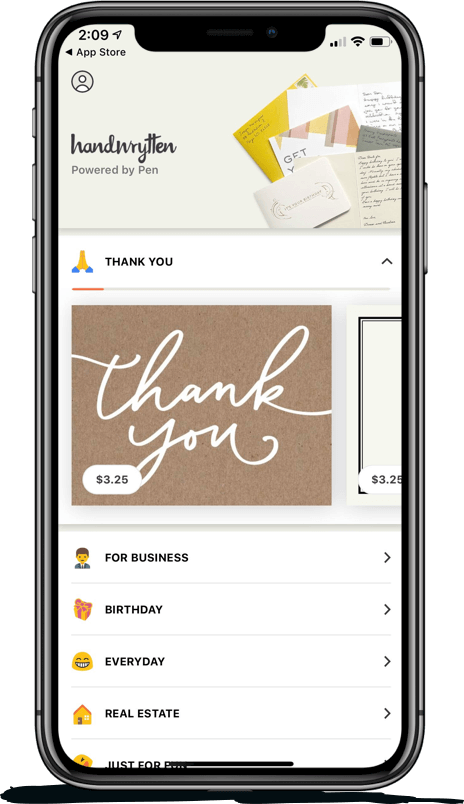
Scale your handwritten outreach, creating positive impressions and long lasting bond.
Sign Up Today!

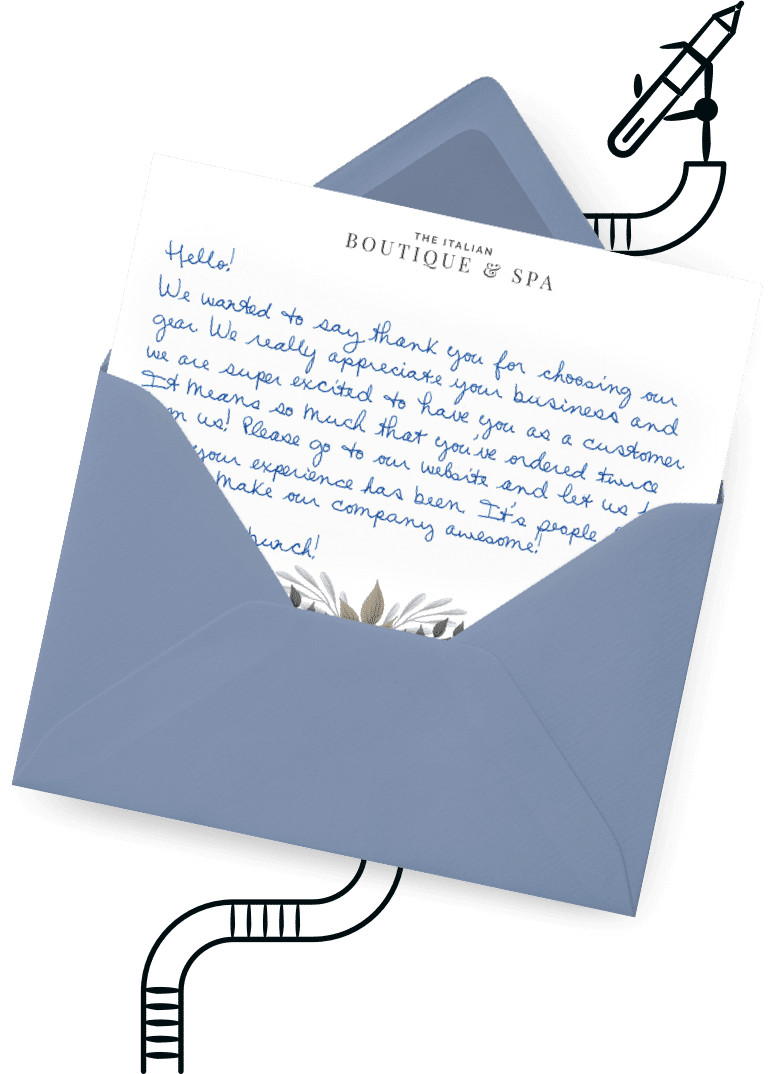

Over 100 designs to choose from or design your own. Our online card customizer makes it simple.
Check Out Our Cards!




Thank you.
