



Medicine heals. How patients feel about the experience determines whether they come back — and who they tell.
Improve patient experience scores and you don’t just satisfy a quality metric — you unlock the referral activity, long-term retention, and practice reputation that drive sustainable growth in modern healthcare. HCAHPS ratings, Google reviews, and word-of-mouth referrals don’t just reflect patient satisfaction. They directly influence practice revenue, physician reputation, and the kind of organic growth that no advertising budget can manufacture.
In an increasingly competitive healthcare landscape, clinical outcomes are the baseline expectation. What differentiates one practice from another in the minds of patients is almost always something less clinical: how cared for they felt, how personally they were treated, and whether anyone followed up after the visit to make sure they were okay.
That’s where most practices leave significant opportunity on the table. The post-visit experience — the window between a patient leaving the office and their next interaction with the practice — is almost universally handled with automated appointment reminders, billing communications, and generic satisfaction surveys. None of which make a patient feel valued. All of which reinforce the perception that the practice sees them as a chart number rather than a person.
A handwritten follow-up note changes that perception entirely. It arrives in a different context, signals a different level of care, and creates the kind of emotional impression that improves patient experience scores, drives referral activity, and builds the long-term loyalty that no clinical protocol alone can generate.
The clinical interaction itself — the diagnosis, the treatment, the procedure — is what patients expect when they walk through the door. Meeting that expectation doesn’t generate loyalty. It generates baseline satisfaction, which is a very different thing.
Loyalty is built in the moments that exceed expectation. And in healthcare, those moments are almost never clinical — they’re relational. A physician who remembers something personal about a patient’s life. A staff member who calls to check in after a difficult procedure. A practice that sends a handwritten note acknowledging a patient’s recovery or celebrating a health milestone.
These are the moments that patients describe when they recommend a practice to a friend. Not the efficiency of the check-in process or the accuracy of the diagnosis — the moments where they felt like a person, not a patient. Patient experience scores, at their core, are measuring exactly that: not clinical competence, but human connection.
Handwritten follow-up notes are one of the most efficient tools available for creating those moments consistently — and for improving patient experience scores across every patient relationship in a practice.
Understanding why handwritten follow-up notes improve patient experience scores requires understanding what they communicate that digital outreach cannot.
A post-visit email from a medical practice is processed by the patient as administrative communication — a survey request, a billing reminder, or a generic wellness message. Even when the content is warm and the intent is genuine, the format carries a signal: this was sent to a list. That signal creates distance between the message and the emotional response it’s trying to generate.
A handwritten note carries the opposite signal. It communicates that someone in the practice — a physician, a nurse, a practice manager — took specific time to acknowledge this patient specifically. That perception, whether the note was written by hand or produced through Handwrytten’s robotic pen-and-ink technology, generates a genuine emotional response that administrative communication never does.
That emotional response translates directly into improved patient experience scores on follow-up surveys, more frequent and more enthusiastic word-of-mouth referrals, stronger long-term retention, and a greater willingness to return to the practice for future care rather than seeking alternatives.
The touchpoints that carry the most weight in patient experience vary by practice type and patient relationship, but several moments consistently produce the strongest impact on patient experience scores across all specialties:
After a new patient visit. The first impression a new patient forms of your practice extends well beyond the appointment itself. A handwritten welcome note arriving within a few days of their first visit signals that the practice values the relationship from day one — not just when a renewal or referral is needed.
“Thank you for choosing our practice for your care. It was a pleasure meeting you, and we look forward to supporting your health for years to come. Please don’t hesitate to reach out if you have any questions.”
After a procedure or significant treatment. Patients who have undergone a procedure — surgical or otherwise — are in a period of heightened emotional vulnerability. A handwritten note checking in on their recovery communicates genuine care in a way that a post-procedure automated email sequence never can.
“We wanted to check in and let you know we’re thinking of you as you recover. Please don’t hesitate to call if you need anything — your comfort and recovery are our priority.”
After a difficult diagnosis or challenging appointment. These are the moments most practices handle with clinical protocols and follow-up scheduling. A handwritten note from the physician acknowledging that the conversation was difficult and expressing genuine support creates an emotional touchpoint that transforms the patient’s perception of the practice — and their patient experience scores — entirely.
“I wanted to personally reach out after our conversation last week. I know it was a lot to take in, and I want you to know that we’re with you every step of the way. Please reach out anytime.”
On patient health milestones. A note acknowledging a patient’s progress — weight loss goal reached, blood pressure normalized, recovery milestone achieved — reinforces positive health behaviors while building the kind of emotional connection that drives long-term retention and improves patient experience scores over time.
“We wanted to take a moment to acknowledge the progress you’ve made — it reflects real commitment and hard work on your part. We’re genuinely proud to be part of your health journey.”
On birthdays and patient anniversaries. A birthday card from a medical practice is unexpected enough to be genuinely memorable. A note marking the anniversary of a significant procedure or treatment milestone acknowledges the patient’s journey in a way that transforms a routine relationship into a lasting one.
After a referral. Patients who refer friends or family to a practice are the most valuable advocates in any healthcare marketing strategy. A handwritten thank you note acknowledging that referral — and expressing genuine gratitude for the trust it represents — reinforces the behavior and deepens the relationship with the practice’s most active promoters.
Different medical specialties have different patient relationship dynamics — and the most effective handwritten outreach is tailored to the emotional context of each.
Primary care practices have the broadest patient relationships and the most touchpoint opportunities. Annual wellness visits, chronic condition management, and long-term patient relationships all provide natural moments for handwritten outreach. The goal is consistent presence — notes that arrive regularly enough to make patients feel genuinely remembered, not just medically managed. Consistent outreach is one of the most reliable ways to improve patient experience scores in a primary care setting.
Dental anxiety is one of the most common barriers to consistent care. A handwritten follow-up note after an appointment — particularly after a procedure that may have been uncomfortable — acknowledges the patient’s experience and reinforces the practice’s commitment to their comfort. Practices that send these notes consistently report measurably higher recall appointment rates and stronger referral activity than those relying solely on automated reminders.
Oncology, cardiology, orthopedics, and other specialty practices work with patients during some of the most emotionally significant periods of their lives. A handwritten note from a specialist — particularly one that acknowledges the specific circumstances of a patient’s care rather than offering a generic check-in — creates a level of personal connection that patients remember and describe to others for years. In specialties where patient experience scores carry the most weight, handwritten outreach delivers the most visible impact.
In pediatric care, the patient experience is largely the parent’s experience. A handwritten note to a parent after a child’s procedure, a challenging diagnosis, or simply a well-visit acknowledges their role in their child’s care and builds the kind of trust that keeps families with a practice for decades.
In mental health settings, the therapeutic relationship is the treatment. A handwritten note from a therapist or practice — sent with appropriate clinical judgment about timing and content — can reinforce the patient’s sense of being genuinely supported between sessions in a way that no portal message or automated reminder replicates.
Handwritten notes in healthcare require the same HIPAA awareness as any patient communication. The practical guidelines are straightforward:
Don’t include clinical details in the note itself. A handwritten note sent through the mail is not a secure communication channel for diagnosis, treatment details, or medication information. Keep the content warm and relational — acknowledgment, appreciation, encouragement — without referencing specific clinical information.
Reference the visit, not the condition. “Thank you for coming in last week” is appropriate. “We hope your treatment for [condition] is going well” is not — particularly if the note might be seen by someone other than the patient.
Use general wellness language. Expressions of care, encouragement, and appreciation that don’t reference specific health conditions are appropriate and effective without creating compliance risk.
Consult your practice’s compliance guidelines. Every practice has different protocols around patient communication. Work within your existing compliance framework when implementing a handwritten outreach program.
The most common objection to handwritten patient follow-up in a medical practice is the obvious one: there isn’t time. Physicians and clinical staff are already operating at or beyond capacity — adding a handwriting workflow to their responsibilities isn’t realistic.
Handwrytten solves that problem without adding a single task to your clinical team’s workload. Using robotic pen-and-ink technology, Handwrytten produces genuinely handwritten cards — real pen on real paper — triggered automatically through CRM or practice management system integrations. A new patient visit triggers a welcome note. A post-procedure milestone triggers a recovery check-in. A patient birthday triggers a warm seasonal greeting. All of it runs in the background, personalized with the patient’s name and a message appropriate to the touchpoint, without anyone on your team writing, addressing, or mailing a single card.
The result is a patient experience program that consistently improves patient experience scores — because the notes themselves feel deeply personal — without requiring the manual effort that would make it unsustainable at any scale beyond a handful of patients per week.
Improved patient experience scores aren’t just a quality metric — they’re a revenue driver. The downstream business effects of a consistent handwritten follow-up program in a medical practice include:
Higher HCAHPS and satisfaction survey scores. Patients who receive personal, thoughtful follow-up after their visits rate their overall experience measurably higher than those who receive only automated communication — regardless of the clinical quality of the care itself.
More referrals from existing patients. Word-of-mouth is the primary driver of new patient acquisition for most practices. Patients who feel genuinely valued refer others actively and enthusiastically — and the handwritten note is one of the most reliable triggers for that referral behavior.
Stronger patient retention. Patients who feel emotionally connected to a practice don’t comparison shop. They return, they stay, and they bring their families. The lifetime value of a retained patient significantly outweighs the cost of the handwritten outreach program that retained them.
Better online reviews. Patients who receive a handwritten follow-up note are significantly more likely to leave a positive online review — and more likely to mention the personal touch specifically, which influences prospective patients reading those reviews and directly impacts patient experience scores in the broader digital landscape.
Reduced no-show and recall rates. Patients who feel valued by a practice are more likely to keep appointments, respond to recall outreach, and engage with preventive care recommendations — all of which improve practice efficiency and revenue.
Are handwritten follow-up notes HIPAA compliant? Yes, when handled appropriately. Keep content warm and relational without referencing specific clinical details, diagnoses, or treatment information. A note that expresses appreciation for a visit and genuine care for the patient’s wellbeing is both effective and compliant. Consult your practice’s compliance guidelines for specific protocols.
How quickly should follow-up notes be sent after a patient visit? Within 24 to 72 hours is ideal for most touchpoints — particularly after new patient visits and post-procedure check-ins. The closer to the appointment, the more relevant and impactful the gesture — and the more effectively it improves patient experience scores on follow-up surveys. Handwrytten’s automation tools make same-day or next-day triggering straightforward.
Can handwritten outreach be automated for a large patient panel? Yes. Handwrytten integrates with practice management systems and CRM platforms, allowing notes to be triggered automatically based on appointment type, patient milestone, or date-based triggers like birthdays. The entire program can run without any manual effort from clinical or administrative staff.
Which specialty practices benefit most from handwritten patient follow-up? All of them — but the impact on patient experience scores is particularly significant in specialties where the emotional stakes are highest: oncology, cardiology, orthopedics, mental health, and pediatrics. In these settings, the gap between clinical competence and emotional connection is widest, and handwritten outreach closes that gap more effectively than any other single tool.
What’s the typical impact on patient experience scores? Results vary by practice type and implementation, but practices that implement consistent handwritten follow-up programs consistently report improvements in satisfaction scores, referral activity, and patient retention. The ROI is most visible when measured over a full year of implementation rather than a single campaign.
Clinical excellence is the entry fee in modern healthcare. Patient experience scores are the competitive advantage. The practices that build genuine emotional connection with their patients — through consistent, personal, thoughtful outreach at the moments that matter most — are the ones whose patients never leave, whose referral pipelines never dry up, and whose satisfaction scores reflect something more than competent care.
A handwritten note costs a few dollars and a few seconds to trigger. What it produces in improved patient experience scores, referral activity, and practice reputation is worth significantly more.
Start Sending → handwrytten.com


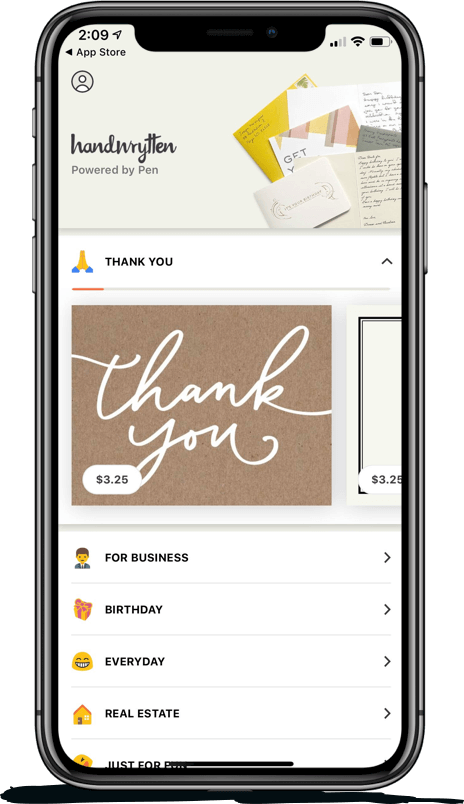
Scale your handwritten outreach, creating positive impressions and long lasting bond.
Sign Up Today!

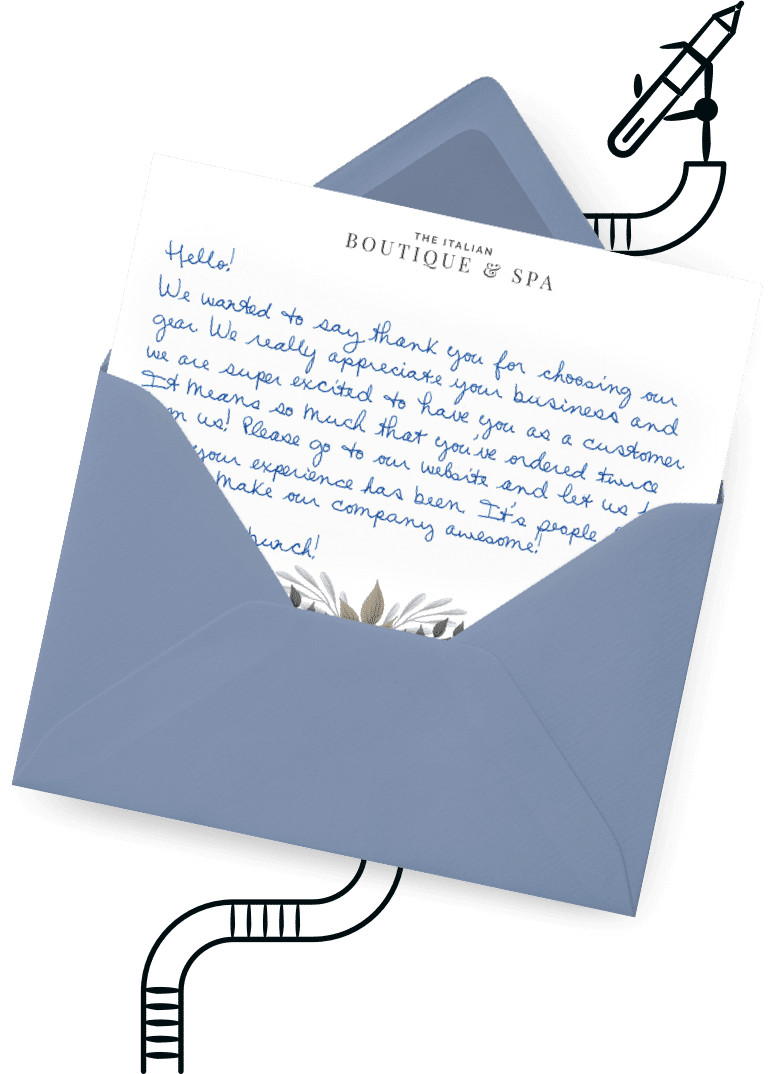

Over 100 designs to choose from or design your own. Our online card customizer makes it simple.
Check Out Our Cards!




Thank you.
