



The visitor who feels genuinely welcomed comes back. The one who doesn’t, doesn’t.
Handwritten notes for churches are one of the most underleveraged tools in faith community outreach — and one of the most powerful when used at the right moments. Every congregation faces the same fundamental challenge: how do you turn a first-time visitor into a returning guest, a returning guest into an engaged member, and an engaged member into a lifelong advocate for the community you’ve built?
The answer isn’t a better website or a more polished welcome video. It’s something far simpler and far more human: a handwritten note that arrives in someone’s mailbox within days of their first visit, telling them that their presence was noticed, that they matter, and that this community would genuinely love to have them back.
In a world where most church outreach happens digitally — email newsletters, social media posts, text message reminders — a physical, handwritten note from a pastor, a ministry leader, or a congregation member creates an impression that no digital touchpoint can replicate. It says: we saw you, we’re glad you came, and you belong here.
That’s the message that builds congregations. And handwritten notes for churches are one of the most reliable ways to deliver it.
The landscape for faith communities has shifted significantly. Attendance patterns have changed. First-time visitors have more options than ever — and higher expectations for the quality of their experience. The window between a visitor’s first attendance and their decision about whether to return is narrow, and what happens in that window determines whether the investment of welcoming them translates into a lasting relationship.
Most churches handle this window the same way: a friendly greeting at the door, perhaps a visitor card, maybe a follow-up email from a staff member. These gestures are genuine — but they’re also expected, and expectation is the enemy of memorable. A visitor who receives the same church outreach experience they’ve received at every other congregation they’ve attended doesn’t have a particular reason to choose this one.
Handwritten notes for churches change that calculation. They arrive in the visitor’s home — in their physical space, not their inbox — as evidence that someone in this congregation took specific time for them specifically. That experience is rare enough in modern church outreach to be genuinely remarkable. And remarkable first impressions are what generate second visits.
Church outreach through handwritten notes is most effective when deployed systematically at the moments that carry the greatest emotional weight in a member’s journey with a faith community.
The highest-leverage moment for handwritten notes for churches is the 24 to 72 hours following a first visit. A note that arrives within this window — warm, personal, and completely free of pressure — communicates genuine welcome at exactly the moment the visitor is forming their impression of the community.
The message doesn’t need to be elaborate. It needs to be real.
“We noticed you joined us this past Sunday and wanted to reach out personally to say how glad we were to have you. Our community is better for your presence, and we’d love to see you again whenever you’re ready.”
That note — arriving in a physical envelope, written in real handwriting — creates a moment that a follow-up email never could. The visitor holds it. They read it carefully. They feel the difference between a mass communication and a personal acknowledgment. And that feeling is what brings them back.
A visitor who returns for a second or third time has demonstrated something meaningful: genuine interest in this community. Acknowledging that interest with a handwritten note — recognizing that they’ve come back and expressing authentic appreciation for their continued presence — deepens the connection at exactly the moment when it’s most malleable.
“We’ve noticed you’ve been joining us the past few weeks and wanted to say how much it means to have you here. We hope you’re finding what you’re looking for, and we’d love to connect whenever you’re ready.”
This is where handwritten notes for churches convert returning visitors into engaged members — by making them feel seen during the period when they’re still deciding whether this community is theirs.
When someone formally joins a congregation — through membership classes, confirmation, baptism, or any other official step — a handwritten note from the pastor or senior leadership marks the occasion in a way that no certificate or public acknowledgment can fully replicate.
“Welcome to our family — officially. This step you’ve taken means more to this community than we can fully express in a single note. We’re honored to have you as a member and committed to making this feel like home.”
The moments in a congregation member’s life that fall outside of Sunday services — a graduation, a new baby, a marriage, a job loss, a health challenge, a bereavement — are the moments when a faith community’s genuine care is most clearly demonstrated or most conspicuously absent.
Handwritten notes for churches that arrive at these moments communicate something that a Sunday morning prayer request never can: that the community is present in the member’s life specifically, not just on the days when they’re physically in the same building.
“We heard about your mother’s passing and wanted to reach out personally. Please know that our entire community is holding you and your family in prayer during this difficult time. We’re here for whatever you need.”
“Congratulations on the new addition to your family — what a blessing. We can’t wait to welcome them into our community and watch them grow up here.”
Every congregation has members who have quietly drifted away — whose attendance has become infrequent or stopped entirely, for reasons that are rarely as permanent as the absence might suggest. A handwritten note of genuine, no-pressure acknowledgment is one of the most effective church outreach tools for reopening that connection.
“It’s been a while since we’ve seen you, and we wanted to reach out simply to say that you’re missed and that the door is always open. No pressure, no obligation — just a community that cares about you and would love to have you back whenever the time feels right.”
That note — arriving without an agenda, without a guilt trip, without anything that feels like institutional pressure — is the kind of church outreach that brings people back. Because it’s the kind of outreach that feels like it comes from people, not programs.
The volunteers and ministry leaders who give their time, energy, and gifts to a faith community are the infrastructure everything else runs on. Acknowledging their specific contributions with handwritten notes for churches — from pastoral leadership — creates the kind of recognition that sustains long-term engagement and prevents the burnout that causes committed members to quietly step back.
“What you bring to this ministry every week doesn’t go unnoticed — by us or by the people whose lives you’re touching. Thank you for your faithfulness and your generosity with your time and gifts. This community is richer for your presence in it.”
The most effective handwritten notes for churches aren’t sent sporadically — they’re part of a systematic church outreach strategy that reaches every meaningful touchpoint in a member’s journey with the community.
A practical framework:
Week 1 after first visit: Handwritten welcome note from the pastor or a pastoral care team member. Warm, personal, no pressure. This is the single most important touchpoint in any handwritten notes for churches program.
Week 3 for returning visitors: A second note acknowledging continued presence and expressing genuine appreciation for their return.
Upon formal membership: A welcome note from senior leadership marking the official step with personal acknowledgment.
Annually: A note marking the member’s joining anniversary — a simple acknowledgment that their commitment to the community is noticed and valued.
At major life milestones: Births, graduations, marriages, losses, health challenges — the moments when the community’s care is most needed and most meaningful.
For volunteers and ministry leaders: Quarterly or semi-annual notes of specific appreciation from pastoral leadership, acknowledging the particular gifts and contributions each person brings.
For lapsed members: A single, warm, no-pressure note acknowledging the absence and leaving the door genuinely open — sent once, without follow-up pressure, as a pure expression of continued care.
Most church outreach happens through the same digital channels that every other organization uses — email, social media, text messages, church apps. These tools are valuable for logistics, announcements, and broad community communication. They’re significantly less effective for the personal, relational moments that actually build congregational belonging.
The reason is simple: the medium communicates before the message does. A text message from a church database communicates efficiency. A handwritten note communicates that a specific person took specific time for a specific individual. That communication happens before the envelope is opened — and it’s the foundation of the emotional impression that determines whether a visitor returns, whether a lapsed member comes back, and whether a longtime volunteer feels genuinely appreciated or quietly taken for granted.
Handwritten notes for churches work because faith is inherently personal — and personal outreach, delivered in a physical format that signals genuine human effort, resonates in a way that digital church outreach simply cannot replicate at the moments that matter most.
The practical challenge with handwritten notes for churches is the same one every organization faces: scale. A small congregation might manage a fully manual handwritten outreach program. A growing church with hundreds of first-time visitors every month cannot — and the moment handwritten church outreach depends on a pastor or staff member finding time to write individual cards, it becomes inconsistent and ultimately unsustainable.
Handwrytten solves that problem without sacrificing the personal quality that makes handwritten notes effective in the first place. Using robotic pen-and-ink technology that produces genuinely handwritten cards — real pen, real paper, real ink — Handwrytten makes it possible to send personalized handwritten notes for churches at any volume, triggered automatically through CRM integrations, with each card personalized for the individual recipient.
A first-time visitor submits a connection card — a handwritten welcome note goes out automatically within 48 hours. A member reaches their five-year joining anniversary — a handwritten acknowledgment arrives without anyone on staff having to track or initiate it. A volunteer completes their hundredth hour of service — a handwritten appreciation note arrives from pastoral leadership without any manual effort from the pastoral team.
Custom handwriting fonts built from a pastor’s actual handwriting mean every note looks like it came directly from the person it’s signed by. Branded stationery ensures every piece reflects the church’s visual identity. And the entire church outreach program runs consistently in the background — reaching every meaningful relationship in the congregation at every meaningful moment — without adding to the already significant workload of pastoral and administrative staff.
First-time visitor: “Thank you for joining us this Sunday — it genuinely meant a lot to have you with us. We hope something about the morning resonated with you, and we’d love to see you again whenever you’re ready. Our door is always open.”
Returning visitor: “We’ve noticed you’ve been with us a few times recently and wanted to say how much we appreciate your presence. We hope you’re finding community here, and we’d love to connect more personally whenever the timing feels right.”
New member: “Welcome to our family. This step you’ve taken is meaningful — to us and to this entire community. We’re committed to making sure you feel at home here, and we’re so grateful you’ve chosen to be part of what we’re building together.”
Volunteer appreciation: “What you bring to this ministry is noticed and deeply appreciated. Your generosity with your time and your gifts makes this community what it is. Thank you — genuinely — for everything you give here.”
Lapsed member: “We’ve missed you and wanted to reach out simply to say that. No pressure, no agenda — just a community that thinks of you and hopes you’re well. Whenever you’re ready, we’d love to have you back.”
Life milestone — new baby: “Congratulations on your newest blessing — what a joyful addition to your family and to our community. We’re so happy for you and can’t wait to meet them.”
Life milestone — bereavement: “We are holding you and your family in our prayers during this difficult time. Please know that this community surrounds you with love and support — now and in the days ahead.”
Why are handwritten notes more effective than email for church outreach? Because they arrive in a different context and signal a different level of intentionality. An email from a church database is processed as institutional communication. A handwritten note is processed as personal acknowledgment — and that distinction is felt before the envelope is opened. Handwritten notes for churches create the kind of impression that makes a first-time visitor feel genuinely welcomed rather than efficiently processed.
How quickly should a church send a handwritten note to a first-time visitor? Within 24 to 72 hours of their first visit is the optimal window. The sooner the note arrives, the more relevant and impactful it feels — and the more it influences the visitor’s decision about whether to return. Handwrytten’s one-to-two business day production window means a note submitted on Sunday evening can arrive by midweek.
Can handwritten church outreach be automated without losing its personal quality? Yes. Handwrytten’s platform produces genuinely handwritten notes — real pen on real paper — personalized for each recipient and triggered automatically through CRM integrations. The automation handles the consistency. The handwriting handles the impression. The result is church outreach that feels personal because it is — just without the manual effort that would otherwise make it unsustainable.
What’s the most important handwritten note a church can send? The first-time visitor follow-up. This is the single touchpoint with the highest leverage in any handwritten notes for churches program — because it arrives at the moment when the visitor’s decision about returning is most open to influence. A warm, personal, pressure-free note in this window consistently produces higher return visit rates than any other church outreach touchpoint.
Can Handwrytten support international or multi-campus churches? Yes. Handwrytten supports international delivery and can serve multi-campus congregations through CRM integrations that route outreach automatically based on campus, service time, or visitor record — ensuring every location maintains the same consistent, personal church outreach experience.
Every congregation that has ever struggled with visitor retention, member engagement, or volunteer burnout has the same underlying challenge: making people feel genuinely seen in a community large enough that individual attention doesn’t happen automatically. Handwritten notes for churches are one of the most reliable solutions to that challenge — personal enough to create real emotional connection, scalable enough to reach every person who needs to feel it.
The visitor who receives a handwritten note comes back. The member who receives genuine appreciation stays. The volunteer who feels specifically recognized keeps giving. That’s the power of a handwritten note — and it’s available to every faith community willing to build it into their church outreach strategy.
Start Sending → handwrytten.com


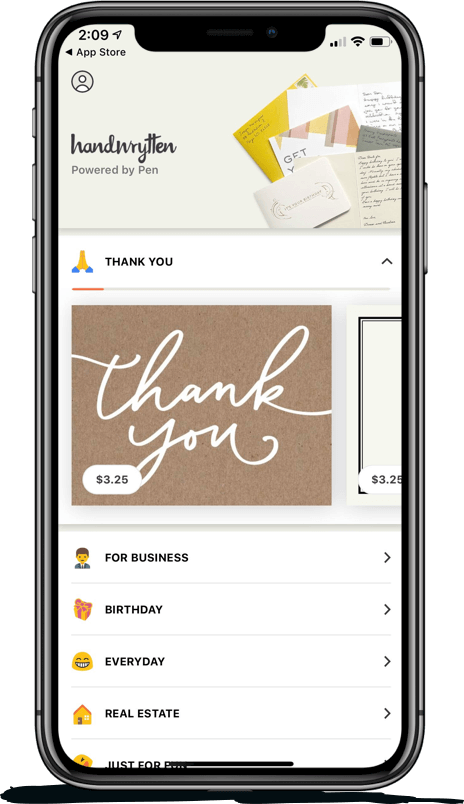
Scale your handwritten outreach, creating positive impressions and long lasting bond.
Sign Up Today!

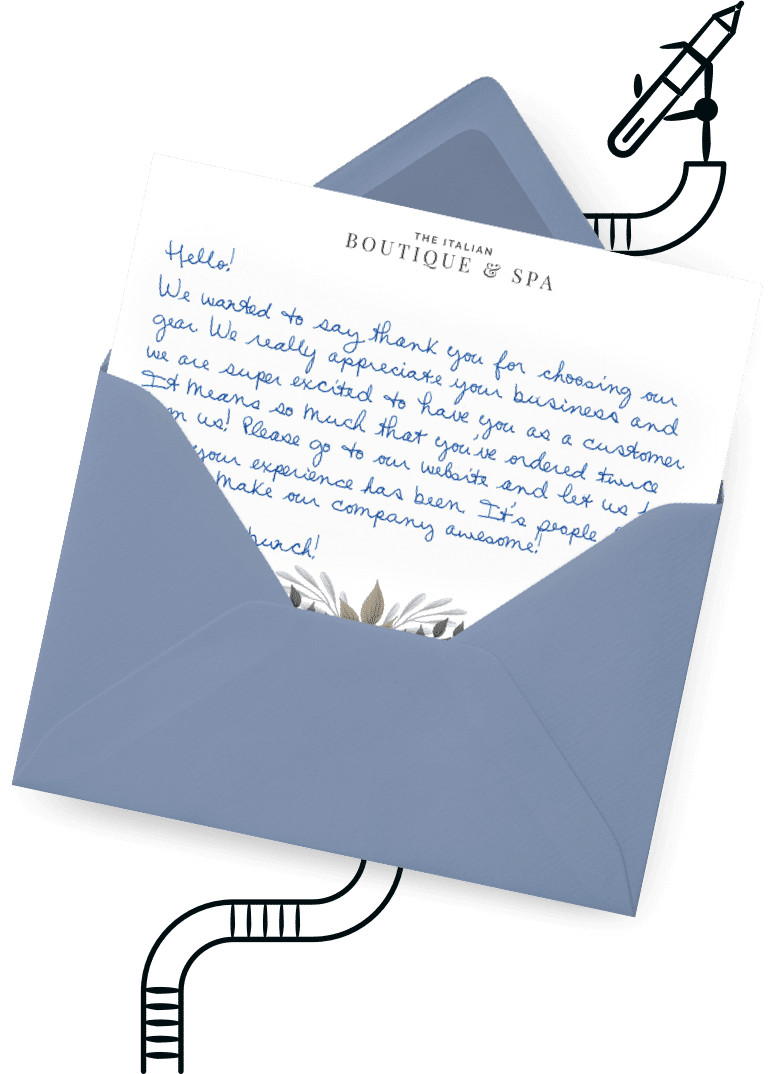

Over 100 designs to choose from or design your own. Our online card customizer makes it simple.
Check Out Our Cards!




Thank you.
