


A handshake closes the moment. A handwritten note closes the relationship.
Follow-up notes are the professional gesture most relationship-driven businesses have quietly dropped, and the one that has always built the most durable client loyalty and the strongest referral networks. There was a time when a handshake deal wasn’t complete until a note arrived, when a personal, handwritten follow-up turned a verbal agreement into a real commitment. That’s no less true today. It’s just less practiced.
The handshake deal stands for a particular kind of trust: two people who looked each other in the eye, sized each other up, and committed on that basis rather than on contract terms alone. It’s the trust that built the most enduring practices in law, finance, and real estate, and it carries client relationships through market downturns, competing offers, and the friction every long-term partnership eventually meets. A handwritten follow-up note reinforces that trust in a way no digital message does.
This guide covers what business follow-up notes say that a handshake can’t, why legal, financial, and real estate professionals who send them consistently build stronger practices, and how to write follow-up notes that deliver on what the handshake promised.
Quick Answer: The most effective follow-up notes are handwritten, sent within 48 hours of the meeting, mention one specific detail from the conversation, and include no sales pitch. Send them after first consultations, new client engagements, major milestones, successful outcomes, and referrals. Set them up as CRM triggers so every important meeting gets a note.
A handshake is a physical gesture of trust: two people committing to something in a shared moment. Its power comes from how immediate and personal it is.
What a handshake can’t do is last. The moment ends, the two people go their separate ways, and the agreement lives only in memory, which fades as every new day brings new impressions. A professional who shook hands on something meaningful on Monday and sent nothing afterward has left the weight of that agreement to the other person’s memory, where it slowly blends in with every other pleasant meeting.
Follow-up notes change that. A note arriving a few days after the handshake carries the feeling of the meeting in something the recipient can hold, reread, and keep. It turns a moment of shared trust into a lasting impression.
A handshake deal without a follow-up note loses the permanence that makes trust durable. A handshake deal with one gets a relationship.
Every professional meeting, however productive or warm, has a gap between what was felt and what was said. A financial advisor who believes in a new client’s future has limited room to say so in a planning meeting. A real estate agent moved by a first-time buyer’s excitement is held back by professional norms. An attorney committed to a client’s outcome works within the limits of a consultation.
Business follow-up notes sit outside those limits. Arriving after the meeting, in a personal format, they can say what the meeting couldn’t. A warm, specific note two days after a first consultation shows the kind of individual care that carries a relationship through the years between big moments.
A professional who sends a handwritten note after every significant meeting signals something no brochure or bio can say as credibly: this person works with deliberate care, values relationships over transactions, and puts in the effort real relationships take. For more on timing those notes, see our Q1 follow-up strategy.
In law, finance, and real estate, where clients often choose a professional based on character and trust as much as credentials, that signal is worth more than most advertising.
Follow-up notes create a physical keepsake of the relationship. A note from a trusted attorney on a client’s desk keeps that attorney present in a way an email in a folder can’t. A note from a financial advisor kept in a client’s files becomes a tangible record of the relationship. A note from a real estate agent saved after closing becomes part of the memory of one of the biggest purchases of the client’s life. We explore why that matters in the power of handwritten notes.
For attorneys, the client relationship rests on a particular kind of trust: handing someone a matter of deep personal or professional importance. A note after a first consultation, a major development, or a successful outcome shows the individual investment that sustains that trust through the hard parts of representation. For more, see our guide to handwritten notes for law firms.
After a first consultation: “[Name], thank you for sharing the details of your situation with me. The trust that takes is something I don’t take lightly, and I want you to know your matter has my full, individual attention. I’m committed to the best possible outcome and grateful for the chance to represent you.”
“[Name], it was a privilege to meet with you. A legal matter this important deserves more than competent representation. It deserves an attorney who’s invested in your outcome. I am. Thank you for trusting me with this.”
After a successful outcome: “[Name], we reached the outcome we worked toward together, and I wanted to mark the moment with something more personal than a case closure letter. It’s been a privilege to represent you, and the relationship doesn’t end with the matter. I’m here for anything you need, now or in the future.”
After a referral: “[Name], thank you for referring [referred client] to our firm. A referral from a client like you is the highest compliment we receive, because it shows trust in our character as well as our work. We’ll take excellent care of them. Thank you.”
For real estate attorneys after a closing: “[Name], congratulations on closing on [property]. It was a pleasure to guide you through the legal side of this transaction, and I wanted to mark the occasion with something more memorable than a closing statement. Please reach out for anything. This closing is the beginning of our relationship, not the end.”
For financial advisors, the follow-up note may be the most valuable relationship tool there is, in a profession built entirely on trust. The clients who stay through volatile markets, refer colleagues and family, and build multi-generational relationships are usually the ones who feel most valued at the moments that matter. Our guide to financial advisor handwritten notes covers the full program. As with any client communication, have compliance review your templates before you send.
After a first meeting: “[Name], thank you for sharing your financial picture and your goals with me. That kind of openness takes trust, and I take the responsibility seriously. I’m committed to your financial future, and I look forward to earning your continued confidence at our next conversation.”
“[Name], our conversation about your [specific goal] has stayed with me. The clarity of your vision for your future is motivating, and I’m looking forward to building the plan to get you there. Thank you for your trust.”
After a stretch of market volatility: “[Name], I wanted to reach out personally after the recent market turbulence rather than waiting for our next review. I’m keeping a close eye on your plan, and I’m here for any conversation you’d like to have. Mostly, I wanted you to know I think about my clients individually during times like these.”
After a major milestone: “[Name], [retirement/milestone] is the result of years of disciplined planning and real commitment to the future you wanted. It’s been a privilege to be your advisor along the way. Enjoy every day of what’s ahead. You’ve built something worth enjoying.”
After a referral: “[Name], thank you for referring [referred client] to me. I know how much your reputation means to you, and putting it behind a referral to my practice is a compliment I take seriously. I’ll take excellent care of them. Thank you for your trust.”
For real estate agents and brokers, follow-up notes sustain the referrals, repeat business, and past-client loyalty that shape long-term production. The clients who refer neighbors and come back for their next move are usually the ones who felt personally acknowledged along the way. For more, see our guide to real estate agent handwritten notes.
After a first buyer consultation: “[Name], thank you for sitting down with me to talk about your home search. Finding the right home is one of the biggest decisions you’ll make, and I take seriously the responsibility of guiding you through it. I’m excited about what we’re going to find together.”
After a listing appointment: “[Name], thank you for inviting me into your home and considering me to represent your sale. That’s trust I work hard to earn, and your property will get my full attention throughout the process. I’m honored to represent you.”
After a closing: “Welcome home, officially. Closing on [address] deserves more than a transaction summary. It’s been a privilege to represent you, and my role as your real estate resource doesn’t end at the closing table. I’m here for anything, now and for every move ahead.”
On the home anniversary: “[Name], one year ago today we closed on [address], and I wanted to mark the anniversary with something more memorable than a market update. I hope the first year has been everything you hoped for. I’m always here for any real estate questions, and I’m grateful for the relationship we built along the way.”
After a referral: “[Name], thank you for sending [referred client] my way. A referral from a client like you is the highest compliment in this business, because it puts your reputation behind my work. I’ll take excellent care of them. Thank you for everything.”
A note sent within 48 hours of the meeting shows you were thinking about the person right after you met, which is exactly the feeling that keeps the handshake alive. A note sent two weeks later says you got around to it eventually. Sending within two days says it was a priority. With Handwrytten, notes typically ship within one to two business days of your send date, then travel by USPS, so a note sent the day after a meeting usually arrives within about a week.
The most effective follow-up notes include at least one specific reference: a topic you discussed, a concern they raised, a goal they shared, or a moment that stood out. That detail proves you were paying attention and that the note was written for them, not pulled from a template.
Even if compliance reviews your templates, the note should still sound like you: warm, specific, and written by a real person who values the relationship, not a formal courtesy letter.
A follow-up note with a service pitch, a promotion, or a call to action turns a relationship gesture into a sales message, and the trust the note was meant to build disappears. Keep every note focused on the person and the relationship. The business that follows comes from the relationship, not from an ask in the note.
A follow-up note in real pen and ink makes a very different impression than the same words in an email, because it reflects the same values as the handshake it follows: individual care, relationships over efficiency, and the willingness to put in real effort.
Handwrytten’s handwriting robots write every follow-up note with a real pen on real paper, personalized for each recipient. Notes can be triggered automatically through Salesforce, HubSpot, and other CRMs, so every handshake gets the follow-up it deserves without anyone writing by hand.
The professionals with the most durable practices don’t send follow-up notes only when they remember. They set things up so every significant meeting, new client, milestone, and referral gets a handwritten note automatically.
How quickly should follow-up notes be sent after a meeting? Within 24 to 48 hours, while the meeting is still fresh. Handwrytten notes typically ship within one to two business days of your send date, then travel by USPS, so a note sent right after a meeting usually arrives within about a week, well ahead of the point where it would feel like an afterthought.
Should follow-up notes be handwritten or typed? Handwritten, whenever the relationship is worth investing in. A handwritten note reflects the same values as the handshake: individual care and real effort. Typed messages are fine for routine correspondence. Handwritten follow-up notes are for the relationships worth building.
What’s the most important part of a follow-up note? Specificity. One real detail from the meeting shows you were paying attention to this person, and it turns a warm but generic note into one that’s truly individual.
Can follow-up notes be automated without losing authenticity? Yes. Handwrytten triggers notes from your CRM, personalizes each one, and writes it with a real pen on real paper. Automation handles the consistency, and the real handwriting makes the impression.
Which professions benefit most from follow-up notes? Any profession where trust is the main currency: law, financial services, real estate, insurance, healthcare, and any practice where clients choose based on the professional’s character and commitment.
The handshake deal is a promise. Follow-up notes are what make that promise feel permanent, turning a moment of mutual trust into an impression clients carry through every later conversation, every competing offer, and every moment they decide whether the relationship is worth continuing.
The professionals who build the most enduring practices understand that the handshake isn’t the end of building trust. It’s the beginning, and what happens in the 48 hours after it decides whether that trust lasts for one transaction or a lifetime.
Send the note. Build the relationship. Keep the client.
Start Sending → handwrytten.com


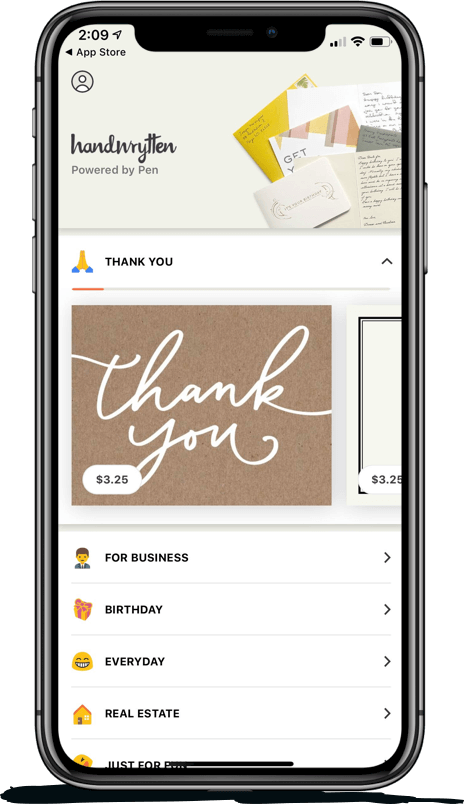
Scale your handwritten outreach, creating positive impressions and long lasting bond.
Sign Up Today!

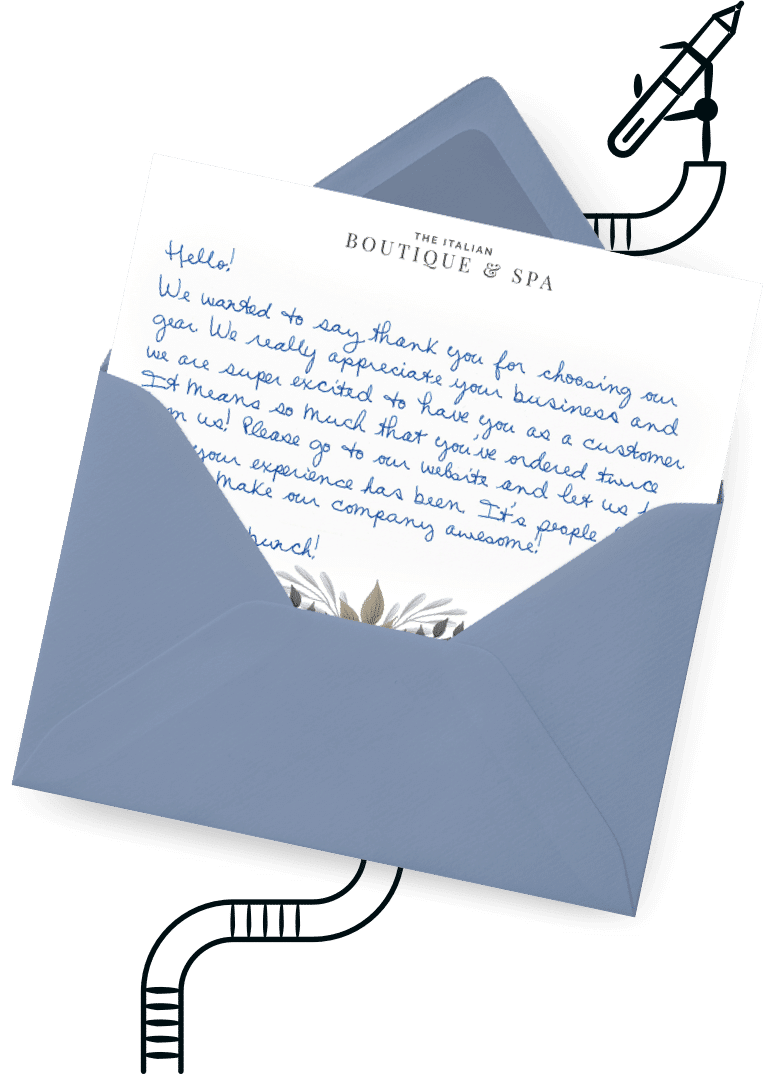

Over 100 designs to choose from or design your own. Our online card customizer makes it simple.
Check Out Our Cards!




Thank you.
