



The clients who stay longest aren’t the ones who got the best price. They’re the ones who felt most genuinely valued.
Client appreciation strategies are the systematic investment in client relationships that most businesses intend to make and almost none make consistently — and the investment that produces the most durable loyalty, referral activity, and lifetime client value of any marketing or retention program available. Most organizations spend the overwhelming majority of their relationship-building budget on acquisition — the campaigns, the advertising, the prospecting sequences designed to bring new clients in — while spending almost nothing on the systematic cultivation of the existing client relationships that sustain the business through competitive pressure, market fluctuations, and the inevitable friction of long-term professional partnerships.
The math behind this imbalance is consistently unfavorable. Acquiring a new client costs five to seven times more than retaining an existing one. A five percent increase in client retention produces a twenty-five to ninety-five percent increase in profitability across most business categories. And the clients most likely to generate referrals — the organic growth channel that produces the highest-quality new client leads at the lowest acquisition cost — are almost always the ones who feel most specifically and individually valued by the businesses they support.
Client appreciation strategies are what create that felt sense of individual value — systematically, consistently, and in the formats that communicate genuine individual care rather than institutional warmth. This guide covers the most effective client appreciation strategies available, the specific messages and touchpoints that produce the strongest loyalty outcomes, and how to build a program that runs consistently regardless of how full the operational calendar is.
The fundamental insight behind effective client appreciation strategies is that client loyalty is an emotional outcome rather than a rational one. Clients don’t stay with organizations because those organizations are objectively the best option available — they stay because they feel genuinely valued, individually seen, and personally connected to the organization in a way that makes switching feel like losing a relationship rather than changing a vendor.
That emotional outcome is not produced by product quality alone, however excellent. It’s not produced by competitive pricing, however favorable. And it’s not produced by digital communication, however personalized its subject line claims to be. It’s produced by the specific, individual, genuine gestures of acknowledgment that communicate — in a format that requires real investment to produce — that this specific client is valued as a person rather than managed as an account.
Handwritten notes are the client appreciation strategy that creates this emotional outcome most reliably — because the physical format signals individual effort before the envelope is opened, arrives in a channel with almost no competitive noise, and creates a tangible object the client holds and reads with a quality of attention that no digital communication ever produces at the same depth. Every other client appreciation strategy in this guide works. The handwritten note is the one that creates the impression that makes all the others land more powerfully.
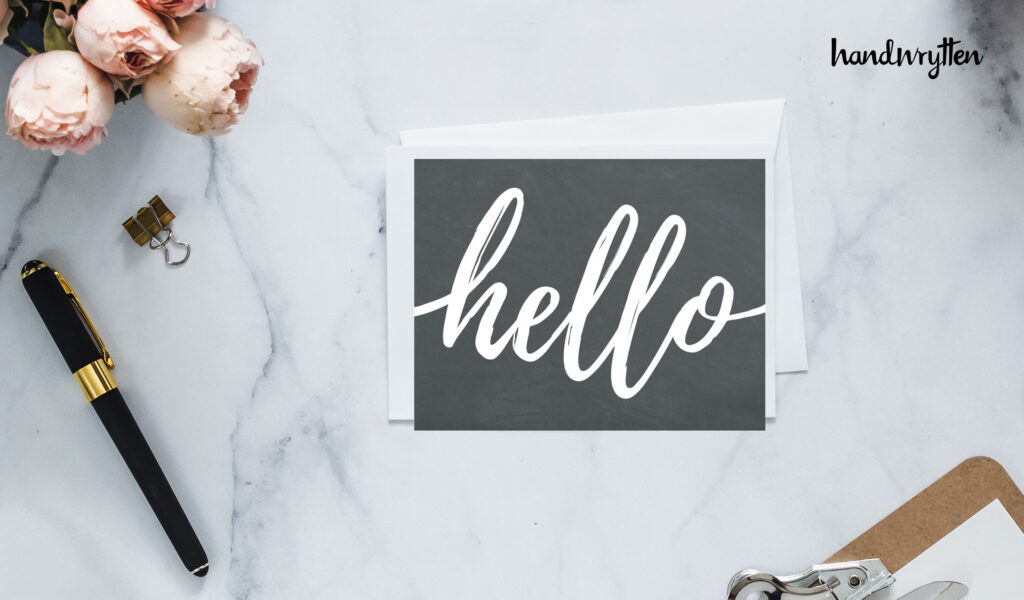
The most fundamental and most consistently high-return client appreciation strategy is the handwritten thank-you note — arriving in genuine pen-and-ink handwriting, on premium card stock, at a meaningful moment in the client relationship, with no commercial agenda beyond genuine individual acknowledgment.
The handwritten thank-you is effective across every client relationship type and every industry context — because the format communicates individual care that no digital alternative achieves at the same emotional depth. A client who receives a genuine handwritten thank-you note from a business they work with has a specific, memorable experience that sustains their loyalty through competitive approaches, pricing pressures, and the inevitable friction of long-term professional relationships.
When to send handwritten thank-you notes:
Sample messages:
After a first engagement:
“[Name] — thank you for choosing us for [specific project/purchase]. The trust that represents is something we take seriously, and we’re committed to earning it every day of our work together. We’re genuinely glad you’re here.”
After project completion:
“[Name] — [project] is complete, and we’re proud of what we built together. Thank you for the trust, the engagement, and the quality of partnership you brought to every step of the process. We look forward to everything ahead.”
No-occasion appreciation:
“[Name] — no particular occasion for this — just a genuine moment of appreciation for one of our most valued client relationships. Thank you for your continued trust. It means more than we express often enough.”
The second of the most effective client appreciation strategies is the systematic acknowledgment of client relationship milestones — the anniversary of the first engagement, the completion of a significant project, the reaching of a loyalty threshold, or any other milestone that represents meaningful progress in the client relationship.
Milestone acknowledgment communicates that the organization tracks these moments because the relationship matters — not because a commercial trigger fired. A client who receives a handwritten anniversary card on the exact date of their first engagement with an organization experiences the individual attention that sustains loyalty through the years between major commercial interactions.
Sample milestone messages:
One-year anniversary:
“[Name] — one year of partnership, and we’re genuinely grateful for every month of it. Thank you for the trust you’ve placed in us and for the relationship we’ve built together. Here’s to everything the next year holds.”
Three-year milestone:
“Three years — and we value this relationship more now than when it began. Thank you for the continued trust and for choosing to stay through everything those years have included. We’re proud of what we’ve built together.”
Significant purchase milestone:
“[Name] — your loyalty to [Brand] over [timeframe] is something we’ve noticed and something we’re genuinely grateful for. Thank you for the continued trust. It sustains everything we do.”
One of the most strategically impactful client appreciation strategies is the systematic deployment of seasonal outreach outside the December holiday window — specifically in the September-through-November period when the professional mailbox is essentially empty of personal business outreach.
A Thanksgiving card arriving in the third week of November, a Halloween card arriving in late October, or a fall appreciation note arriving in September creates the individual impression that December holiday cards — however beautifully executed — share with twenty competing pieces of mail. The client who receives a genuine handwritten card from a business partner in October enters December already feeling individually acknowledged — which means the December card reinforces an existing warm relational impression rather than trying to create one from a standing start.
Sample seasonal messages:
Fall no-occasion:
“[Name] — fall felt like a good moment to reach out and say thank you — for your trust, your partnership, and everything this relationship has included. No agenda here — just genuine appreciation from people who value this connection. Looking forward to a strong Q4 together.”
Thanksgiving:
“Happy Thanksgiving, [Name] — before the holiday season gets loud, we wanted to reach out personally to say thank you. For your continued trust, your loyalty, and the relationship we’ve built. Wishing you and yours a wonderful holiday.”
New year:
“Happy New Year, [Name] — as we move into [year], we wanted to reach out personally to say how grateful we are for the partnership we’ve built and how excited we are about everything the year ahead holds for us together.”
The fourth of the most effective client appreciation strategies is the systematic birthday acknowledgment — a handwritten birthday card arriving in the client’s personal mailbox on or near their birthday, communicating individual care for the person behind the professional relationship in the format that creates the strongest felt impression of being specifically seen and valued.
Birthday acknowledgment is particularly powerful in professional relationship contexts because it communicates something that no business communication usually communicates: that the organization values the client as a human being whose personal milestones matter, not just as an account whose commercial milestones are tracked. A client whose financial advisor, insurance agent, real estate professional, or service provider sends a genuine handwritten birthday card has a specific story about that professional that sustains the relationship through competitive approaches and pricing pressure.
Sample birthday messages:
“Happy Birthday, [Name] — we didn’t want this one to get lost in the notification pile. From everyone at [Company], wishing you a wonderful day and a remarkable year ahead. Thank you for being part of our story.”
“[Name] — birthdays are worth acknowledging with more than an automated email. Happy Birthday from our whole team. We hope this year brings you everything you deserve.”
“Happy Birthday, [Name] — a genuine note from people who genuinely appreciate having you as a client. Wishing you a day as wonderful as the loyalty you’ve shown us.”
When a client refers someone new to a business — the highest possible expression of trust and satisfaction available in any client relationship — that referral deserves immediate, specific, physical acknowledgment. A genuine handwritten thank-you arriving within 24 hours of receiving a referral communicates the individual gratitude that sustains ongoing referral behavior more reliably than any referral incentive program.
Referral acknowledgment is one of the highest-return client appreciation strategies available — because it directly acknowledges the behavior that generates the highest-quality new client leads while communicating the individual appreciation that sustains ongoing referral activity.
Sample referral acknowledgment messages:
“[Name] — thank you for referring [referred client name] to us. A referral from a client like you is the highest compliment we receive — and I want you to know I take it seriously. We’re going to take excellent care of them. Thank you.”
“Thank you for thinking of us when [referred client] needed [service]. The trust that a referral represents is something we genuinely value — and yours means more than I can adequately express in an email. Which is why I’m not using one.”
“[Name] — we heard you sent someone our way, and we wanted to reach out personally to say thank you. Every client who comes to us through someone they trust arrives with a different quality of relationship. That starts with you. We’re deeply grateful.”
The post-purchase or new client onboarding moment is one of the highest-impact client appreciation strategy opportunities available — because it arrives at the peak of new client emotional receptivity, when the positive feelings of the new relationship are freshest and the impression created by a genuine individual gesture is most disproportionately strong.
Most organizations handle this moment with an onboarding email sequence and a documentation packet. A genuine handwritten welcome card arriving two to three days after the first engagement begins creates the first unexpected gesture of individual acknowledgment that long-term client loyalty is built on.
Sample onboarding messages:
“Welcome — and thank you for choosing us. The trust that decision represents is something we think about seriously, and we’re committed to earning it every day of our work together. We’re genuinely glad you’re here.”
“[Name] — it’s official, and we’re genuinely excited. Thank you for giving us the opportunity to earn your trust. We’re here for anything you need as we get started.”
“Thank you for choosing [Company] — we don’t take that decision lightly, and we’re committed to making sure you feel that in every interaction ahead. Welcome to the [Company] family.”
The most powerful of all client appreciation strategies — and the one that most organizations never deploy — is the no-occasion appreciation note: a genuine handwritten card arriving with no commercial trigger, no seasonal hook, and nothing driving it except authentic individual acknowledgment of the client relationship.
The no-occasion note is the most disarming communication available in any professional relationship context — because it arrives without any of the contextual triggers that clients use to categorize professional outreach as marketing, renewal management, or seasonal obligation. It communicates pure individual care — and that quality of pure, agenda-free acknowledgment is what creates the deepest and most durable loyalty impressions available in any client appreciation strategy.
Sample no-occasion messages:
“[Name] — no particular occasion for this, just a genuine moment of appreciation for a relationship we value. Thank you for your continued trust. It means more than the day-to-day usually creates space to say.”
“Just a note to say we think about the clients who make this work meaningful — and you’re one of them. Thank you for your continued partnership. We’re grateful for you.”
“[Name] — we don’t say it often enough, so we’re saying it now: thank you. For your loyalty, your trust, and the relationship we’ve built. It matters to us — genuinely.”
Client appreciation strategies that pair a genuine handwritten note with a thoughtful addition — a gift card, a seasonal treat, a branded item — create a complete appreciation experience that elevates the gesture from a warm card into a memorable moment.
The key principle is that the addition should feel like a genuine gift rather than a promotional insert — modest, specifically chosen, and completely free of commercial messaging. A coffee shop gift card paired with a handwritten “enjoy a morning on us” communicates genuine individual thoughtfulness. The same gift card paired with a product promotion communicates marketing with a gift attached.
Handwrytten’s platform supports gift card inclusions at checkout — making it operationally simple to pair any handwritten client appreciation card with a tangible addition at any volume.

The difference between organizations that occasionally send thoughtful client appreciation gestures and those that consistently build the loyalty that sustains long-term business growth is systematization — the deliberate infrastructure that ensures every important client relationship receives genuine individual acknowledgment at every meaningful moment throughout the year.
Touchpoint mapping. Identify every key moment in the client relationship lifecycle where a handwritten card would create a strong impression — onboarding, anniversaries, seasonal moments, birthdays, referrals, project completions, no-occasion checkpoints. Map each to a specific CRM trigger.
Message template development. Develop message frameworks for each touchpoint category — specific enough to feel genuine, flexible enough to be personalized with the client’s name and relationship context through dynamic fields.
CRM integration through Handwrytten. Handwrytten’s integrations with Salesforce, HubSpot, Shopify, Zapier, and other platforms allow client appreciation strategies to be executed automatically at every mapped moment — each card produced in genuine pen-and-ink handwriting, personalized for the individual client, and mailed without any manual effort from the team.
Measurement. Track retention rates, referral activity, and repeat purchase behavior among clients who received systematic handwritten outreach versus those who received only digital communication. The correlation between genuine individual appreciation and these outcomes is consistently measurable in organizations that track them.
For law firms, financial advisors, accounting practices, and consulting organizations — client appreciation strategies should focus on the relationship moments that sustain trust through the long periods between active engagements: anniversary cards, milestone acknowledgments, seasonal outreach, and the no-occasion appreciation note that arrives when nothing commercial is driving it.
For real estate agents and teams — client appreciation strategies should include post-close welcome cards, one-year home anniversary acknowledgments, seasonal farm outreach, and referral thank-you cards that arrive within 24 hours of receiving a referral.
For healthcare practices and wellness businesses — client appreciation strategies should focus on the personal relationship moments: birthday acknowledgments, new patient welcome cards, post-appointment follow-ups, and seasonal check-ins that communicate ongoing care for the person behind the patient record.
For e-commerce brands and retailers — client appreciation strategies should include post-purchase thank-you cards, loyalty milestone acknowledgments, birthday cards, and seasonal appreciation outreach that creates physical brand presence in a purchasing relationship that otherwise exists entirely online.
For nonprofits and development organizations — client appreciation strategies in the donor relationship context should include first-gift acknowledgments, milestone giving recognition, anniversary cards, and the no-occasion appreciation notes that communicate genuine gratitude for donor loyalty independently of any upcoming campaign.
What is the most effective client appreciation strategy for building loyalty?
The no-occasion handwritten appreciation note — arriving with no commercial trigger and communicating pure individual acknowledgment — consistently produces the strongest loyalty impressions because it arrives with the least commercial context and the most genuine individual care. Combined with systematic milestone acknowledgment and seasonal outreach, it creates the cumulative relational presence that sustains long-term client loyalty.
How often should client appreciation outreach be sent?
Four to six genuine touchpoints per year represents the optimal frequency for most client relationships — enough to establish a pattern of consistent individual acknowledgment without creating a volume that feels overwhelming. A welcome card, two to three no-occasion or seasonal notes, a birthday card, and a year-end appreciation note create a natural annual rhythm that communicates ongoing investment in the relationship.
Should client appreciation cards include promotional content?
No — the impression that makes client appreciation strategies effective is their agenda-free quality. Any promotional content — an offer, a renewal reminder, a cross-sell — signals that the appreciation was instrumental rather than genuine. Keep every client appreciation touchpoint entirely focused on genuine individual acknowledgment.
Can client appreciation strategies be automated without losing authenticity?
Yes. Handwrytten’s platform produces genuinely handwritten cards — real pen on real paper — triggered automatically through CRM integrations, with each card personalized for the individual client. The automation handles the consistency and scale. The genuine handwriting handles the impression.
What’s the ROI of systematic client appreciation strategies?
The most direct ROI metrics are retention rate comparison between clients who received systematic handwritten outreach and those who didn’t, referral activity from appreciation outreach recipients, and lifetime value analysis across the same segments. Organizations tracking these metrics consistently find that the lifetime value of clients who received genuine handwritten appreciation significantly exceeds that of those who received only digital communication.
Client appreciation strategies aren’t a soft customer service investment — they’re a systematic business growth program that produces the specific outcomes every organization depends on: loyalty that sustains through competitive pressure, referral activity that generates new business without acquisition cost, and the professional reputation that makes an organization the first recommendation when someone in a client’s network needs what you provide.
The clients who stay longest aren’t the ones who got the best price. They’re the ones who felt most genuinely valued — specifically, consistently, and in the formats that communicate individual care most powerfully.
Build the program. Send the cards. Make every client feel genuinely seen.
Start Sending → handwrytten.com
Editor’s note: This article was revised in July 2026


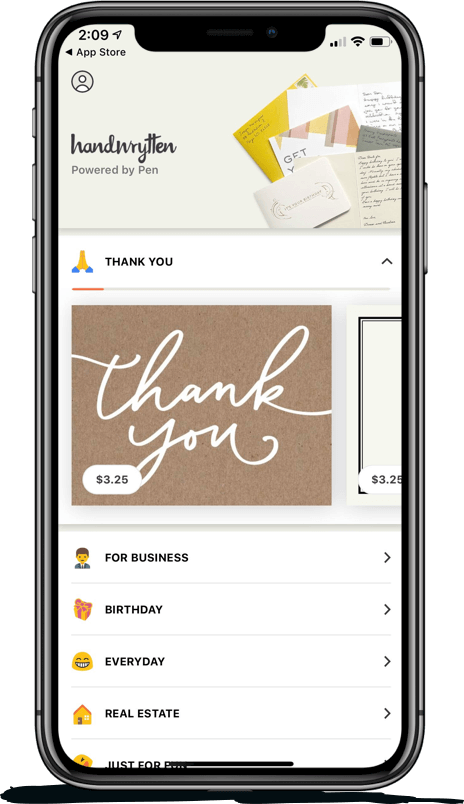
Scale your handwritten outreach, creating positive impressions and long lasting bond.
Sign Up Today!

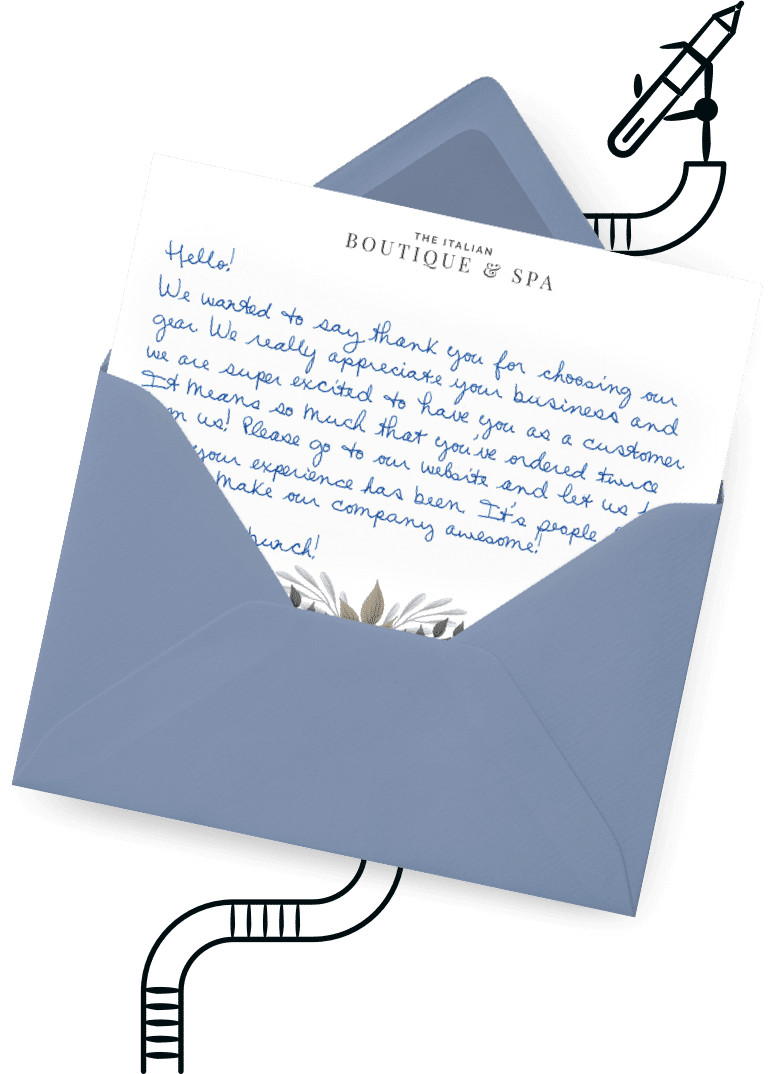

Over 100 designs to choose from or design your own. Our online card customizer makes it simple.
Check Out Our Cards!




Thank you.
