


Most Giving Tuesday campaigns are forgotten by Wednesday. The ones donors remember arrived in a mailbox, not an inbox.
Giving Tuesday cards are the most underused tool in nonprofit fundraising, and the one most likely to turn a single-day donation spike into a year of donor loyalty. Every nonprofit with an email list runs a Giving Tuesday campaign, and most look the same: a countdown clock, a matching gift announcement, a run of increasingly urgent subject lines, and a donate button.
The organizations that break through aren’t the ones with the biggest lists or the slickest digital campaigns. They’re the ones that show up where nobody else is, in the physical mailbox, with something that says we see you instead of give now.
A handwritten Giving Tuesday card arrives before the noise begins. It gives the donor something to hold and keep, and it tells them the organization sees them as a person, not a line in a fundraising dashboard. That impression is what turns first-time givers into recurring donors, brings lapsed supporters back, and builds the loyalty that carries a mission through every giving season that follows.
This guide covers how to build a Giving Tuesday donor outreach program around handwritten cards: when to send, what to write before, during, and after the day, and how to do it at scale without adding work for your team. For the bigger picture of donor stewardship, see our guide to handwritten notes for nonprofits.
Quick Answer: The most effective Giving Tuesday cards are sent before Giving Tuesday arrives — acknowledging the donor’s past support, communicating genuine gratitude, and building the individual connection that makes giving again on Giving Tuesday feel natural rather than transactional. A handwritten card arriving three to five days before Giving Tuesday creates the individual impression that makes every subsequent digital touchpoint land better.
The most effective Giving Tuesday cards arrive in the three to five days before Giving Tuesday. They thank the donor for past support, include no ask, and make the giving-day email feel personal rather than transactional. Plan to submit your order about two weeks before Giving Tuesday, then follow up with a handwritten thank you card within a week of each gift.
Giving Tuesday is the most digitally crowded fundraising day of the year. Every nonprofit is competing for the same inbox on the same day, so the average donor sees a wall of urgent subject lines, a flood of social posts, and the same donate button everywhere they look.
A handwritten Giving Tuesday card works in a completely different space. It lands in the physical mailbox, the one channel giving-day campaigns almost never reach, at a moment when the donor’s attention isn’t divided. It’s something they hold, read, and often keep. And it says something no mass email can, however well personalized: this organization took the time to acknowledge me.
The psychology behind it is reciprocity, the human impulse to answer genuine appreciation with generosity. We dig into how that works in the reciprocity effect. A donor who receives a sincere handwritten thank you before Giving Tuesday is ready to give again, not because of urgency or a matching deadline, but because the organization showed their last gift mattered. That kind of motivation is what produces recurring giving.
Giving Tuesday cards work in three windows: before, on, and after the day. Each one does a different job and calls for a different message.
The highest-impact card arrives before Giving Tuesday. Timed to land three to five days ahead, it thanks the donor for past support, builds warmth before any ask, and puts your organization in their mind before the inbox flood begins.
This card should contain no ask. No donate link, no matching gift, no urgency. It works precisely because the appreciation has no agenda. Your email campaign makes the ask. The card creates the context that makes the ask land.
For a recurring donor: “[Name], as Giving Tuesday approaches, we wanted to reach out before the campaign noise begins to say something simple: thank you. Your steady support of [Organization] has made [specific impact] possible. We’re grateful for you, not just for what you give, but for the commitment it represents.”
For a major donor: “[Name], before Giving Tuesday fills everyone’s inbox, we wanted to send something more personal than a campaign email. Your gift this year made [specific outcome] possible. That is no small thing, and we wanted you to hear it directly.”
For a lapsed donor: “[Name], we’ve been thinking about you as Giving Tuesday approaches. Your support in [year] made a real difference: [specific impact]. We’d love to reconnect and share what’s happened since. No ask, just a genuine hello from people who remember what your generosity made possible.”
For last year’s first-time Giving Tuesday donor: “[Name], one year ago on Giving Tuesday, you made your first gift to [Organization]. We wanted to mark that anniversary with something more personal than an email, because trusting us with that first gift meant a great deal. Here’s what your support helped make possible this year.”
The day-of card is timed to arrive on Giving Tuesday itself, when every other nonprofit is competing for the donor’s digital attention. It works best for major donors, board members, and your most committed recurring supporters.
To aim for day-of arrival, submit your order about seven to ten days before Giving Tuesday. Standard USPS delivery can’t be guaranteed to the day, so for your most important relationships, consider the expedited UPS shipping upgrade at checkout.
For a major or leadership donor: “[Name], today is Giving Tuesday, and while inboxes are full of campaign emails, we wanted to reach out in a way that matches how much we value you. What you’ve made possible at [Organization] is [specific impact]. If today feels like the right moment to renew that partnership, we’d be honored. If not, this note stands on its own as our thanks.”
For a board member: “[Name], on the day our whole organization is focused on the campaign, we wanted to thank you for something that never shows up in a donation total: the time, care, and commitment you bring to this mission every day.”
The post-Giving Tuesday thank you card is the most neglected and highest-return card of the three. Every Giving Tuesday donor gets an automated email receipt. Almost none get a handwritten thank you in the days that follow.
A warm, specific card with no further ask, arriving within a week of the gift, is what turns a one-time Giving Tuesday donation into an ongoing relationship. For more wording ideas, see our donation thank you letter examples.
For a new donor: “[Name], thank you for your gift on Giving Tuesday. On a day full of campaigns competing for your attention, you chose [Organization], and that means more than a receipt email can say. Your gift will make [specific impact] possible. We’re glad you found us.”
For a returning donor: “[Name], thank you for showing up again this Giving Tuesday. Your continued support is something we never take for granted. Because of you, [specific impact]. We’re grateful for the trust that renewing it each year represents.”
For a donor who increased their gift: “[Name], we noticed you increased your gift this Giving Tuesday, and we wanted to thank you personally. That deeper commitment means more than the dollar amount. It tells us you believe in what we’re building.”
For a lapsed donor who came back: “[Name], welcome back. We’re so glad you chose to reconnect with [Organization] on Giving Tuesday. Your renewed support will make [specific impact] possible. Thank you for giving this mission another chance.”
The strongest Giving Tuesday donor outreach programs aren’t built around one card. They use a coordinated sequence, with handwritten cards as the personal layer that makes every digital touchpoint perform better.
The Giving Tuesday card timeline:
You can set send dates in advance with scheduled cards, and upload a full donor list at once with bulk sending.
Giving Tuesday falls on the Tuesday after Thanksgiving, which places it at the opening of the biggest fundraising stretch of the year. Organizations that treat it as a standalone campaign miss the chance to connect it to everything that follows through December 31.
A donor who receives a pre-Giving Tuesday card, gives on the day, and then gets a handwritten thank you has had three personal moments with your organization before your year-end appeal arrives. That appeal lands in a warm relationship instead of a cold ask, which is exactly the setting where upgraded and major gifts happen.
Timing is the hard part during the busiest weeks of the year. Handwrytten’s Blackbaud Raiser’s Edge integration lets you trigger Giving Tuesday cards straight from donor records, personalized with giving history, without adding work for a development team already stretched thin. For more strategies, browse our nonprofit marketing articles.
Not every donor needs the same card. Segmenting your list makes sure each card fits the relationship it’s acknowledging.
During Giving Tuesday, development teams are running the most demanding campaign of the year. Writing, addressing, and mailing personal cards by hand on top of that isn’t realistic at any meaningful volume.
Handwrytten removes that barrier. Our handwriting robots write every card with a real pen on real paper, so you can send personal Giving Tuesday cards to every donor without anyone on your team picking up a pen.
When should Giving Tuesday cards be mailed? Submit pre-Giving Tuesday cards about two weeks before the day so they arrive three to five days ahead. Submit day-of cards seven to ten days before. Submit thank you cards within 24 to 48 hours after Giving Tuesday so they arrive within about a week of the gift. Standard delivery runs through USPS, so dates are estimates rather than guarantees.
Should Giving Tuesday cards include an ask? Pre-Giving Tuesday cards and thank you cards should include no ask. Their job is to build the relationship, and an ask undercuts that. A day-of card can include a gentle, optional mention of the campaign.
How do Giving Tuesday cards help year-end fundraising? Giving Tuesday opens the year-end giving season. Donors who receive handwritten cards before and after the day meet your December appeal as part of a warm relationship, which makes upgraded and repeat gifts more likely.
Can Giving Tuesday cards be automated from a nonprofit CRM? Yes. Handwrytten integrates with Blackbaud Raiser’s Edge, and connects to other donor systems through Zapier, Salesforce, HubSpot, or the API. Cards are triggered from donor records and personalized automatically, while each one is still written with a real pen.
How many Giving Tuesday cards should a nonprofit send? At minimum, send a pre-Giving Tuesday card to everyone who gave last Giving Tuesday and a thank you card to everyone who gives this year. Add day-of cards for major donors and board members. With no minimum order, you can scale to whatever your list requires.
How do I choose a handwritten card service for my nonprofit? Look for real pen-and-ink writing, an integration with your donor CRM, personalization from donor data, and no minimum order. Our handwritten card service comparison walks through what to evaluate.
Giving Tuesday cards that do more than say thank you arrive before the ask, treat the donor as a person rather than a campaign target, and leave something physical behind long after the emails are archived. Nonprofits that build their Giving Tuesday donor outreach around handwritten cards aren’t just running a better one-day campaign. They’re building relationships that keep giving all year.
The campaign gets the gift. The card keeps the donor.
Start Sending → handwrytten.com


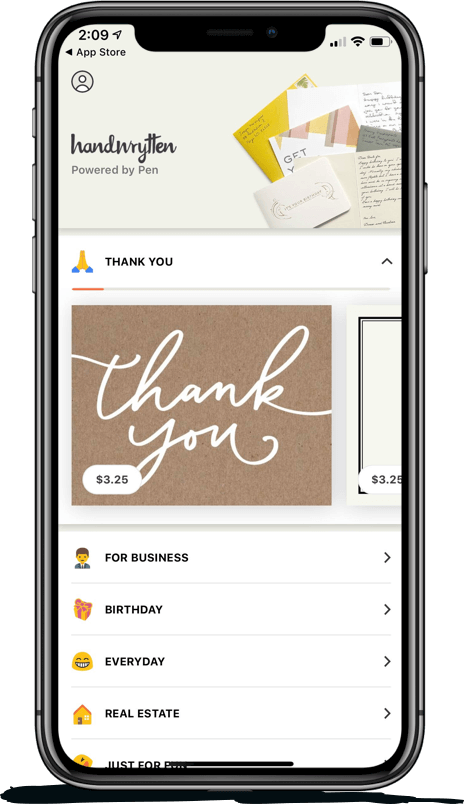
Scale your handwritten outreach, creating positive impressions and long lasting bond.
Sign Up Today!

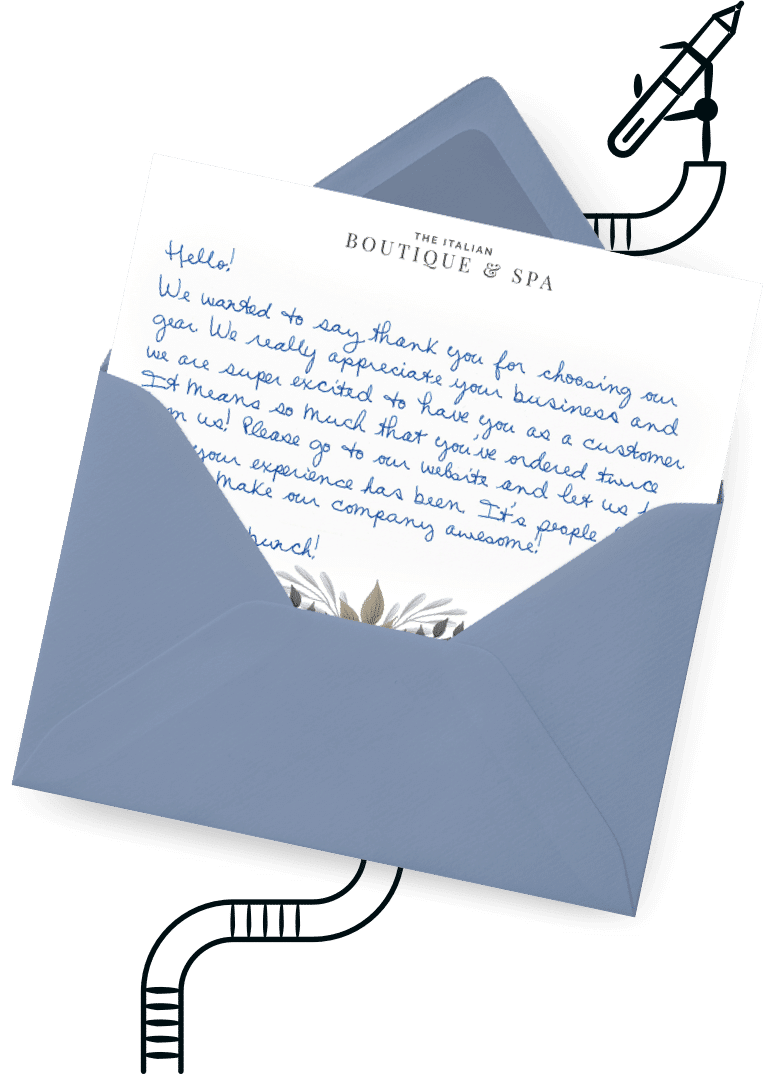

Over 100 designs to choose from or design your own. Our online card customizer makes it simple.
Check Out Our Cards!


Thank you.
