


Volunteers give something no paycheck can buy. The organizations that acknowledge that keep them. The ones that don’t wonder where everyone went.
Thank you notes for volunteers are one of the most effective retention tools available to any organization that runs on donated time, and one of the most underused. A specific, handwritten note in a volunteer’s mailbox tells them something a group email or a certificate never quite does: their time was noticed, and it mattered.
Volunteers don’t give their time for a paycheck. They give it because they believe in the mission and because the work makes them feel valued. When that feeling is reinforced at the right moments, volunteers come back, bring friends, and become your best advocates. When acknowledgment defaults to mass emails and the occasional pizza party, the best volunteers quietly stop showing up.
This guide covers when to send thank you notes for volunteers, what to write for each moment, and how to build a program that runs without adding work for your coordinators. If you also steward donors, pair it with our guide to handwritten notes for nonprofits.
Quick Answer: The most effective thank you notes for volunteers are handwritten, arrive within 48 hours of a volunteer’s contribution, reference something specific about their individual effort, and communicate genuine appreciation free of any ask or organizational agenda. Organizations that send consistent handwritten volunteer appreciation notes retain volunteers at significantly higher rates than those that rely exclusively on digital acknowledgment.
The most effective thank you notes for volunteers are handwritten, arrive within a few days of the volunteer’s contribution, name something specific they did, and include no ask. Sent consistently at key moments (a first shift, a milestone, a hard day, the end of a season), they give volunteers the individual recognition that keeps them coming back.
Digital acknowledgment (a group email, a social media shoutout, an e-certificate) is fast and easy. Volunteers can tell. It reads as efficient institutional gratitude, sent to everyone at once.
A handwritten note lands differently, because the format signals individual effort before the envelope is even opened. A volunteer who finds a note addressed to them by name, written in real ink, and referencing something they actually did feels seen as a person, not counted as a headcount. We dig into why physical mail carries that weight in handwritten cards in the digital age.
Ask volunteer coordinators why people drift away, and feeling unnoticed comes up again and again. Thank you notes for volunteers address that directly.
The usual objection is time. Handwrytten’s handwriting robots write every note with a real pen, so you can send personalized notes to every volunteer without anyone on your team writing them by hand. Notes can also go out automatically from the systems you already use, covered in automating your handwritten mailings.
Timing matters as much as wording. Send each note within a few days of the moment it recognizes, while the experience is still fresh. Our guide on when to send a thank you card covers timing in more depth.
Most organizations send one group email after an event. A personal note to each volunteer, naming what they did, stands out immediately.
“[Name], thank you for giving your time at [event] on [date]. The way you [specific observation] made a real difference to the people we served and to everyone on the team. We’re grateful for your time and your heart.”
“Thank you for being there on [date], [Name]. The [specific task] you handled made the day run more smoothly and made the people we served feel cared for. That’s what this is all about.”
The first note is the highest-leverage one you’ll send. It often decides whether a curious first-timer becomes a regular.
“[Name], welcome, and thank you. Trying something new for a cause takes generosity, and we noticed. We hope your first shift felt as meaningful to you as it was to us, and we’d love to see you again.”
“Welcome to the [Organization] family, [Name]. Your first shift contributed directly to [specific impact], and we’re so glad you chose to spend your time here. We hope this is the beginning of something meaningful.”
Years of service deserve more than a certificate. Acknowledge the accumulated value of their commitment.
“[Name], [X] years of giving your time to [Organization] deserves more than an email. Your commitment has shaped what this organization is and what it can do for the people we serve. Thank you for every one of those years.”
“[Name], [X] hours of service is time you could have spent anywhere, and you gave it here. We don’t take that for granted. Thank you.”
Volunteers who work with vulnerable people or handle hard situations need to know the organization saw what it cost them.
“[Name], what you handled at [event] wasn’t easy, and I wanted to reach out personally. The grace and compassion you brought to [specific situation] made a real difference, and it was seen. Thank you for showing up so fully.”
Volunteers who lead projects or committees are giving well beyond a standard shift. Say so.
“[Name], [project] is complete, and it happened because of your leadership. The time, creativity, and ownership you brought went far beyond what we could have asked for. Thank you.”
For seasonal programs like summer camps, holiday drives, or annual events, an end-of-season note is what brings volunteers back next year.
“[Name], another season is complete, and we wanted to close it with something more personal than a group email. Your contribution to [program] this year made a real difference. Thank you for everything this season included. We hope to see you back.”
For nonprofits, a volunteer thank you note is part of stewardship. Connect the volunteer’s specific contribution to the impact it created, the same way you would for a donor. Our guide to nonprofit stewardship covers the full approach.
“[Name], the [X] hours you gave to [program] this month helped us [specific impact: serve X meals, support X families, mentor X students]. That’s the real difference your time made. Thank you.”
In a congregation, service is often a calling. Acknowledge the spirit behind the time, not just the hours. See more ideas in handwritten notes for churches.
“[Name], your service to [ministry] is a genuine gift to this community, not just the hours but the heart you bring to it. Thank you for giving so generously of yourself.”
For employee volunteer days and community partnerships, a personal note keeps participation strong year after year. It also builds the culture covered in our guide to connected teams.
“[Name], thank you for volunteering at [event]. Your contribution to [community organization] made a real difference, and giving your personal time this way reflects exactly the kind of character we’re proud to have on our team.”
PTAs, booster clubs, and school foundations depend on parent and community volunteers. A note shows them the effect on students. For more, see handwritten notes for educators.
“[Name], thank you for everything you gave to [event]. Parent volunteers like you make experiences possible that the school couldn’t create alone. Your time made a real difference to real kids.”
One specific detail beats three paragraphs of generic praise. “Thank you for your hard work” makes a volunteer feel appreciated. “I noticed how you stayed late to help [person] with [situation]” makes them feel seen. For more on wording, see what to say in thank you cards.
A note that arrives within a few days shows that gratitude is a priority, not an item on a to-do list. A note that shows up two weeks later, however well written, lands with less force.
Don’t ask a volunteer to sign up again, recruit friends, or donate in a thank you note. An ask turns a personal gesture into a transaction. The next shift will come from the relationship, not from the request.
A ten-year volunteer deserves a different note than a first-timer. Someone who got through a hard shift deserves a different note than someone whose day was routine. Adjust the depth and warmth to the person and the moment.
The organizations with the strongest retention don’t send notes when someone happens to remember. They build a system so every volunteer is thanked at every moment that matters.
.
What should a thank you note for a volunteer say? Use the volunteer’s name, mention one specific thing they did or the impact it had, express your thanks in a personal voice, and close warmly. Leave out any ask, whether it’s another shift, a donation, or a referral.
How soon should you send thank you notes for volunteers? As soon as possible after the contribution, ideally within a few days. Handwrytten typically produces notes in one to two business days, plus USPS delivery time, so triggering the note right after a shift keeps it timely.
Are handwritten notes better than email for thanking volunteers? For recognition that sticks, yes. An email is easy to skim and forget. A handwritten note in real ink shows individual effort before it’s even opened, and many volunteers keep them.
Can you automate volunteer thank you notes and keep them personal? Yes. With Handwrytten, notes can be triggered from your volunteer or donor system and personalized with each volunteer’s details. Every note is still written with a real pen, so automation handles the consistency while the handwriting carries the personal touch.
Do thank you notes help with volunteer retention? They address one of the most common reasons volunteers leave: feeling unnoticed. Consistent, specific notes at key moments give volunteers a reason to keep coming back.
Who should sign a volunteer thank you note? The person who knows the volunteer best, usually the volunteer coordinator or team lead. Save notes from the executive director for milestones and exceptional contributions, where a senior signature carries extra weight.
Volunteer retention starts with individual appreciation, delivered at the right moment, in the right format, with a detail that shows you were paying attention. Thank you notes for volunteers do that better than any group email, because a handwritten note mirrors what the volunteer gave you: personal time and effort.
They gave you something no paycheck can buy. Give them something no mass email can match.
Start Sending → handwrytten.com


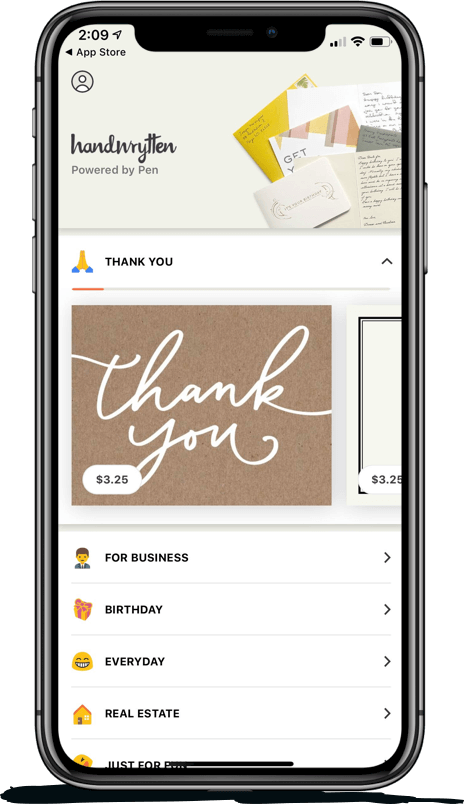
Scale your handwritten outreach, creating positive impressions and long lasting bond.
Sign Up Today!

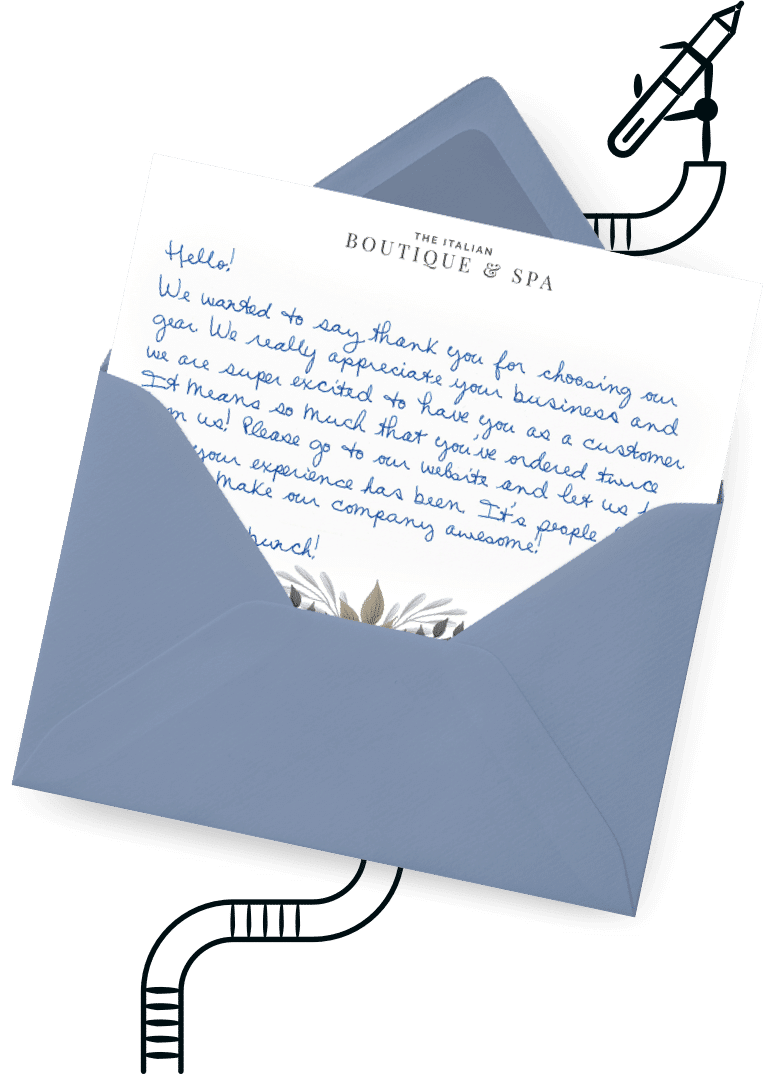

Over 100 designs to choose from or design your own. Our online card customizer makes it simple.
Check Out Our Cards!


Thank you.
