



Digital communication didn’t make handwritten cards obsolete. It made them more powerful than they’ve ever been.
Handwritten cards in the digital age are experiencing a renaissance that defies every assumption about how communication technology displaces older formats. The conventional wisdom was that digital communication would make physical mail irrelevant — that email would replace letters, that social media would replace cards, and that the convenience of digital connection would render the effort of physical correspondence unnecessary. What actually happened is the opposite. As digital communication saturated every channel, filled every inbox, and competed for every moment of attention, the handwritten card became rarer — and therefore more powerful.
A handwritten card in the digital age is the communication format that no algorithm filters, no inbox manages, and no notification competes with. It arrives in the one channel that digital saturation has made genuinely quiet — the physical mailbox — and creates an impression that the most sophisticated digital campaign never produces at the same emotional depth. The rarity of genuine physical mail in a digital-first world is precisely what makes handwritten cards more impactful now than at any previous moment in the history of written communication.
This guide covers exactly why handwritten cards in the digital age matter more now — the psychological mechanisms behind their growing impact, the specific contexts where they outperform digital alternatives most dramatically, and how Handwrytten makes genuine handwritten outreach scalable for any business or individual in a world that has made digital the default.
Quick Answer: Handwritten cards in the digital age are more effective than ever because digital communication saturation has made physical mail rare — and rare positive experiences create disproportionately strong emotional impressions. Research consistently shows that physical mail generates higher emotional engagement, stronger memory encoding, and more durable loyalty outcomes than digital alternatives across every demographic.
The relationship between digital communication volume and handwritten card effectiveness is counterintuitive but consistent: as digital communication has become more ubiquitous, physical handwritten cards have become more impactful — not less. Understanding why requires understanding how human attention and emotional memory actually work.
The contrast effect. Human perception is fundamentally comparative — we notice and respond to experiences in proportion to how different they are from the surrounding context. In a communication environment where the average professional receives over 120 emails per day, a genuine handwritten card arriving in a physical mailbox creates the maximum possible contrast. The impression it creates is disproportionately strong not because handwritten cards have become more elaborate but because everything around them has become more digital.
The rarity premium. Experiences that are rare carry a premium in emotional significance that common experiences — however pleasant — never achieve. A handwritten card arriving in 2026 is significantly rarer than one arriving in 1995 — which means it carries significantly more emotional weight than its predecessors, despite being produced through fundamentally the same process. The digital age has created rarity for physical mail that transforms every handwritten card into a premium communication experience.
The attention differential. Digital communication has trained recipients to process messages efficiently — to filter, skim, and delete in a fraction of the time required to open and read a physical card. A handwritten card in the digital age bypasses every filtering mechanism and receives the undivided attention that digital alternatives share with dozens of competing notifications. The attention a handwritten card receives is qualitatively different from the attention any digital message receives — and qualitatively different attention creates qualitatively different impressions.
The growing effectiveness of handwritten cards in the digital age isn’t anecdotal — it’s supported by consistent research findings across multiple fields.
Physical mail generates higher emotional engagement. Research by Canada Post and Temple University found that physical mail requires 21% less cognitive effort to process than digital media, generates 70% higher brand recall, and produces significantly higher emotional engagement scores across all tested demographics. In a digital-first world, the physical format’s advantage in emotional engagement has grown rather than diminished.
Handwritten communication creates stronger trust signals. Research on trust formation consistently shows that handwritten communication — because it requires genuine individual effort — creates stronger initial trust signals than digital alternatives. In professional contexts where trust is the primary currency, handwritten cards in the digital age carry a trust premium that no digital communication ever achieves at the same speed.
Physical mail response rates outperform digital. Direct Marketing Association data consistently shows that physical direct mail generates response rates three to five times higher than email — and that the differential has grown rather than shrunk as email volumes have increased. Handwritten physical mail produces significantly higher response rates than printed alternatives — because the handwriting signals individual attention that printed mail never communicates.
Millennials and Gen Z respond strongly to physical mail. Counter to every assumption about younger generations’ digital preferences, research consistently shows that millennials and Gen Z consumers respond more positively to unexpected physical mail than any other demographic — precisely because the contrast with their overwhelmingly digital communication environment creates the most dramatic positive surprise effect. Handwritten cards in the digital age create their strongest impressions with the generations that grew up most digitally.
The physical mailbox in the digital age receives a fraction of the communication volume it received before email became the default. For most households and businesses, the physical mailbox receives a handful of pieces of mail daily — the vast majority of which is either bills, printed promotional material, or packages. A genuine handwritten card arriving in that context receives a quality of individual attention that no email, no social media post, and no digital notification ever achieves.
The email inbox is managed. The social media feed is scrolled. The physical mailbox is opened — one piece at a time, with genuine attention given to each. A handwritten card in the digital age doesn’t compete for attention. It commands it.
Digital communication is ephemeral — processed, archived, or deleted within seconds of receipt. A handwritten card in the digital age creates a physical artifact that the recipient holds, reads, displays, and returns to. The client who keeps a handwritten thank-you note on their desk for weeks after receiving it is experiencing ongoing brand presence that no digital campaign ever produces without continuous paid investment.
Physical artifacts encode memories differently than digital experiences — they create what psychologists call “episodic memory anchors” that sustain recall of both the gesture and the sender through months and years rather than hours and days. Handwritten cards in the digital age are remembered not just because they were received but because they persist in the recipient’s physical environment long after the receiving moment has passed.
The most important communication quality that handwritten cards in the digital age deliver is something digital alternatives cannot replicate regardless of how sophisticated they become: the signal of genuine individual investment.
A handwritten card — whether written by a person at a desk or produced by Handwrytten’s robotic pen-and-ink technology in real ballpoint pen on real paper — communicates before it is read that someone invested specific, deliberate, individual effort in this specific communication. That signal is what digital communication, however personalized its subject line, however sophisticated its automation, and however warm its content, can never produce — because the format itself communicates mass efficiency rather than individual investment.
In the digital age, where every communication arrives through channels associated with mass efficiency, the handwritten card’s signal of individual investment creates an impression that is both rarer and more valuable than at any previous moment in the history of written communication.
For businesses in any industry where client relationships determine long-term revenue — professional services, real estate, financial advising, healthcare, e-commerce — handwritten cards in the digital age are the relationship investment that creates the individual impressions that sustain loyalty through competitive pressure and the inevitable friction of long-term professional partnerships.
A client who receives a genuine handwritten card from their financial advisor, their real estate agent, or their attorney has a specific, memorable, positive story about that professional that sustains loyalty in a way that no email sequence or digital marketing campaign ever achieves. In the digital age, where every competitor deploys the same digital channels, the professional who shows up with something physical and handwritten occupies a completely uncontested relational space.
For consumer brands — particularly e-commerce and direct-to-consumer businesses whose entire customer relationship exists in a digital environment — handwritten cards in the digital age create the physical brand presence that digital channels can’t produce. A customer who receives a genuine handwritten thank-you note with their first order has a specific, memorable, shareable story about the brand from day one.
That story — “this brand sent me an actual handwritten card” — is the word-of-mouth that no digital advertising budget replicates. It gets shared in conversations, posted on social media, and referenced when someone asks for recommendations. In the digital age, where every brand is competing for attention in the same digital channels, the brand that shows up in a customer’s physical mailbox creates a competitive differentiation that sustains loyalty through every subsequent interaction.
For nonprofits, educational institutions, faith communities, and any organization whose mission depends on sustained individual engagement — handwritten cards in the digital age are the stewardship investment that sustains the donor relationships, volunteer commitments, and community connections that digital outreach maintains at the surface level but rarely deepens to the same emotional degree.
A donor who receives a genuine handwritten acknowledgment of their gift has a different relationship with the organization than one who received a digital receipt and a mass email newsletter. A volunteer who receives a genuine handwritten thank-you note has a different commitment to the mission than one whose contribution was acknowledged in a group text. In the digital age, the handwritten card is what deepens surface-level digital engagement into genuine individual connection.
For individuals — sending birthday cards, anniversary acknowledgments, sympathy notes, thank-you messages, and the full range of personal correspondence that sustains human relationships through time and distance — handwritten cards in the digital age carry more emotional weight than at any previous moment.
A birthday card received in a physical mailbox in the digital age creates a significantly stronger impression than a text message, a social media post, or an email — because the contrast with the recipient’s overwhelmingly digital communication environment makes the physical gesture feel extraordinary rather than ordinary. In the digital age, showing up with something handwritten and physical communicates a level of individual care that no digital alternative ever achieves at the same emotional depth.
The primary barrier to leveraging handwritten cards in the digital age for business outreach has historically been operational — the gap between the individual quality of genuine handwritten communication and the scalability requirements of modern business relationship management.
Handwrytten closes that gap entirely. Using robotic pen-and-ink technology that produces genuinely handwritten cards — real ballpoint pen on real paper, with the natural variation in line weight, letter formation, and ink flow that makes handwriting look and feel authentically human — Handwrytten makes handwritten cards in the digital age accessible at any volume, any cadence, and any level of personalization that modern relationship management requires.
Genuine handwriting at any scale. Handwrytten’s more than 200 in-house writing robots produce over 30,000 genuinely handwritten cards per day — ensuring that the authentic quality of real pen-on-paper handwriting is preserved regardless of campaign volume.
CRM and platform integrations. Native integrations with Salesforce, HubSpot, Shopify, Zapier, and other platforms allow handwritten cards to be triggered automatically by any defined event — a purchase, a milestone, a birthday, a CRM stage change — producing and mailing every card without any manual effort from the sender.
Dynamic personalization. Every card is personalized with the recipient’s name and any other relevant data pulled automatically from CRM records — ensuring every handwritten card in the digital age feels individually written for its specific recipient regardless of how many cards the campaign produces simultaneously.
Custom handwriting and signatures. Handwrytten’s custom font service recreates any individual’s specific handwriting style from a completed handwriting packet — ensuring every card looks genuinely like it came from the specific person whose name appears on it.
Gift add-ons. Cookie boxes, gift cards, lavender and basil seed packets, and Waka Coffee packets can be included with any handwritten card — creating a complete physical gift experience that digital alternatives can never replicate.
The trajectory of handwritten cards in the digital age is one of increasing rather than decreasing relevance — because the factors that make physical mail impactful are structural rather than cyclical. Digital communication will continue to increase in volume. Inbox competition will continue to intensify. The physical mailbox will continue to become quieter as communication migrates to digital channels.
Each of these trends increases rather than decreases the impact of handwritten cards — because each one amplifies the contrast effect, the rarity premium, and the attention differential that make physical handwritten communication create disproportionately strong impressions in a digital-first world.
The organizations and individuals who build systematic handwritten outreach programs now — while most of their competitors are still treating physical mail as a legacy channel rather than a competitive advantage — are building the relational infrastructure that will sustain their most important relationships through every subsequent wave of digital disruption.
The digital age didn’t end the era of the handwritten card. It began a new one.
Why do handwritten cards work better in the digital age than before?
Because digital communication saturation has made physical mail rare — and rare positive experiences create disproportionately strong emotional impressions. The contrast between the overwhelming volume of digital communication and the unexpected arrival of a genuine handwritten card creates a level of individual impact that was harder to achieve when physical mail was itself the default communication format.
Do younger generations respond to handwritten cards in the digital age?
Yes — and research consistently shows that millennials and Gen Z respond more strongly to unexpected physical mail than any other demographic. The contrast effect is most pronounced for the generations whose communication environment is most overwhelmingly digital — making handwritten cards in the digital age particularly impactful for reaching younger audiences.
How does Handwrytten produce genuine handwritten cards at scale?
Handwrytten uses robotic writing instruments that hold real ballpoint pens and produce genuine handwriting on real paper — with the natural variation in line weight, letter formation, and ink flow that makes handwriting look and feel authentically human. Every card is genuinely written — not printed, not simulated.
What types of businesses benefit most from handwritten cards in the digital age?
Any business whose growth depends on sustained individual relationships — professional services, real estate, financial advising, healthcare, e-commerce, nonprofit fundraising, and any organization where client or customer loyalty determines long-term revenue. The impact is strongest in industries where digital communication saturation is highest and competitors are most uniformly relying on digital outreach alone.
Can handwritten cards in the digital age be automated without losing authenticity?
Yes. Handwrytten’s platform produces genuinely handwritten cards — real pen on real paper — triggered automatically through CRM integrations, with each card personalized for the individual recipient. The automation handles the consistency and scale. The genuine handwriting handles the impression. Recipients experience the card as individually written because it is individually written — by a real pen, regardless of what triggered the send.
What is the ROI of handwritten cards in the digital age?
Organizations that measure the ROI of systematic handwritten outreach consistently find higher customer retention rates, increased referral activity, stronger donor giving rates, and higher lifetime customer value among recipients of handwritten card programs versus those receiving only digital communication. The ROI is highest when handwritten cards arrive unexpectedly — creating the surprise effect that generates the strongest emotional impressions and the most durable loyalty outcomes.
Ready to choose a provider? See our full best handwritten card service comparison for 2026 covering pricing, integrations, and what separates real-pen services from printed alternatives.
Handwritten cards in the digital age are not a nostalgic throwback to a pre-digital era — they are a strategic communication advantage created by the digital era itself. The saturation of digital channels has made physical mail rare. The rarity of physical mail has made handwritten cards powerful. And the power of handwritten cards in the digital age has never been greater than it is right now — for businesses building client relationships, brands building customer loyalty, organizations building community connections, and individuals building the human relationships that digital communication sustains at the surface and handwritten cards sustain at the depth.
The digital age made handwritten cards more powerful. Handwrytten makes them scalable.
Start Sending → handwrytten.com
Editor’s note: This article was revised in August 2026


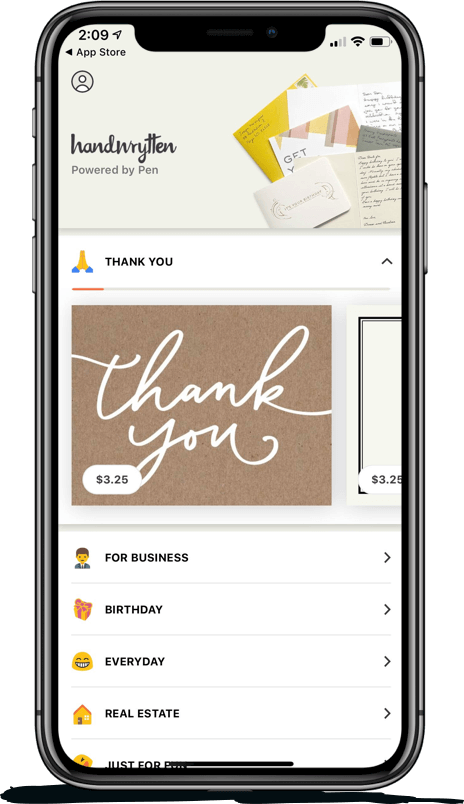
Scale your handwritten outreach, creating positive impressions and long lasting bond.
Sign Up Today!

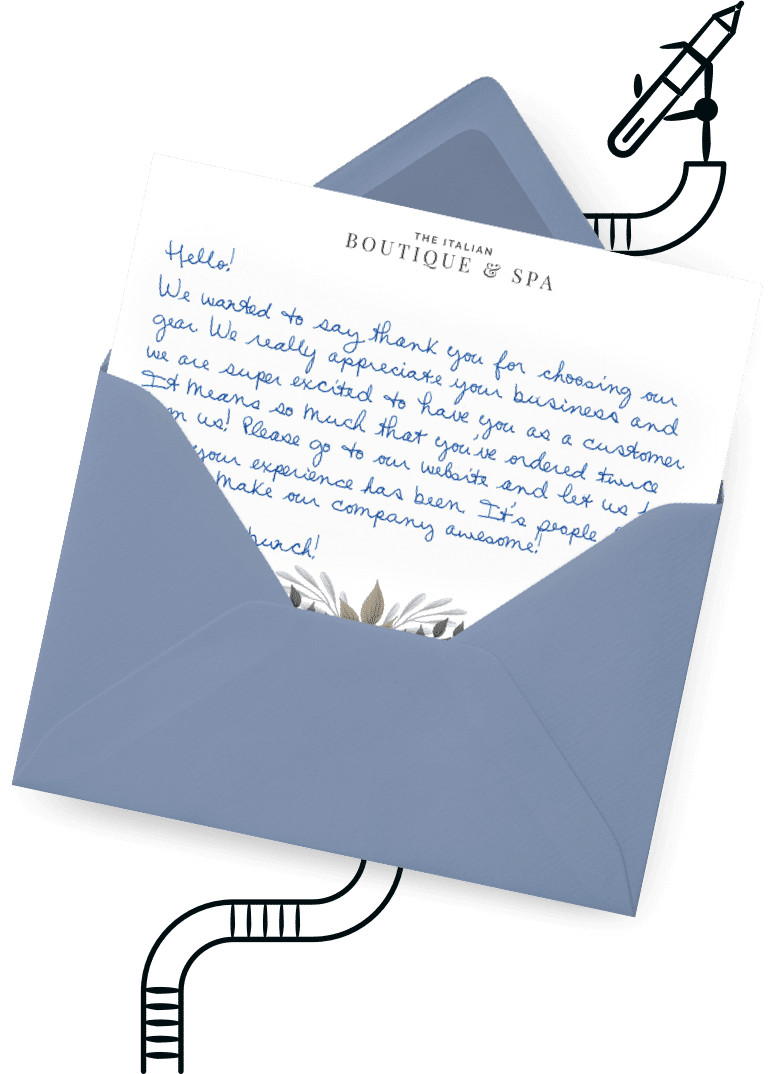

Over 100 designs to choose from or design your own. Our online card customizer makes it simple.
Check Out Our Cards!




Thank you.
