



The generation that grew up online is the one most moved by something that arrives in the mail.
To wow millennials with greeting cards is to understand something counterintuitive about the most digitally connected generation in history: precisely because their lives are saturated with digital communication, a physical handwritten card creates a more disproportionate impression for them than for any other demographic. Millennials — now the largest living adult generation, with the most spending power and the most social influence of any group in the market — aren’t hard to reach digitally. They’re hard to genuinely impress through digital channels, because they’ve learned to process digital communication with the same efficient filtering that makes most of it forgettable.
A handwritten greeting card cuts through that filtering entirely. It arrives in a physical space their phones don’t occupy. It communicates individual effort before it’s opened. And it creates the kind of authentic, genuine, personal impression that millennials — a generation that has made authenticity one of its most consistent cultural values — respond to more powerfully than almost any other generation.
This guide covers the five proven ways to wow millennials with greeting cards — for businesses building client relationships, team leaders recognizing employees, brands connecting with prospects, and anyone who wants to create lasting impressions with the generation that’s currently shaping every major market.
Before the five strategies — the psychological foundation. Understanding why greeting cards for millennials create stronger impressions than digital communication is what makes the strategies below feel intuitive rather than counterintuitive.
Millennials came of age during the transition from physical to digital communication — which means they have clear memories of what genuine individual correspondence felt like before the inbox became the default. A handwritten card doesn’t feel retro to a millennial. It feels intentional — like someone specifically chose a format that required more effort because the relationship warranted it.
Research consistently supports this. Physical mail generates significantly higher emotional engagement than digital alternatives across all demographics — but the differential is particularly pronounced among millennials, who process physical mail with a quality of attention they rarely give to digital communication. A handwritten greeting card from a business, a brand, or a colleague is noticed, read carefully, and often kept — in an era when most digital communication is processed in seconds and forgotten within hours.
The five ways to wow millennials with greeting cards outlined below capitalize on exactly this dynamic — using the physical format to create the authentic, individual, emotionally resonant impressions that digital alternatives reach for and rarely achieve with this generation.
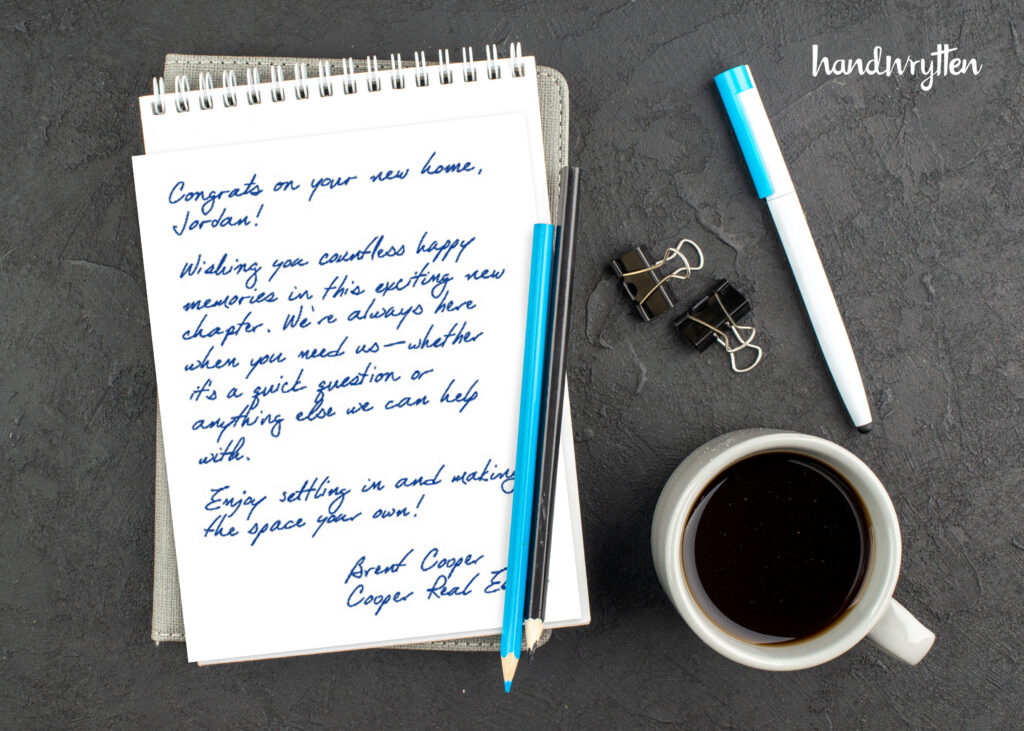
The first and most fundamental way to wow millennials with greeting cards is genuine, specific personalization — not the surface personalization of a mail merge that inserts a name into a template, but the deep personalization of a message that references something real and specific about the individual recipient.
Millennials are the most marketed-to generation in history. They’ve developed sophisticated radar for inauthenticity — and a greeting card that uses their name but otherwise reads like it could have been sent to anyone communicates the same thing as a mass email: that the sender went through the motions of personalization without actually seeing them as an individual.
The greeting cards for millennials that create genuine impressions are the ones with one specific, real detail — a recent achievement, a shared experience, a specific quality the sender has observed — that could only have been written for this person. That specificity is what transforms a pleasant card into a memorable one.
What works for personalizing greeting cards for millennials:
Reference a recent achievement. A promotion, a project completion, a public recognition, a personal milestone visible on social media — any of these provides the specific detail that communicates genuine individual attention.
“Congratulations on the [specific project] launch, Taylor — we’ve been watching the buildup and the execution was exceptional. What your team accomplished is genuinely impressive.”
Reference a shared experience. A conversation, a meeting, a previous interaction — anything that demonstrates the sender was paying specific attention to the relationship rather than simply sending a card to a segment.
“Alex — our conversation about [specific topic] at [event] has stayed with me. I wanted to reach out personally with a card that reflects how much I value that kind of genuine exchange. Thank you.”
Reference a specific quality. Naming a specific quality you’ve observed — creativity, reliability, genuine care for clients — communicates that you see the person clearly and value what makes them specifically who they are.
“Jordan — the way you approach every challenge with [specific quality] is something I genuinely admire. This card is a small acknowledgment of that, and of how much we value having you on this team.”
Handwrytten’s dynamic personalization fields allow these specific details to be pulled from CRM data automatically — producing the individual quality that makes greeting cards for millennials effective at any scale.
The second way to wow millennials with greeting cards is acknowledging the specific life and career milestones that this generation places particular cultural and emotional significance on — and doing so in a physical, handwritten format that matches the weight of the moment.
Millennials are a milestone-conscious generation — shaped by a cultural narrative that places enormous significance on achievement, progress, and the specific markers of a life well-built. A new home, a promotion, a business launch, a first anniversary, a graduate school acceptance, a side project that finally took off — these moments matter deeply to millennials and are shared widely across their social networks.
A greeting card that arrives at a milestone moment — acknowledging the specific achievement in a genuinely personal, handwritten format — creates an impression that social media likes and digital congratulations never match. And because millennials share everything, a genuinely impressive greeting card at a meaningful milestone is likely to be photographed and shared — extending the impression beyond the individual recipient to their entire network.
Milestone greeting card messages for millennials:
New home:
“Congratulations on [address], [Name] — a home of your own is one of the milestones worth celebrating with something more than a text. We hope every room fills with the kind of memories that make it impossible to imagine living anywhere else. Welcome home.”
Promotion:
“[Name] — [new title] looks good on you. The qualities that earned this promotion are ones we’ve seen in everything you do — and we’re genuinely excited to watch what you build in this new chapter. Well deserved.”
Business launch:
“You built something from scratch and made it real — that takes a specific kind of courage that not everyone has. Congratulations on the launch of [Business Name]. We’re rooting for everything you’re building.”
Personal milestone:
“[Name] — [specific milestone] is the kind of achievement that deserves acknowledgment beyond a comment thread. Congratulations from someone who has been watching your journey with genuine admiration.”
The third way to wow millennials with greeting cards is pairing the physical card with a thoughtful addition — a gift card, a seasonal treat, a small branded item, or an exclusive offer — that transforms the gesture from a pleasant card into a complete experience.
Millennials are an experience-driven generation — more moved by thoughtful, specific, considered extras than by expensive but generic gifts. The greeting card that arrives with a coffee shop gift card and a note that says “enjoy a morning on us” creates a more memorable impression than one accompanied by an expensive but impersonal corporate gift — because the former communicates specific individual consideration while the latter communicates purchasing power.
The principle behind the most effective greeting card extras for millennials is the same as the principle behind personalization: it’s the specificity and thoughtfulness of the addition that communicates genuine care, not its monetary value.
Greeting card pairings that work for millennials:
Gift card inclusions. A modest gift card to a coffee shop, a food delivery platform, a streaming service, or a flexible “choose your own” option communicates relevant, practical appreciation in a format millennials genuinely use. Handwrytten’s platform supports gift card inclusions at checkout — making it simple to pair any greeting card with a tangible extra at any volume.
QR codes linking to exclusive content. A QR code in a greeting card linking to an exclusive offer, a curated playlist, a personalized landing page, or a behind-the-scenes video creates a digital extension of the physical gesture that resonates with a generation that lives across physical and digital spaces simultaneously.
Eco-friendly additions. Millennials are the most environmentally conscious generation in the current consumer market — and a greeting card that arrives on recycled paper, with a note about sustainable sourcing, or paired with a donation to an environmental cause in the recipient’s name communicates shared values that create particularly strong impressions with this demographic.
Sample messages for greeting cards with extras:
“We thought you deserved a little something extra — enjoy the treat inside as a small token of genuine appreciation from our whole team. Thank you for everything.”
“Scan the code inside for something we put together specifically for you — a small extra from people who appreciate what you bring to this relationship.”
The fourth way to wow millennials with greeting cards is designing and writing them with the understanding that millennials share the things that impress them — which means a genuinely impressive greeting card has potential reach far beyond the individual recipient.
Millennials share physical objects on social media more than most businesses realize — particularly objects that feel surprising, beautifully designed, or genuinely personal. A striking greeting card, photographed and shared on Instagram or LinkedIn with a caption about the sender, creates organic social proof that no advertising budget can replicate. And the caption almost always describes the impression: “Got this in the mail today from [Company] — this is what client appreciation actually looks like.”
Greeting cards for millennials that are worth sharing combine three elements: visual quality, message authenticity, and the surprise of receiving something physical in a digital-first world.
Design principles for shareable greeting cards for millennials:
Visual quality signals effort. A beautifully designed card on premium card stock communicates the same message as a beautifully written note — that the sender invested genuine effort. Millennials notice paper quality, design sophistication, and the small visual details that communicate care for the physical object.
Bold, honest language performs better than corporate warmth. Greeting card messages for millennials should sound like they were written by a human being rather than approved by a marketing committee. Direct, specific, slightly vulnerable language — “we genuinely miss working with you” rather than “we value your continued partnership” — creates the authentic impression that millennials respond to and share.
The handwriting itself is worth photographing. Genuinely handwritten cards — produced in real pen-and-ink handwriting rather than printed handwriting fonts — create a visual quality that photographs beautifully and signals immediate authenticity to anyone who sees the image. Handwrytten’s robotic pen-and-ink technology produces the real handwriting variation that makes a card photograph as genuinely handwritten because it is.
Sample messages designed for social shareability:
“We know you have options — and the fact that you keep choosing us means more than a standard thank-you email can express. So here’s something that tries harder. Thank you — genuinely.”
“Not everything worth saying fits in a notification. This one needed paper.”
“You made this year genuinely better for the people around you. That deserves something more than a LinkedIn reaction.”
The fifth and most strategically important way to wow millennials with greeting cards is consistency — the regular, reliable cadence of genuine individual acknowledgment that communicates ongoing investment in the relationship rather than sporadic seasonal gestures.
A single greeting card is a pleasant surprise. Three greeting cards over the course of a year — at a birthday, a work anniversary, and an unexpected no-occasion moment — communicate something fundamentally different: that this specific person is thought about consistently, valued genuinely, and worth a regular physical gesture of acknowledgment throughout the year.
Millennials are the generation that coined the concept of “performative” — the distinction between gestures that communicate genuine care and gestures that communicate the appearance of genuine care. A single annual holiday card reads as performative to a millennial audience. A consistent cadence of thoughtful, specific, handwritten outreach reads as genuine — because the consistency is its own form of evidence.
Building a consistent greeting card cadence for millennials:
Birthday cards. Millennials place significant cultural importance on birthdays — and a genuine handwritten birthday card arriving in the mail rather than a Facebook notification creates an impression that demonstrates the relationship is valued beyond the algorithm.
“Happy Birthday, [Name] — we didn’t want this one to get lost in the notification pile. Hope this year brings everything the last one set up for you. Celebrate well.”
Quarterly no-occasion appreciation notes. The no-occasion card is the most powerful consistency touchpoint available — because it arrives without any commercial trigger and communicates pure individual care.
“No occasion — just a genuine note from people who think about you more than the day-to-day gives us a chance to say. Thank you for being exactly who you are in this relationship.”
Work anniversary recognition. Millennials value acknowledgment of professional milestones from the organizations they work with — and a handwritten work anniversary card from leadership creates a retention impression that no Slack message or digital badge achieves.
“[X] years — and you’ve made every one of them better. Thank you for the commitment that represents and for everything you bring to this team. Here’s to the years ahead.”
Seasonal but unexpected touchpoints. Halloween, Valentine’s Day, and the first day of spring are all occasions that most businesses skip — which means a greeting card at any of these moments creates the surprise effect that makes it disproportionately memorable.
Handwrytten’s CRM integrations with Salesforce, HubSpot, Shopify, and other platforms allow consistent greeting card cadences to be automated entirely — each card triggered by the relevant date or event, personalized for the individual recipient, produced in genuine handwriting, and mailed without any manual effort. The consistency runs in the background. The impression it creates accumulates over time.
The challenge of executing the five strategies above consistently — personalizing each card specifically, acknowledging milestones reliably, adding thoughtful extras at scale, maintaining visual quality across volume, and sustaining a consistent year-round cadence — is precisely what prevents most organizations from delivering the greeting card experience that millennials respond to most powerfully.
Handwrytten solves every element of that challenge simultaneously. Using robotic pen-and-ink technology that produces genuinely handwritten greeting cards — real pen, real paper, real ink, with the natural variation in line weight and letter formation that makes handwriting feel authentically human — Handwrytten makes it possible to send personalized, high-quality, consistently timed greeting cards to any number of millennial clients, employees, or customers without any manual writing effort.
Custom handwriting fonts, premium card stock options, branded stationery, gift card inclusions, QR code additions, and dynamic personalization fields all come standard — ensuring every card delivers the visual quality, personal specificity, and thoughtful extras that make greeting cards for millennials genuinely impressive rather than merely appreciated.
Do millennials actually respond to physical greeting cards?
Yes — and more strongly than most businesses expect. Research consistently shows that physical mail generates significantly higher emotional engagement than digital alternatives for millennial recipients — precisely because the format’s rarity in their daily experience makes it disproportionately noticeable. A handwritten greeting card arriving in a millennial’s mailbox creates a stronger impression than fifty digital messages from the same sender.
What’s the most important element of a greeting card for millennials?
Authenticity — which expresses itself primarily as specificity. A card that references something real and individual about the recipient communicates genuine individual attention in a way that generic warmth never does. Millennials have sophisticated inauthenticity radar. The card that passes it is the one that clearly wasn’t written for everyone.
Can greeting card campaigns for millennials be measured?
Yes. Including trackable QR codes, unique redemption codes, or personalized URLs in greeting cards creates measurable attribution for physical outreach — allowing organizations to track engagement, redemption rates, and conversion activity directly attributable to the greeting card campaign.
How often should businesses send greeting cards to millennial clients or employees?
Four to six touchpoints per year represents the optimal cadence for most relationships — enough to establish a pattern of consistent individual acknowledgment without creating a volume that feels overwhelming. A birthday card, two to three no-occasion appreciation notes, and a year-end acknowledgment create a natural annual rhythm that communicates ongoing investment in the relationship.
Is the millennial preference for physical cards different from other generations?
The mechanism is different even if the outcome is similar. Older generations respond to physical cards partly through nostalgia and familiarity with the format. Millennials respond to physical cards through the contrast effect — the card stands out precisely because it’s unexpected in their overwhelmingly digital communication environment. The impression is equally strong but arrives through a different psychological pathway.
To wow millennials with greeting cards is to understand what this generation actually values — not the digital sophistication that every brand is already deploying, but the genuine, specific, physical acknowledgment of their existence as individuals rather than as targets in a demographic segment. A handwritten greeting card that arrives with real personalization, at a meaningful milestone, with a thoughtful extra, in a beautifully designed format, and as part of a consistent year-round cadence creates something that millennials — despite every assumption about their digital-first preferences — genuinely remember.
Five ways. One generation. The relationship-building approach that works precisely because almost nobody else is using it.
Start Sending → handwrytten.com
Editor’s note: This article was revised in June 2026


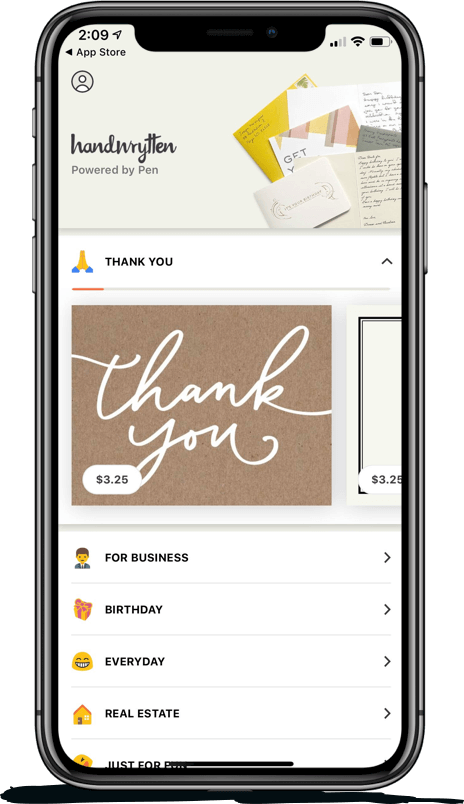
Scale your handwritten outreach, creating positive impressions and long lasting bond.
Sign Up Today!

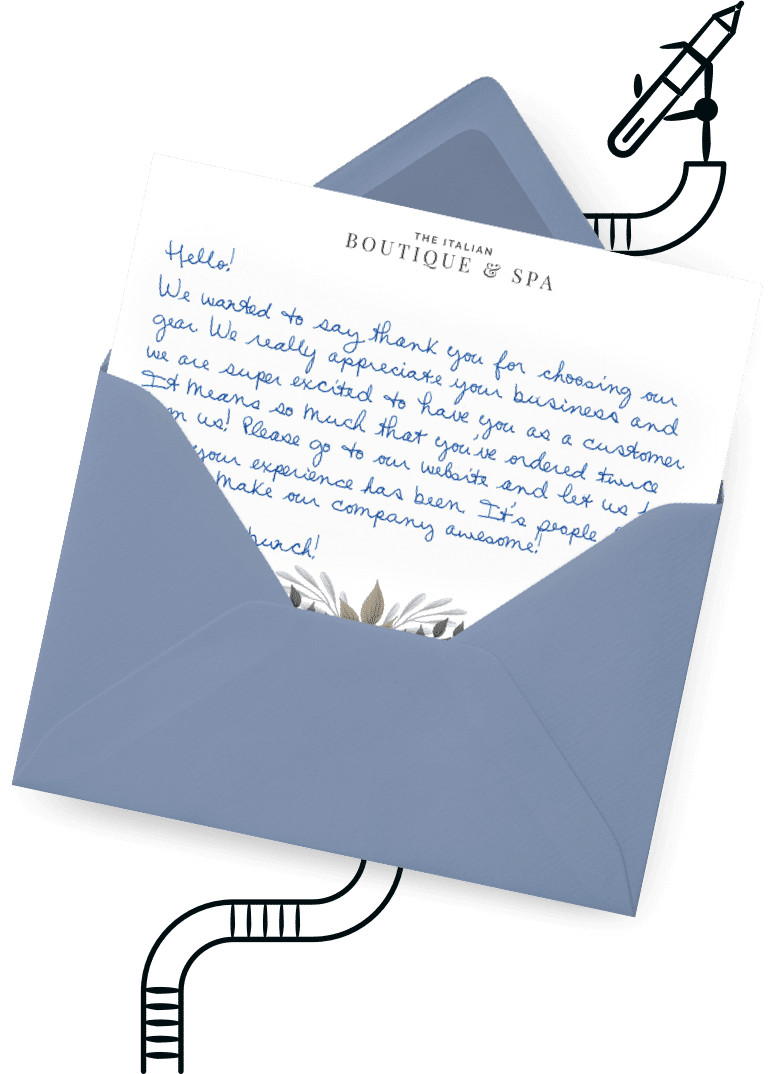

Over 100 designs to choose from or design your own. Our online card customizer makes it simple.
Check Out Our Cards!




Thank you.
