



Most holiday cards get glanced at and recycled. The ones worth keeping have three things in common: the right design, the right message, and the right timing.
Holiday card design is where the difference between a card that creates a lasting impression and one that gets lost in the seasonal stack is made or lost. Most organizations invest real intention in their holiday outreach — they want clients to feel appreciated, employees to feel recognized, and prospects to feel remembered. But the execution falls short at the design and messaging level, producing cards that are pleasant enough and forgettable enough in equal measure.
The recipients of a well-designed, thoughtfully messaged, perfectly timed holiday card don’t just feel appreciated in the moment — they keep the card, mention it in conversation, and carry the positive impression it created into the new year. That outcome isn’t accidental. It’s the product of deliberate decisions at every stage of the holiday card design process: what the card looks like, what it says, and when it arrives.
This guide covers all three — with the specific principles, examples, and practical guidance to make every holiday card your organization sends this season genuinely worth receiving.
The instinct behind holiday cards is relational — to acknowledge the people who matter at a moment of seasonal warmth. That instinct is right. But the impression a holiday card creates begins before the envelope is opened, continues through the reading of the message, and is either sustained or undermined by every design decision that shaped the physical object the recipient is holding.
A holiday card design that feels generic — stock imagery, standard fonts, a layout that could have come from any company in any industry — communicates something before a single word is read: that the sender chose the path of least resistance. The recipient processes that signal accurately, appreciates the gesture minimally, and moves on.
A holiday card design that feels considered — brand-aligned colors, a visual identity that reflects the organization behind the card, high-quality materials, and a layout that communicates care before the message does — creates a completely different first impression. The recipient slows down. They look more carefully. They read the message with more attention. And the impression the card creates is proportional to the evident care behind every element of it.
Holiday card messaging amplifies this effect. A message that’s specific, warm, and genuine — that references something real about the relationship — creates a moment of genuine connection that sustains the positive impression the design created. A message that’s generic, however beautifully designed the card, lets the impression down at the final moment.
Together — holiday card design and holiday card messaging working in concert, arriving at the right moment — a well-executed holiday card becomes something worth keeping. That’s the standard worth designing to.
The most common holiday card design mistake is treating the seasonal card as an exception to the visual identity rules that govern every other piece of business communication. A brand with a minimalist, professional aesthetic sends a card covered in cartoon snowflakes. A warm, community-focused brand sends a stiff, formal card in colors that don’t appear anywhere else in their visual system. The result is a card that feels like it came from a different organization — and creates a weaker impression than one that feels coherent with everything the recipient already knows about the brand.
Holiday card design should be an extension of your brand identity — not a departure from it. Incorporate your brand colors in a way that allows seasonal warmth without abandoning visual consistency. Use typography that aligns with your existing font standards. Ensure the logo is present but not dominant — the card is a relationship gesture, not an advertisement, and the design should feel warm rather than branded.
For professional and corporate brands: Clean lines, restrained color, high-quality paper stock, and minimal seasonal imagery. Elegance communicates care more effectively than festivity in a professional context.
For creative and consumer-facing brands: More latitude for bold color, playful illustration, and seasonal visual language. The card should feel like an expression of the brand’s personality — warm, distinctive, and recognizably yours.
For nonprofits: Photography or illustration that connects the seasonal message to the organization’s mission creates a holiday card design that communicates both gratitude and impact simultaneously.
The quality of the physical card communicates something before the message does. A card printed on thin cardstock, in colors that don’t quite match the intended design, with an envelope that doesn’t seal properly, signals exactly the level of investment the sender was willing to make — and that signal is received and processed by recipients whether they consciously register it or not.
High-quality paper stock, precise color reproduction, and a well-finished envelope communicate the opposite: that this organization takes its holiday card design seriously enough to invest in the physical quality of the object. That signal is as relational as the message itself — it communicates that the recipient is worth the investment.
Holiday card design imagery sets the emotional tone of the card before the message is read. A few principles:
Seasonal but not generic. Snowflakes, Christmas trees, and candy canes are universally seasonal — and universally forgettable. Holiday card design that uses seasonal imagery in a more distinctive way — an unexpected color combination, a unique illustration style, a minimalist take on a familiar seasonal element — stands out in the seasonal stack without abandoning the warmth of the season.
Inclusive of diverse holidays. December includes Christmas, Hanukkah, Kwanzaa, and other celebrations — and holiday card design that acknowledges this diversity with imagery that’s warmly seasonal rather than specifically religious is appropriate for most professional contexts.
Brand-aligned above all. The imagery that matters most is the imagery that feels consistent with what the recipient already knows about the brand. A card that feels genuinely from your organization creates a stronger impression than one that could have come from anywhere.
Holiday card design gets the recipient to slow down and engage. Holiday card messaging is what they remember. A few principles that consistently produce the messages worth keeping:
The holiday card messaging that creates the strongest impression opens from the recipient’s perspective — their contribution, their partnership, their loyalty, their presence in the sender’s life or business — rather than from the sender’s organizational identity.
“Thank you for your partnership this year — it has meant more than our day-to-day communication typically allows us to express.” — leads with the recipient.
“[Company Name] wishes you a wonderful holiday season.” — leads with the sender.
The first creates a moment of genuine individual acknowledgment. The second creates a pleasant but forgettable impression.
For key clients, long-term partners, significant donors, and employees whose specific contribution deserves individual acknowledgment, holiday card messaging that references something real — a project, a quality, a moment — creates an impression that generic warmth never can.
For key clients:
“[Specific project] was a highlight of this year — and working with you was a big part of why. Thank you for your continued trust. Wishing you a wonderful holiday season.”
For long-term employees:
“[Name] — your dedication this year has been genuinely exceptional, and I wanted to make sure you heard that directly before the year ended. Happy holidays and well-deserved rest.”
For major donors:
“Your generosity this year made [specific impact] possible — and this holiday season felt like exactly the right moment to express how much that means. Thank you.”
Holiday card messaging that works for a creative agency’s clients won’t necessarily work for a wealth management firm’s — and holiday card design should calibrate to the same awareness. A few tone guidelines by context:
Professional services (financial, legal, accounting): Warm but formal. Express genuine appreciation without casualness that could feel incongruent with the professional relationship.
“Wishing you and your family a wonderful holiday season. Your trust in us throughout the year is something we don’t take lightly. Thank you.”
Healthcare: Personal and caring. Acknowledge the patient relationship specifically.
“Wishing you a healthy, joyful holiday season — and thank you for the trust you place in our care. It’s a privilege we take seriously every day.”
Real estate: Warm and specific. Reference the transaction or ongoing relationship.
“It was a privilege to be part of your year. Wishing you and your family a wonderful holiday season in the home you’ve made yours.”
E-commerce and retail: Appreciative and warm. Acknowledge loyalty specifically.
“Thank you for being part of our community this year — your support makes everything we do possible. Wishing you a wonderful holiday season.”
Nonprofit: Grateful and impact-focused. Connect the season to the mission.
“This holiday season, we’re reflecting on the generosity that made our work possible — and your name comes to mind with genuine gratitude. Thank you.”
The holiday card messaging that creates the strongest impression is almost always the shortest. Three to five sentences, written with genuine intention, outperform a paragraph of polished prose every time. The handwritten format is intimate — it should feel like a personal message, not a formal communication. Trust the design and the format to carry emotional weight, and let the message stay tight.
Holiday card design and messaging are only as effective as the timing that delivers them. A perfectly designed, beautifully messaged card that arrives on December 23rd competes with every other piece of holiday mail in the most crowded window of the season. The same card arriving in the first week of December commands a completely different quality of attention.
Halloween cards (third week of October): The earliest seasonal outreach window — almost entirely uncontested, and one of the most effective for businesses willing to use it. Submit your Halloween card campaign in early October to ensure arrival before the holiday. A Halloween card arriving in the third week of October creates a first seasonal impression before any competitor has begun thinking about holiday outreach.
Thanksgiving cards (week before Thanksgiving): The most underleveraged window in the holiday calendar. Thanksgiving cards arrive in a space that almost no other organization fills — ahead of the December noise, carrying a culturally resonant message of genuine gratitude. Submit your Thanksgiving card campaign by mid-October to ensure cards arrive in the week before Thanksgiving.
Holiday cards (first and second week of December): The primary holiday card window. Aim for arrival before December 15th — early enough to be read and appreciated before the holiday break, late enough to feel genuinely seasonal. Submit your December holiday card campaign in early November to account for Handwrytten’s production and delivery timelines.
New Year cards (first two weeks of January): The most underused window in the entire seasonal calendar. A handwritten New Year card arriving in January captures the open attention of a post-holiday period when almost no other organization is reaching out. Submit your New Year campaign in the last week of December to ensure arrival in the optimal January window.
Early October: Begin holiday card design exploration — brand alignment, imagery direction, card format selection. Submit Halloween card campaign — targeting third-week-of-October arrival.
Mid-October: Finalize card design and message templates by audience segment. Submit Thanksgiving card campaign — targeting arrival in the week before Thanksgiving.
Early November: Clean and verify mailing list for December holiday campaign. Configure Handwrytten campaign.
Mid-November: Submit December holiday card campaign — targeting first-week-of-December arrival.
Late December: Submit New Year card campaign — targeting first-two-weeks-of-January arrival.
The combination of genuine holiday card design quality and authentic handwritten messaging is what Handwrytten is built to deliver — at any volume, without sacrificing the personal quality that makes the gesture meaningful.
Handwrytten’s platform supports fully custom branded stationery — your colors, your logo, your visual identity — ensuring every holiday card feels like an extension of your brand rather than a generic seasonal template. Multiple handwriting styles, from elegant and formal to warm and casual, allow holiday card messaging to feel tonally appropriate for every relationship context and industry.
Robotic pen-and-ink technology produces genuinely handwritten messages — real pen, real paper, real ink — at any volume, with each card personalized with the recipient’s name and a message tailored to their specific relationship with your organization. CRM integrations with Salesforce, HubSpot, Shopify, Zapier, and other platforms allow the entire holiday card campaign — design, messaging, personalization, production, and mailing — to run automatically from your existing contact records.
The result is a holiday card that looks considered, reads genuine, and arrives on time — the three things that make the difference between a card worth keeping and one that gets recycled before January.
How far in advance should holiday card design be finalized?
For December holiday cards, finalize design and messaging by early November — giving enough time for list preparation, campaign configuration, and Handwrytten submission to ensure first-week-of-December arrival. For Thanksgiving cards, finalize by mid-October. For Halloween cards, finalize by early October. Design decisions made at the last minute produce cards that arrive too late to create the intended impression.
Should holiday card design be the same for all recipient segments?
Not necessarily. A tiered approach — premium card design and more personalized holiday card messaging for top-tier clients and key relationships, a strong but less individualized design for broader outreach — concentrates the highest-quality investment where the return is greatest while maintaining consistent outreach across the full list.
Can the same holiday card design be used across multiple years?
With updates. Reusing a strong card design year over year with refreshed messaging and any brand updates maintains visual consistency while ensuring the card still feels current. A card that looks identical to the one sent last year communicates less effort than one that feels considered for this specific season.
How long should holiday card messages be?
Three to five sentences for most relationships. One to two sentences for broad outreach to contacts where the relationship is less established. Longer only when the relationship specifically warrants more individual acknowledgment — and even then, eight to ten sentences should be the ceiling.
What’s the single most important element of effective holiday card design?
Brand alignment. A holiday card that feels coherently connected to everything the recipient already knows about your organization creates a stronger and more lasting impression than a beautifully designed card that feels like it came from a different company. Start with your brand identity and build the seasonal elements around it — not the other way around.
The holiday cards that get kept, displayed, and mentioned in conversation aren’t the most expensive ones or the most elaborately designed ones. They’re the ones that feel like they came from a real organization that made real decisions about what this specific recipient deserved to receive — in design, in message, and in timing.
That standard is achievable for any organization willing to approach holiday card design with the same strategic intention they bring to every other relationship investment in their business.
Start Sending → handwrytten.com


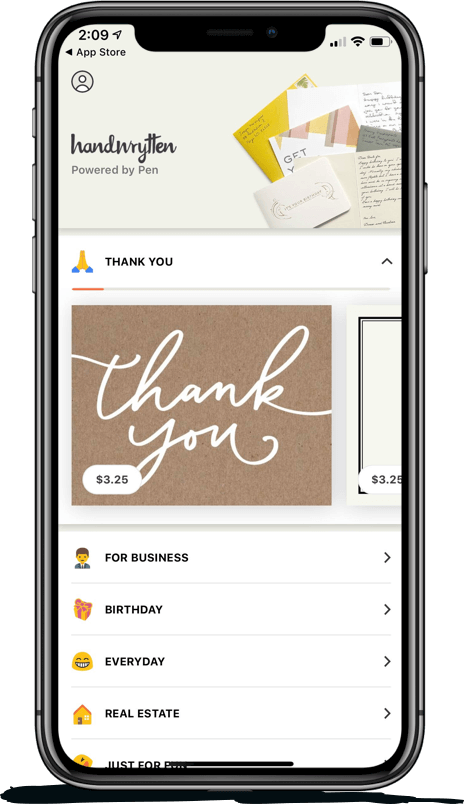
Scale your handwritten outreach, creating positive impressions and long lasting bond.
Sign Up Today!

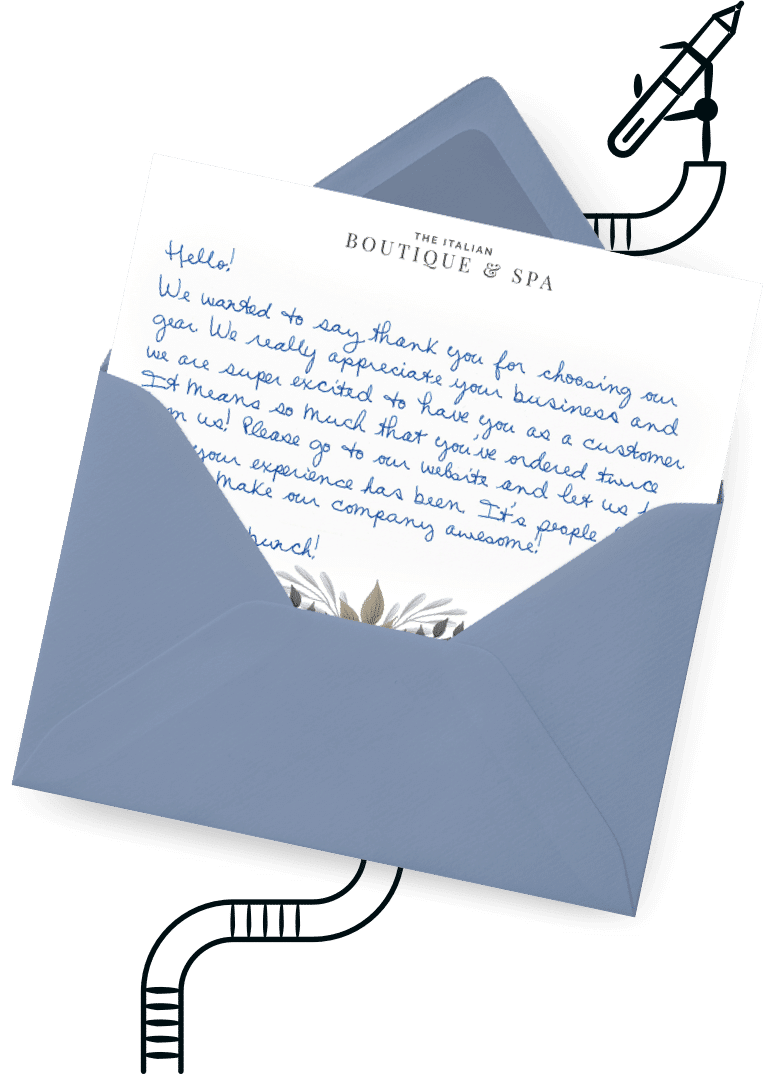

Over 100 designs to choose from or design your own. Our online card customizer makes it simple.
Check Out Our Cards!


Thank you.
