



December gets all the credit. July gets all the opportunity.
Christmas in July marketing is one of the most creative and most underleveraged strategies available to businesses looking to break through the midsummer slump — and one of the most versatile when applied with genuine intention across B2B relationships, consumer audiences, and internal team culture simultaneously. The concept isn’t new, but the strategic application of it as a genuine outreach and reengagement tool is something most organizations have never considered seriously.
The midsummer window — late July specifically — sits in one of the quietest stretches of the business calendar. Decision-makers are on vacation. Pipelines slow down. Marketing campaigns lose momentum. Employees hit the mid-year fatigue point where the energy of January resolutions has faded and the motivating push of Q4 hasn’t yet arrived. Most businesses respond to this lull by simply waiting it out — pushing through July with reduced expectations and banking on September to restart the momentum.
Christmas in July marketing takes a completely different approach. It uses a universally recognized, emotionally resonant holiday concept — the warmth, the generosity, the celebratory spirit of Christmas — deployed at a moment when nobody expects it, to create the kind of genuine surprise and delight that cuts through summer noise and creates memorable impressions at exactly the moment when most competitors have gone quiet.
Here’s how to make it work — for clients, customers, prospects, and the team that makes your business run.
The strategic case for Christmas in July marketing starts with the same principle that makes Halloween cards and Thanksgiving notes effective: unexpected seasonal outreach in a quiet window commands disproportionate attention. When every other business is in summer slowdown mode, the organization that shows up with something warm, fun, and genuinely creative occupies a completely uncontested space in their audience’s awareness.
Christmas in July marketing amplifies this effect by borrowing the emotional associations of one of the most warmly regarded holidays in the calendar — goodwill, generosity, celebration, surprise — and delivering them at a moment when recipients are genuinely surprised to encounter them. That surprise is the mechanism. A handwritten Christmas in July card arriving on a client’s desk in late July creates a moment of genuine delight that no email campaign, no social media post, and no standard summer outreach piece can replicate.
For midsummer reengagement specifically, the Christmas in July frame provides natural permission for outreach that might otherwise feel forced. Reaching out to a dormant prospect in July with a sales email requires justification. Reaching out with a Christmas in July card that says “we’re spreading a little midsummer cheer” requires none — the holiday concept itself provides the context, and the surprise of it creates the curiosity that makes engagement feel natural rather than pressured.
The midsummer window is one of the best moments in the calendar for reactivating B2B relationships that have gone quiet — and Christmas in July marketing provides the perfect vehicle. A handwritten Christmas in July card to a prospect who went cold in Q2, or a client relationship that has drifted since the last project, arrives with a completely disarming quality: it’s warm, it’s unexpected, and it carries absolutely no commercial pressure.
The humor and warmth of the Christmas in July concept does most of the relational work before the message is even read. The recipient picks up the card, registers the concept, smiles — and is already in a positive emotional state before they’ve processed a single word of the content. That’s the most valuable starting point for any reengagement touchpoint.
Sample Christmas in July B2B reengagement messages:
“Happy Christmas in July, [Name] — we know it’s not December, but we figured midsummer was the perfect time to reach out, spread some cheer, and remind you that we’re here whenever the timing feels right. No pressure — just a little July warmth from our team to yours.”
“It’s Christmas in July at [Company] — and that means we’re taking a moment to reach out to the people we genuinely enjoy working with. Hope summer is treating you well. Looking forward to reconnecting when the time is right.”
“Christmas in July felt like exactly the right excuse to reach out. We’ve been following what [Company] has been up to and would love to reconnect when the midsummer chaos settles. Happy July from our whole team.”
For existing B2B clients, a Christmas in July marketing touchpoint communicates something that most vendor and partner relationships rarely deliver in July: that the relationship is valued independently of the transaction cycle, and that your organization is willing to invest in a genuine moment of surprise and delight at a moment when no invoice or renewal is pending.
Sample Christmas in July B2B client messages:
“Happy Christmas in July, [Name] — we couldn’t let the best unofficial holiday of the year pass without reaching out to one of our favorite clients. Wishing you a wonderful midsummer and looking forward to everything ahead in H2.”
“It’s the most wonderful time of the summer — and we wanted to reach out personally to say how much we appreciate your partnership. Happy Christmas in July from our entire team.”
Consumer audiences are particularly receptive to Christmas in July marketing because the concept has enough cultural recognition to feel familiar while remaining genuinely surprising as a business outreach touchpoint. Most consumers have heard of Christmas in July — few have ever received a handwritten Christmas in July card from a business they patronize.
That gap is the opportunity. A handwritten Christmas in July card arriving in a consumer’s mailbox in late July — warm, playful, and paired with a modest seasonal offer — creates a brand moment that no summer email campaign produces. It’s the kind of unexpected gesture that gets mentioned to a spouse, shown to a friend, and occasionally posted on social media — generating organic word-of-mouth that no paid campaign can replicate at the same cost.
Sample Christmas in July B2C consumer messages:
“Happy Christmas in July, [Name] — because you deserve a little holiday cheer in the middle of summer too. Thank you for being such a valued part of our community. Enjoy a little midsummer treat — on us.”
“It’s Christmas in July — and that means it’s the perfect time to say thank you for your loyalty. We appreciate you more than a standard seasonal email can express. Wishing you a wonderful summer.”
“Surprise — it’s Christmas in July! We’re spreading a little midsummer cheer to our favorite customers. Thank you for everything. Enjoy the season — and the treat inside.”
Christmas in July marketing for consumer audiences is most effective when paired with a modest seasonal offer that creates an immediate, tangible reason to engage. A gift card insert, a discount code, a limited-time promotion, or a special July-only offer transforms a pleasant gesture into a memorable brand moment with measurable commercial impact.
Sample paired offer messages:
“Happy Christmas in July, [Name] — to celebrate the best unofficial holiday of the year, we’ve included a little something just for you. Use code JULY25 for 25% off your next order — our midsummer gift to one of our favorite customers.”
“It’s Christmas in July at [Brand] — and that means treats for our best customers. Enjoy the gift card inside as a small token of our genuine appreciation. Happy midsummer!”
The internal application of Christmas in July marketing is the one most organizations never consider — and the one with the highest return per dollar invested in team culture and mid-year engagement. July sits at the precise midpoint of the annual work calendar — a moment when the energy of the year’s beginning has faded, the motivating push of Q4 hasn’t yet arrived, and team members are most susceptible to the kind of mid-year fatigue and disengagement that quietly costs organizations productivity and retention.
A Christmas in July celebration for your team — combining a fun, unexpected holiday concept with genuine individual recognition delivered in handwritten form — creates a culture moment that breaks the midsummer routine, communicates genuine appreciation for the team’s mid-year effort, and generates the kind of positive energy that sustains performance through the second half of the year.
Handwritten mid-year appreciation cards. A handwritten Christmas in July card from leadership to each team member — acknowledging their specific contributions to the first half of the year and expressing genuine enthusiasm for the second — creates the kind of individual recognition that most employees never receive at this moment in the calendar.
“Happy Christmas in July, [Name] — and happy halfway point. The first half of this year has been genuinely impressive, and your contribution to what we’ve accomplished has been a big part of why. Thank you — and here’s to an even stronger H2.”
“It’s Christmas in July at [Company] — and that means it’s time to celebrate everything this team has accomplished so far this year. You’ve given a lot to get here. Thank you — genuinely. Here’s to a wonderful second half.”
A midsummer team event. A Christmas in July themed team lunch, virtual celebration, or office party — complete with seasonal decorations, holiday music, and the genuine acknowledgment of mid-year achievements — creates a culture moment that most teams have never experienced and that generates significant positive energy and team cohesion.
Mid-year bonus or gift acknowledgment. Pairing a mid-year bonus, a gift card, or a team gift with a handwritten Christmas in July note creates a recognition moment that communicates both material appreciation and genuine personal acknowledgment — the combination that sustains employee loyalty most reliably.
Welcome back from vacation cards. For team members returning from summer vacation, a handwritten Christmas in July card waiting on their desk creates a warm, playful welcome back that communicates genuine care for the person behind the role.
“Welcome back — and happy Christmas in July. We missed you and hope the break was everything you needed. Glad to have you back.”
A Christmas in July marketing campaign — covering B2B reengagement, B2C customer appreciation, and internal team recognition simultaneously — is one of the most cost-effective mid-year relationship investments available. Here’s how to build it:
Step 1 — Segment your audiences. Identify three separate lists: B2B clients and prospects for reengagement outreach, B2C customers for surprise-and-delight, and internal team members for mid-year recognition. Each segment needs a different message tone and approach — the B2B reengagement message is warm and low-pressure, the B2C consumer message is playful and appreciative, and the internal message is personal and specific.
Step 2 — Design your cards. Christmas in July marketing calls for a card design that captures the seasonal fun without feeling out of place in summer — think subtle holiday elements reimagined in summer colors, or a playful juxtaposition of Christmas imagery and summer themes. Handwrytten’s card design options and custom stationery tools support fully branded Christmas in July campaign materials.
Step 3 — Write your messages. Use the message examples throughout this guide as starting points — personalizing for your specific relationships, adding the recipient’s name and any specific details that make each card feel individually written. Dynamic personalization fields in Handwrytten’s platform allow one message template to produce hundreds of individually personalized cards.
Step 4 — Add your extras. Gift card inserts, branded seasonal items, discount codes, or QR codes linking to a special Christmas in July landing page all elevate the campaign beyond the card itself and create measurable engagement data.
Step 5 — Time your campaign. July is one of the best months in the calendar to spread midsummer cheer — and Christmas in July doesn’t have to be limited to a single day. While July 25th is the traditional date, the entire month of July represents a wide-open outreach window where a handwritten card arriving at any point creates a genuine impression with almost no competition for attention. Send in the first week of July to kick off the month with a surprise. Send mid-month to break through the midsummer lull. Or send in the final week to close July with warmth before August arrives.
For campaigns targeting July 25th specifically, submit your Handwrytten order by mid-July to account for the one-to-two business day production window plus standard delivery time. For a full-month July campaign — staggering outreach across different audience segments throughout the month — configure your campaign in late June and schedule delivery windows across July accordingly.
For a dormant B2B prospect:
“Happy Christmas in July — we know it’s a bit early for the real thing, but we figured midsummer was the perfect moment to reach out and say hello. Hope summer is treating [Company] well. No agenda here — just a little July cheer and the hope that we can reconnect when the timing feels right.”
For a loyal B2C customer:
“It’s Christmas in July — and you deserve a little midsummer celebration. Thank you for your loyalty and your support. Enjoy a little something from us as our way of saying we genuinely appreciate you.”
For a strategic B2B partner:
“Happy Christmas in July from our team to yours. The partnership we’ve built is something we genuinely value — and the best unofficial holiday of the year felt like exactly the right moment to say so. Here’s to a strong second half of the year together.”
For an employee mid-year recognition:
“Happy Christmas in July, [Name] — halfway through the year and the work you’ve done to get here has been genuinely impressive. Thank you for everything you bring to this team. Here’s to an even better second half.”
For a new customer welcome:
“Welcome — and happy Christmas in July! You’ve just joined at the best time of year — and we’re thrilled to have you. Thank you for choosing us. Enjoy a little midsummer treat from our team.”
Is Christmas in July marketing appropriate for professional B2B contexts?
Yes — the playful, self-aware quality of the Christmas in July concept is precisely what makes it effective in professional contexts. It communicates personality, creativity, and social intelligence — qualities that sophisticated B2B professionals respond well to. The key is calibrating the tone appropriately: warm and lighthearted for creative or entrepreneurial audiences, slightly more restrained for highly conservative industries.
When exactly should Christmas in July cards be sent?
Target arrival in the third week of July — as close to July 25th as possible for maximum seasonal relevance. Submit your Handwrytten campaign by early July to account for production and delivery timelines.
Can Christmas in July marketing include promotional content?
Yes — more naturally than most seasonal outreach contexts. The playful spirit of the holiday provides permission for a seasonal offer that feels like a genuine gift rather than a commercial message. Keep the offer modest and frame it as a midsummer treat rather than a sales promotion.
How does Christmas in July marketing complement the full-year outreach calendar?
It fills the single most significant gap in most organizations’ seasonal outreach calendars — the midsummer window between spring campaigns and fall planning. A Christmas in July touchpoint in late July, combined with Halloween outreach in October, Thanksgiving cards in November, and December holiday cards, creates a four-touchpoint H2 relationship-building program that sustains client and customer engagement through the entire second half of the year.
Can a Christmas in July campaign be automated through Handwrytten?
Yes. Handwrytten’s CRM integrations allow Christmas in July campaigns to be configured in advance and executed automatically — pulling recipient data, personalizing each card, and managing production and mailing without any manual effort from your team.
Christmas in July marketing isn’t a gimmick. It’s a genuine strategic opportunity — a moment of universal warmth and celebratory spirit deployed at exactly the point in the calendar when most businesses have gone quiet, most clients haven’t heard from their vendors in weeks, and most teams are quietly running low on mid-year energy.
Show up in July with something warm, unexpected, and genuinely fun. The impression it creates — for clients, customers, and the people on your team — is one that December rarely gets the credit for producing.
Start Sending → handwrytten.com


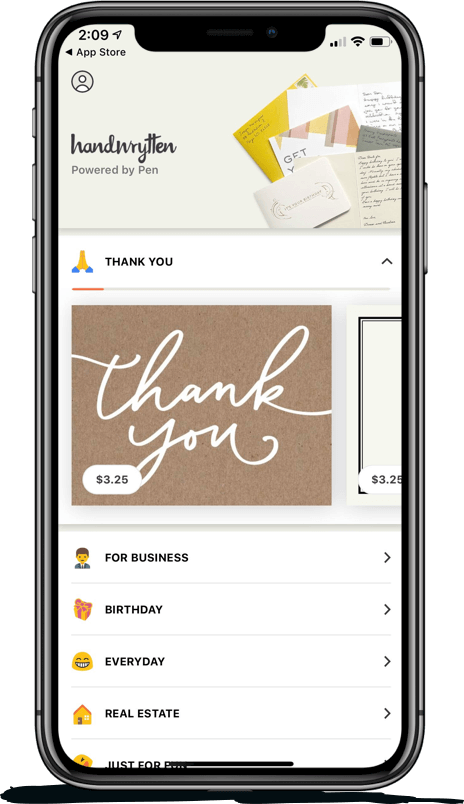
Scale your handwritten outreach, creating positive impressions and long lasting bond.
Sign Up Today!

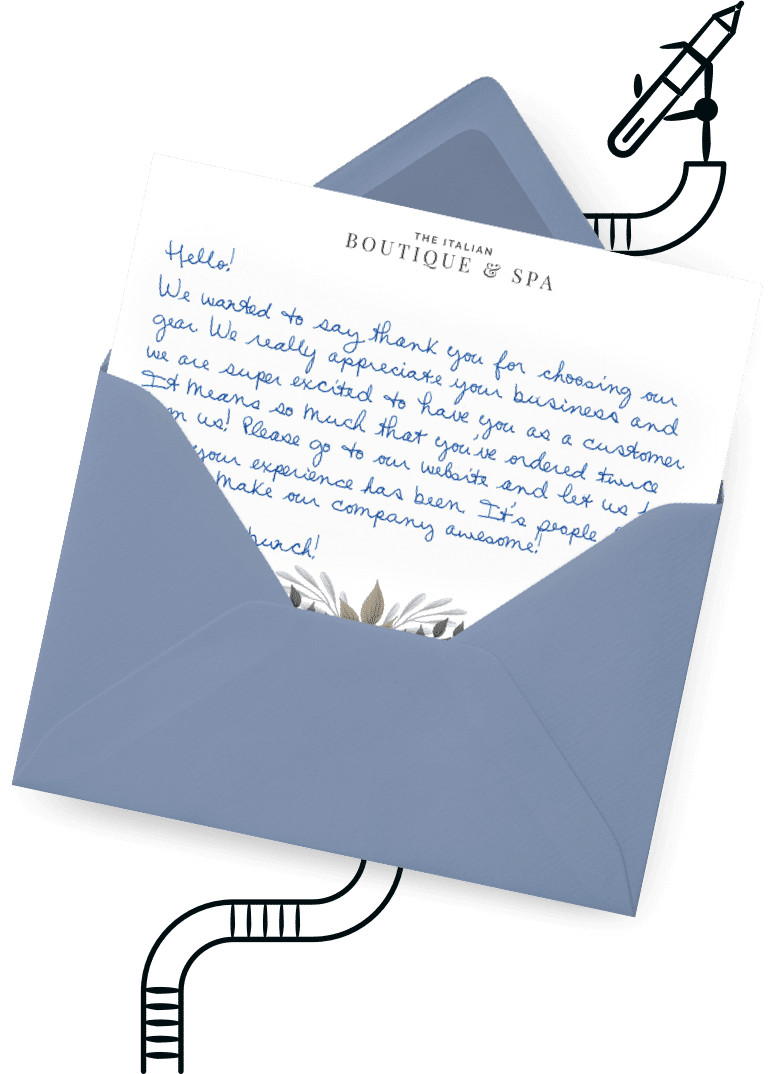

Over 100 designs to choose from or design your own. Our online card customizer makes it simple.
Check Out Our Cards!




Thank you.
