



Speed closes deals. Genuine connection keeps them closed — and generates the next ten.
Personal touches in your sales pipeline are the difference between a lead that converts once and a relationship that sustains a business for years. The personal touches sales pipeline advantage isn’t theoretical — it shows up in response rates, conversion rates, retention numbers, and the referral activity that sustains growth without proportional increases in acquisition spend. In a sales environment where automation has made outreach faster, more scalable, and increasingly indistinguishable from every competitor’s outreach, the organizations that break through aren’t the ones with the most sophisticated sequences or the highest email volume. They’re the ones that make prospects and clients feel genuinely seen.
The personal touches sales pipeline strategy isn’t about slowing down your process or adding manual work to every touchpoint. It’s about deploying the right kind of human gesture at the right moment — the moments when a prospect is forming their impression of your organization, deciding whether to move forward, or determining whether an existing relationship is worth maintaining. At those moments, a handwritten note does something that no email, no text, and no LinkedIn message can: it arrives as physical evidence that a real person thought specifically about this specific individual and considered the relationship worth a tangible gesture.
This guide covers the complete framework — where personal touches create the highest impact in the sales pipeline, what to write at each stage, and how to build a systematic approach that makes genuine personal outreach scalable rather than sporadic.
The psychology behind personal touches in the sales pipeline is well-established — and the mechanism is straightforward. Sales relationships are built on trust, and trust is built through evidence of genuine attention. Every touchpoint in a sales pipeline either builds or erodes the prospect’s sense that your organization is genuinely invested in their success rather than in the transaction itself.
Most sales touchpoints — automated email sequences, templated follow-ups, mass LinkedIn outreach — build the transaction sense. They’re efficient, professionally executed, and communicate implicitly that the sender is running a volume play rather than making a genuine individual connection. Prospects who receive these touchpoints process them accurately: as automated outreach, not personal investment.
A handwritten note in the sales pipeline creates a completely different signal. It communicates that someone in your organization deliberately chose to spend time on this specific person — not because they were next on an automated sequence, but because the relationship was considered worth the extra effort. That signal builds trust at a neurological level that digital communication cannot replicate — because it triggers the same social reciprocity response that genuine human generosity has always triggered.
The personal touches sales pipeline approach doesn’t replace digital outreach. It elevates it — by creating the relational warmth that makes every subsequent digital touchpoint land in a context of genuine trust rather than generic professional communication.
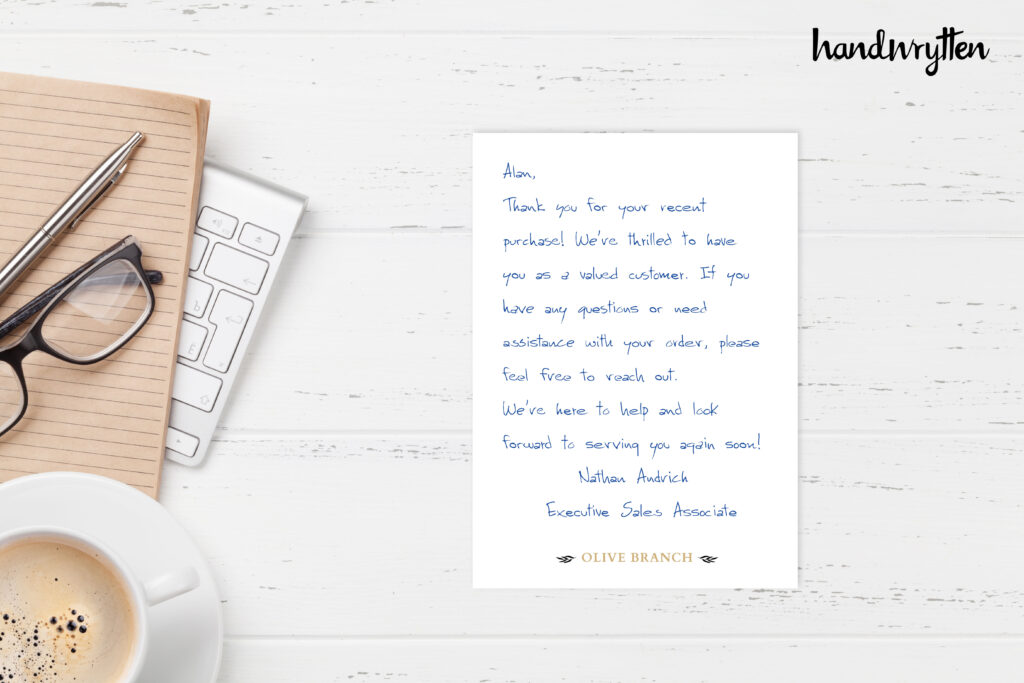
The first substantive conversation with a prospect — a discovery call, a consultation, a product demo, an initial meeting — is the moment when the relationship begins to feel real on both sides. The prospect has invested time, shared context about their challenges, and formed an initial impression of your organization. The personal touches sales pipeline approach captures that moment with a handwritten note that arrives two to three days after the conversation.
That note does something the follow-up email can’t: it arrives in a physical format that signals individual attention, references something specific from the conversation, and communicates genuine interest in the relationship rather than in the transaction. The prospect who receives a handwritten note after a first conversation has a fundamentally different experience of your organization than the one who receives a templated follow-up sequence.
Sample messages:
“[Name] — I genuinely enjoyed our conversation yesterday. Your point about [specific topic] has stayed with me, and I’m increasingly convinced there’s a real opportunity worth exploring together. Looking forward to continuing the conversation.”
“[Name] — thank you for the time and context you shared in our call. I learned a lot, and I’m excited about what we might build together. Looking forward to next steps.”
Pro tip: Take notes during the conversation specifically for the purpose of the follow-up handwritten note — one specific detail that proves you were listening is worth more than three paragraphs of polished generic appreciation.
Every sales pipeline has them — the warm leads that went quiet, the prospects who showed genuine interest and then stopped responding, the opportunities that felt close and then went cold. These are the highest-value targets for personal touches in the sales pipeline, because the relationship already has a foundation and the barrier to re-engagement is usually inertia rather than genuine disinterest.
A handwritten note is one of the most effective re-engagement tools available precisely because it arrives in a format that no automated re-engagement sequence uses. The prospect who has been ignoring follow-up emails for three months encounters a physical card in their mailbox — and the format alone communicates enough genuine effort to create the curiosity that prompts a response.
Sample messages:
“[Name] — it’s been a while since we last connected, and I wanted to reach out personally rather than through another email. I’m still genuinely interested in the conversation we started, and I’d love to reconnect whenever the timing feels right. No pressure — just a note from someone who thinks there’s something worth exploring.”
“[Name] — I’ve been thinking about the challenge you described when we spoke earlier this year and wanted to reach out directly. I believe we’ve developed something that speaks specifically to what you were navigating. Worth a conversation when you have the time.”
The post-proposal window is one of the most anxious periods in the sales pipeline — and one of the highest-leverage moments for a personal touches sales pipeline strategy that reinforces the relationship while the decision is being made. Most salespeople send a follow-up email after a proposal. Almost nobody sends a handwritten note.
A handwritten note arriving two to three days after a proposal submission — warm, confident, and free of any follow-up pressure — creates a physical presence in the prospect’s environment during the exact period when they’re deciding whether your organization is the right choice. It communicates confidence in the relationship rather than anxiety about the outcome, and it keeps your brand physically present in the prospect’s space in a way that no digital touchpoint achieves.
Sample messages:
“[Name] — thank you for the time you invested in reviewing our proposal. We put real thought into it — specifically because of the context you shared about what [Company] is working toward. Whatever you decide, I’m grateful for the relationship we’ve built, and I’m here for any questions.”
“[Name] — I wanted to reach out personally after sending the proposal. We’re genuinely excited about the possibility of working together, and we’re committed to making sure whatever we build for you reflects exactly what you’re looking for. Looking forward to the conversation.”
The post-purchase moment is when most organizations shift their attention to delivery and away from relationship-building — and when the personal touches sales pipeline strategy creates some of its most lasting impressions. A client who just made a significant purchasing decision has extended real trust, often after a period of genuine deliberation. A handwritten note acknowledging that trust — and expressing genuine enthusiasm for the partnership — creates an emotional anchor that shapes the entire delivery phase of the relationship.
The client who begins a new engagement having received a handwritten note from the salesperson who closed the deal arrives at onboarding with a warmer disposition, a higher tolerance for early friction, and a stronger initial loyalty than the one who received only a contract confirmation email.
Sample messages:
“[Name] — thank you for the trust you’ve placed in us. We don’t take it lightly, and we’re genuinely committed to making sure every element of what we deliver reflects the care you put into this decision. Excited to get started.”
“[Name] — welcome. We’re thrilled to have you working with us and genuinely invested in your success from day one. Thank you for choosing us — now let’s build something worth the confidence you’ve shown.”
“[Name] — signing a new partnership is always a meaningful moment, and we wanted to mark it personally. Thank you for your trust and your partnership. We’re looking forward to everything ahead.”
The personal touches sales pipeline strategy doesn’t end at conversion — it extends through the entire client lifecycle, creating the kind of sustained relational warmth that drives renewal, expansion, and referral activity. The personal touches sales pipeline touchpoints that sustain long-term relationships are the ones that arrive without any commercial agenda: client anniversaries, milestone acknowledgments, seasonal outreach, and the occasional unexpected note that arrives simply to express ongoing appreciation.
Client anniversary: “One year of working together — and we’re genuinely grateful for every month of it. Thank you for the trust you’ve placed in us and for the partnership we’ve built. Looking forward to everything ahead in year two.”
Milestone acknowledgment: “We heard about [specific achievement or milestone] and wanted to reach out personally to say congratulations. What you’ve built is genuinely impressive, and we’re proud to play even a small part in supporting it.”
Unexpected appreciation: “No particular occasion for this note — just a genuine moment of appreciation for the relationship we’ve built and the trust you continue to extend. Thank you for being the kind of client that makes this work worthwhile.”
The difference between a personal touches sales pipeline approach that genuinely differentiates and one that produces occasional nice moments is systematization. A single handwritten note is a gesture. A consistent cadence of handwritten outreach at every meaningful pipeline stage is a competitive advantage.
Building that system requires three things:
Trigger mapping. Identify every meaningful moment in your sales pipeline where a personal touch would have the highest impact — first conversation, proposal submission, contract signing, 30-day and 90-day post-close check-ins, client anniversaries, and milestone moments. Map a handwritten note to each trigger so the decision of when to send is already made.
Message templates by stage. Prepare message frameworks for each pipeline trigger — not scripts to copy verbatim, but structures that make personalization faster. The template handles the format; the salesperson fills in the specific detail that makes the note feel genuinely individual.
Automation infrastructure. For sales teams managing large pipelines, Handwrytten’s CRM integrations with Salesforce, HubSpot, and other platforms allow handwritten notes to be triggered automatically when pipeline milestones are reached — each card produced with real pen on real paper, personalized with the recipient’s name and a message tailored to the specific stage and relationship, and mailed without any manual effort from the sales team.
Handwrytten’s robotic pen-and-ink technology produces genuinely handwritten notes at any volume — which means a sales team of ten managing a pipeline of five hundred active prospects can maintain the personal touches sales pipeline approach consistently, without any individual salesperson being overwhelmed by the manual work that a fully handwritten program would otherwise require.
Not all personal touches are equally effective — and the difference between one that creates a lasting impression and one that feels performative comes down to a few specific qualities:
Specificity over warmth. A note that references one specific detail from a conversation communicates genuine individual attention. A note that’s warm and professional but could have been sent to anyone communicates the opposite. The personal touches sales pipeline strategy only works when the personal touches are actually personal.
Brevity over eloquence. Three sincere sentences outperform three paragraphs of polished prose every time. The handwritten notes sales format is inherently intimate — it should feel like a personal message, not a formal communication. Keep it short enough to be read in thirty seconds and genuine enough to be remembered for a week.
Timing over perfection. A handwritten note that arrives two days after a conversation with a slightly imperfect message is more effective than a perfectly crafted note that arrives three weeks later. Timeliness signals that the sender was genuinely thinking about the recipient — not executing a delayed follow-up task.
No agenda over any agenda. The personal touches sales pipeline approach works most powerfully when the handwritten note carries no commercial content — no offer, no next step, no subtle CTA. A note that exists purely to express genuine appreciation creates the most durable impression and the strongest reciprocity response.
How do personal touches in the sales pipeline improve conversion rates? By building the trust and emotional connection that makes the final conversion decision feel like a natural next step rather than a risk. The personal touches sales pipeline advantage is most visible in competitive situations — where two organizations are offering comparable products or services and the relationship itself becomes the deciding factor. Prospects who feel genuinely seen and valued consistently choose the organization that made them feel that way.
When is the most important moment for a personal touch in the sales pipeline? After the first meaningful conversation — because this is when the prospect’s impression of your organization is most malleable and when a genuine personal gesture creates the strongest positive emotional anchor. Every subsequent personal touches sales pipeline touchpoint builds on the foundation laid at this moment.
Can handwritten notes in the sales pipeline be automated without losing authenticity? Yes. Handwrytten’s platform produces genuinely handwritten notes — real pen on real paper — triggered automatically through CRM integrations when pipeline milestones are reached. The automation handles the consistency and scale. The genuine handwriting and individual personalization preserve the authentic quality that makes the personal touch effective.
How specific should handwritten notes in the sales pipeline be? As specific as your notes from the conversation allow. One genuine detail — a challenge the prospect mentioned, a goal they’re working toward, a specific point from the conversation that stayed with you — is worth more than any amount of professional warmth. Specificity is the proof of genuine attention and the foundation of an effective personal touches sales pipeline strategy.
What’s the ROI of a personal touches sales pipeline approach? The most direct measures are response rate improvement on re-engagement outreach, conversion rate differential between prospects who received handwritten notes and those who didn’t, and referral activity among clients in the program. Organizations that track these metrics consistently find that the personal touches sales pipeline approach produces measurable improvements across all three.
The sales pipeline advantage doesn’t belong to the organizations with the fastest sequences or the highest email volume. It belongs to the ones willing to treat prospects and clients as individuals worthy of genuine personal attention — and to deliver that attention in a format that communicates it clearly, consistently, and at the moments that matter most.
Personal touches in the sales pipeline don’t just improve conversion rates. They build the kind of relationships that sustain a business long after the initial sale has closed — and generate the referrals, renewals, and expansions that make every pipeline investment compound over time.
Start Sending → handwrytten.com
Editor’s note: This article was revised in June 2026


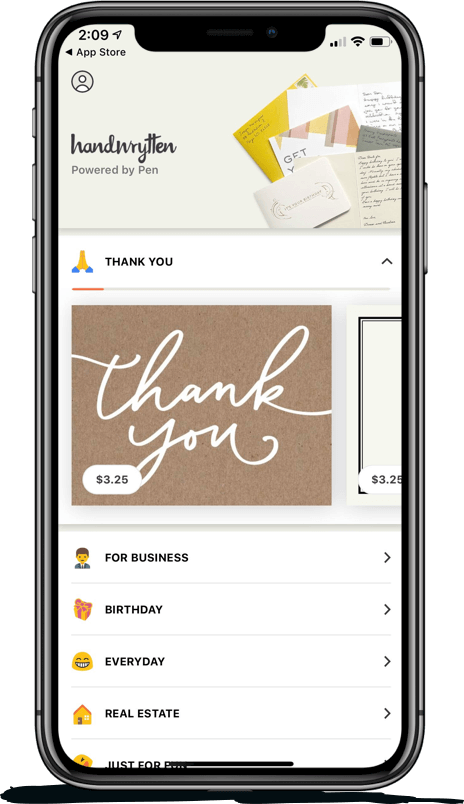
Scale your handwritten outreach, creating positive impressions and long lasting bond.
Sign Up Today!

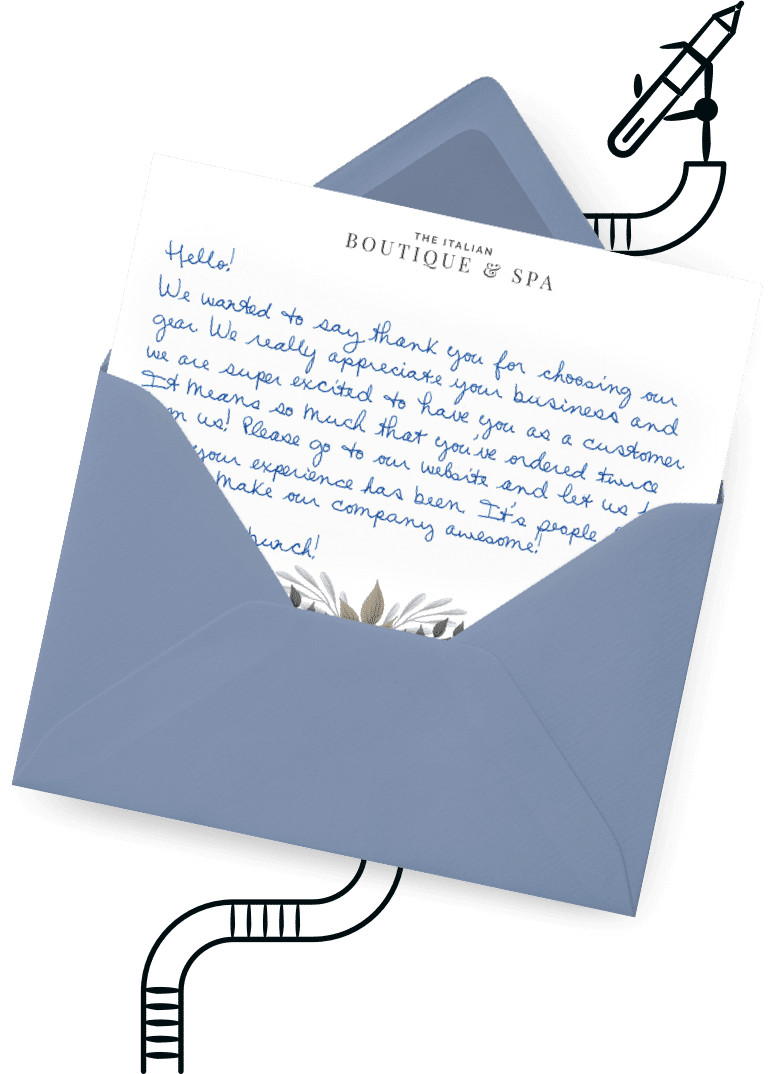

Over 100 designs to choose from or design your own. Our online card customizer makes it simple.
Check Out Our Cards!




Thank you.
