



The companies with the lowest turnover aren’t always the ones with the best perks. They’re the ones whose people feel genuinely seen.
Physical mail culture is one of the most underleveraged tools in the modern HR and leadership playbook — and the gap between the organizations that use it deliberately and those that don’t shows up directly in retention rates, engagement scores, and the kind of team cohesion that makes a workplace worth staying in.
Most companies invest heavily in the visible elements of culture: office design, team events, recognition platforms, benefit packages. These matter. But the culture that actually keeps people — the one that makes an employee think twice before accepting a competing offer, that makes a new hire feel like they made the right decision, that makes a five-year team member feel seen rather than taken for granted — is built in the smaller, more personal moments that most organizations never design for.
A handwritten card arriving at someone’s home on their work anniversary. A welcome note waiting on a new hire’s desk before they’ve attended their first meeting. A congratulations card from a senior leader acknowledging a specific contribution that could easily have gone unnoticed. These are the moments that build physical mail culture — and the organizations that create them consistently are the ones whose employees describe their workplace as somewhere people genuinely care about each other.
Here’s why it works, where it works best, and how to build it into your organization systematically.
Employee recognition has gone almost entirely digital — and in doing so, it has lost something significant. Recognition platforms, Slack shoutouts, email acknowledgments, and digital badges are efficient and scalable. They’re also processed by recipients the same way every other digital notification is processed: quickly, categorically, and without lasting emotional impact.
The problem isn’t the intention behind digital recognition. It’s the format. When every piece of communication — from a meeting invite to a performance review to a “great work today” message — arrives through the same digital channel, the emotional weight of any individual message is diluted by the noise around it. A recognition notification competes with a project update, a calendar reminder, and seventeen Slack messages — and it loses.
Physical mail culture solves that problem by arriving somewhere different entirely. A handwritten card doesn’t compete with anything. It arrives in a physical space — on a desk, in a home mailbox, held in someone’s hands — where it commands the recipient’s full attention without competition. The format itself signals effort and individual intention in a way that no digital message can replicate. And the emotional response it produces — genuine appreciation, the feeling of being personally seen — is what the digital alternatives are always reaching for and rarely achieving.
That emotional response is the foundation of employee retention. People don’t leave companies because the recognition platform stopped sending notifications. They leave because they stopped feeling like their contributions mattered to the people they work for. Physical mail culture is one of the most reliable ways to ensure that feeling never takes hold.
The first impression a new employee forms of your organization’s culture is made before they’ve attended their first all-hands, before they’ve met their full team, and often before they’ve logged in to their first system. It’s made in the first moments of their first day — and those moments set a tone that’s remarkably durable.
Most onboarding experiences are logistical: equipment setup, system access, benefit enrollment, compliance training. All necessary. None of it communicates culture. A handwritten welcome note — arriving before the first day or waiting on the desk when the new hire arrives — does something that no orientation checklist can: it tells the person that the organization was thinking about them specifically, before they’d contributed anything, simply because their arrival mattered.
That signal — of genuine welcome rather than administrative processing — is the first brick in the physical mail culture foundation. It tells new employees what kind of place this is before they’ve had to figure it out for themselves.
Sample new hire welcome note: “Welcome — we’re genuinely glad you’re here. The team has been looking forward to your arrival, and we can’t wait to see what you bring to what we’re building. If there’s anything you need as you settle in, please don’t hesitate to reach out.”
For remote new hires specifically, a handwritten welcome card mailed to their home carries even more weight — because the physical gesture bridges the distance that remote onboarding often fails to close. A new remote employee who receives a handwritten card at home before their first day starts that relationship already feeling connected to an organization they haven’t yet physically entered.
Work anniversaries are the highest-impact physical mail culture touchpoint available — and the one most consistently overlooked. Most organizations acknowledge the first anniversary, perhaps the fifth, and maybe the tenth. The years in between pass without acknowledgment, quietly communicating to employees that their ongoing loyalty is expected rather than valued.
That quiet communication accumulates. An employee who reaches their third anniversary having heard nothing about it doesn’t feel taken for granted in one dramatic moment — they feel it incrementally, through the absence of recognition that would have told them their commitment was noticed. By the time the fourth anniversary arrives, the groundwork for departure has often already been laid.
A handwritten anniversary card — sent every year, referencing the specific tenure and expressing genuine appreciation for the continued commitment — closes that gap. It says: we track this because it matters to us. We noticed you stayed another year, and we want you to know that means something.
One-year anniversary: “One year in — and what a year it’s been. Thank you for everything you’ve brought to this team. We’re genuinely glad you’re here and looking forward to everything ahead.”
Five-year anniversary: “Five years. That’s not a small thing — it’s a commitment, and we don’t take it lightly. Thank you for everything you’ve given to this organization over the past five years. It has mattered more than you probably know.”
Ten-year anniversary: “A decade. We are genuinely in awe of the commitment that represents — and deeply grateful for every year of it. Thank you for what you’ve built here, what you’ve given here, and what you’ve made possible for everyone around you.”
Pro tip: Handwrytten’s platform integrates with HRIS systems to trigger anniversary cards automatically on the right date — so every employee receives a handwritten acknowledgment of their work anniversary without anyone on your team having to track or initiate it manually.
Work anniversaries mark time. Milestone recognition marks impact — the specific contributions, achievements, and moments of excellence that define what an employee actually does rather than simply how long they’ve been doing it.
A promotion, the successful completion of a difficult project, a significant new skill achieved, a particularly strong quarter, a moment of leadership that influenced the team — these are the milestones that employees want to feel acknowledged for, and that most organizations acknowledge inadequately if at all.
A handwritten note from a manager or senior leader acknowledging a specific milestone communicates something that an automated recognition platform notification cannot: that a real person noticed this specific achievement by this specific individual and considered it worth a moment of genuine acknowledgment. That specificity — the fact that someone paid enough attention to know what happened and why it mattered — is what makes milestone recognition through physical mail culture so impactful.
After a successful project completion: “The work you did on [project] was genuinely exceptional — I wanted to make sure you heard that directly. The way you handled [specific aspect] made a real difference to the outcome and to everyone involved. Thank you.”
After a promotion: “Congratulations on a promotion that everyone who works with you saw coming. This is a recognition of the work you’ve already been doing, and we’re excited to see what you accomplish in this new role.”
After a particularly strong performance period: “The quarter you just had was something worth marking. Your results speak for themselves — but what I want you to know is that the way you approached the work, the commitment you brought every day, didn’t go unnoticed by the people paying attention.”
Remote and hybrid work environments create a specific culture challenge that physical mail is uniquely positioned to address. The incidental moments of connection that happen naturally in an office — a conversation in the hallway, a shared lunch, a spontaneous acknowledgment after a meeting — don’t transfer to remote environments. Culture in a distributed team has to be built deliberately, through intentional touchpoints that bridge the physical distance.
A handwritten card mailed to a remote employee’s home does something that no video call or Slack message can: it arrives in their personal space, holding evidence that the organization thought about them specifically enough to send something physical. That gesture carries disproportionate weight in a remote context precisely because it’s so unexpected — because most distributed organizations never think to do it.
Physical mail culture is especially effective for remote teams at these specific moments:
New hire onboarding. A welcome card arriving at a remote employee’s home before their first day establishes connection before a single meeting has taken place.
Work anniversaries. For remote employees who don’t experience the in-office celebrations that might otherwise mark tenure milestones, a handwritten anniversary card is often the only personal acknowledgment of the occasion — and its impact is correspondingly significant.
After high-stress periods. When a remote team has pushed hard through a demanding stretch — a product launch, a difficult quarter, an organizational change — a handwritten note acknowledging the effort and expressing genuine gratitude arrives in their home as a tangible reminder that the organization sees and values what they gave.
Birthday recognition. A birthday card mailed to a remote employee’s home is an unexpected, personal gesture that communicates genuine care for the person behind the role — and that creates a sense of belonging in a distributed environment that’s otherwise difficult to cultivate.
The culture an organization builds internally is increasingly visible externally — through reviews on Glassdoor and LinkedIn, through the stories employees tell when they refer candidates, and through the reputation that precedes an organization in its industry.
Physical mail culture contributes to that external reputation in two specific ways.
It generates employee advocacy. Employees who receive consistent, personal, physical recognition from their organization talk about it — to friends, to former colleagues, to the professional networks where recruitment happens. The organization that sends handwritten work anniversary cards becomes the one that “actually treats people like people” in those conversations — a reputation that attracts candidates before any formal recruitment effort begins.
It improves offer acceptance rates. A handwritten note sent to a candidate after an interview — thanking them for their time and expressing genuine interest in the conversation — creates an impression that no other employer in their process is likely matching. The reciprocity effect that follows means the candidate arrives at the offer stage already predisposed toward your organization. That predisposition improves acceptance rates and reduces the negotiation friction that delays onboarding.
Sample post-interview note: “Thank you for the time you spent with us yesterday — the conversation was genuinely interesting, and your perspective on [specific topic] has stayed with us. We’ll be in touch soon, and we’re looking forward to the possibility of working together.”
The difference between a physical mail culture that transforms retention and one that produces occasional nice moments is systematization. A single handwritten card is a gesture. A consistent cadence of handwritten cards at every meaningful touchpoint in the employee lifecycle is a culture strategy.
Building that system with Handwrytten is straightforward. Connect your HRIS or CRM platform through integrations with Salesforce, HubSpot, Zapier, or native API connections. Configure trigger events — hire date, work anniversary dates, milestone achievements, birthday dates — and build message templates for each. Set the system to run automatically, and let Handwrytten handle the writing, addressing, and mailing for every card that goes out.
Handwrytten’s robotic pen-and-ink technology produces genuinely handwritten cards — real pen, real paper, real ink — personalized with each recipient’s name and a message tailored to the specific moment. Custom handwriting fonts built from leadership’s actual handwriting mean every card looks like it came directly from the person who signed it. Branded stationery and logo integration ensure every piece reflects the organization’s visual identity while still feeling personal.
The result is a physical mail culture that runs consistently, reaches every employee at every meaningful moment, and creates the kind of cumulative impression of genuine care that turns a workplace into somewhere people actively choose to stay.
How does physical mail culture improve employee retention specifically? By addressing the root cause of most voluntary turnover: employees who don’t feel genuinely seen, valued, or connected to the organization. Physical mail culture creates consistent, personal acknowledgment at the moments that matter most — onboarding, anniversaries, milestones, difficult periods — and those acknowledgments build the emotional connection that makes leaving feel like a real loss rather than a straightforward decision.
Is physical mail culture appropriate for remote and hybrid teams? It’s especially appropriate for remote and hybrid teams — because the incidental culture-building moments that happen naturally in an office don’t exist in distributed environments. A handwritten card arriving at a remote employee’s home bridges the physical distance in a way that no digital touchpoint can replicate.
How often should organizations send handwritten cards to employees? At minimum, every meaningful milestone: new hire welcome, work anniversaries, significant achievements, and birthdays. The most effective physical mail culture programs layer in unexpected touchpoints — a mid-year appreciation note, a card during a difficult organizational period, a spontaneous acknowledgment of a contribution — that create the sense of consistent, genuine attention that defines strong culture.
Can employee handwritten outreach be automated without losing its personal quality? Yes. Handwrytten’s platform automates the logistics — triggering, writing, addressing, and mailing — while each card is produced with real pen on real paper and personalized for the individual recipient. The automation handles the consistency. The handwriting handles the impression.
What’s the most impactful single physical mail culture touchpoint for retention? Work anniversary cards — particularly for the years between the obvious milestones — have the highest retention impact per touchpoint. They acknowledge the contribution most employees assume goes unnoticed and communicate that ongoing loyalty is valued rather than expected. An organization that sends a handwritten card on every work anniversary, every year, builds a retention advantage that compounds over time.
Culture isn’t built in all-hands meetings or benefit package announcements. It’s built in the moments when an individual employee feels that the organization they work for actually sees them — their contribution, their commitment, their presence as a person rather than a headcount.
Physical mail culture creates those moments deliberately, consistently, and at the scale that modern organizations require. The companies that build it aren’t just the ones with the best workplaces. They’re the ones with the lowest turnover, the strongest referral pipelines, and the kind of reputation that makes recruitment easier before a single job posting goes live.
Start Sending → handwrytten.com


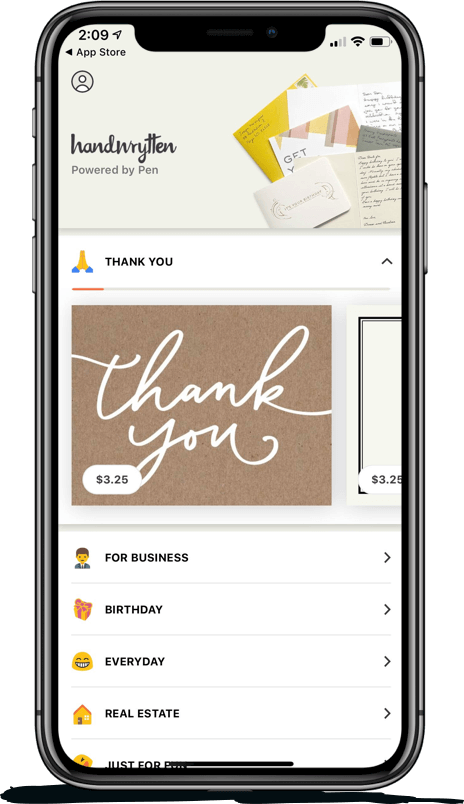
Scale your handwritten outreach, creating positive impressions and long lasting bond.
Sign Up Today!

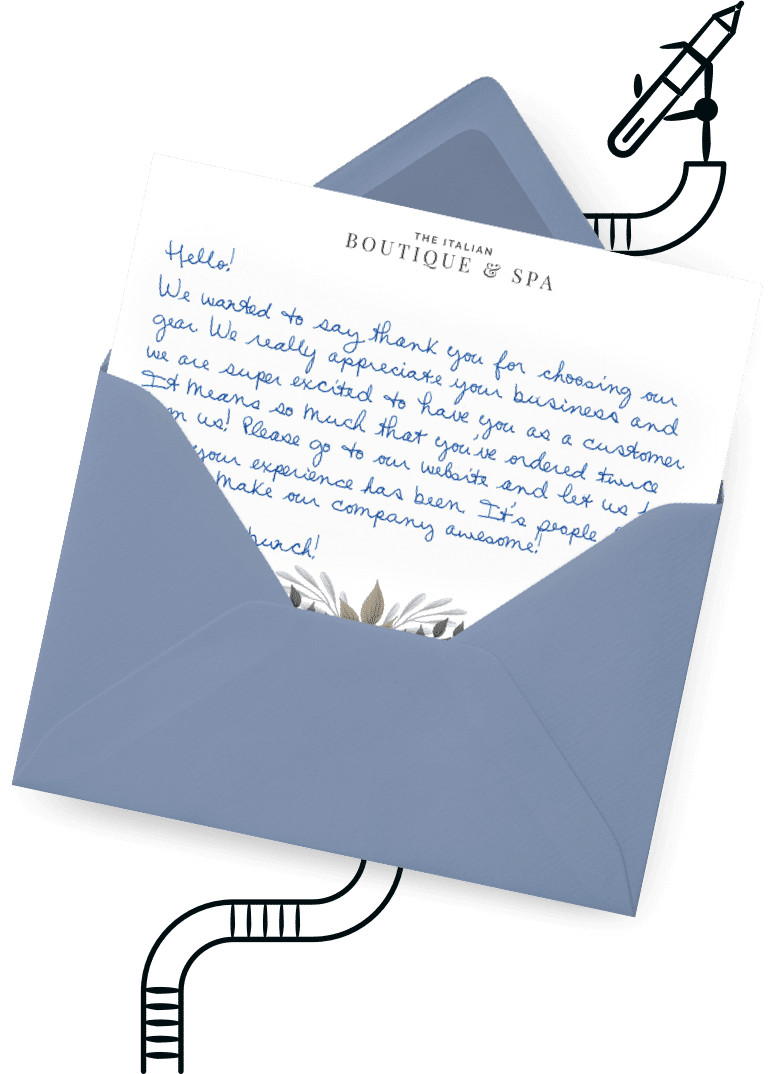

Over 100 designs to choose from or design your own. Our online card customizer makes it simple.
Check Out Our Cards!




Thank you.
