


The alumni who give consistently aren’t the ones who were asked most persistently. They’re the ones who felt most genuinely appreciated.
Greek alumni giving is the financial foundation that sustains every chapter program worth sustaining — the scholarship funds, the house improvements, the philanthropy campaigns, the leadership development programs that define what a chapter actually is beyond the four years any individual member spends in it. Most chapters understand this intellectually. Far fewer build the systematic donor stewardship programs that translate that understanding into the consistent, growing alumni giving that actually funds those programs year over year.
The gap between understanding that alumni giving matters and building a program that sustains it is almost always a relationship gap — not a fundraising strategy gap. Alumni don’t stop giving to chapters because they were asked wrong. They stop giving because the relationship with the chapter drifted — because the consistent individual acknowledgment that made them feel genuinely connected to the organization they once loved gradually disappeared, replaced by mass email solicitations that arrived at giving season and nothing else throughout the year.
Greek alumni giving that grows consistently is built on exactly the opposite approach: the systematic, year-round program of genuine individual acknowledgment that makes alumni feel specifically connected to the current chapter, specifically valued for their past and present contributions, and specifically motivated to continue investing in something they feel genuinely part of. And the touchpoint that creates that individual connection most powerfully — at every key moment in the donor relationship lifecycle — is the genuine handwritten note.
The psychology of donor stewardship is consistent across every philanthropic context — and Greek alumni giving follows it precisely. Donors give again when they feel their previous gift was genuinely received, genuinely appreciated, and genuinely impactful. The acknowledgment format that creates that felt sense of genuine individual reception most powerfully is the one that signals individual effort before it’s opened — the physical, handwritten note that arrives in the donor’s personal mailbox rather than their professional inbox.
A Greek alumni giving acknowledgment that arrives as a mass email — however warmly written — communicates efficient institutional gratitude. A genuine handwritten note arriving in a donor’s mailbox communicates something the email never achieves: that a specific person at the chapter took specific time to acknowledge this specific donor at this specific moment. That communication is what creates the emotional connection to the chapter that sustains giving through the years when the alumni relationship is most at risk of fading.
The research supporting this is consistent across nonprofit and educational fundraising contexts: donors who receive genuine handwritten acknowledgment of their gifts give again at significantly higher rates, at higher average gift amounts, and with greater longevity than those who receive only digital acknowledgment. For Greek alumni giving programs, this translates directly into the sustainable giving foundation that funds everything the chapter aspires to build.
The most critical moment in any Greek alumni giving relationship is the first gift — because the acknowledgment of that first gift determines whether the donor has a positive, memorable story about the chapter that sustains ongoing giving or a neutral experience that never builds into genuine philanthropic loyalty.
Most chapters acknowledge first gifts with a printed receipt, a mass email confirmation, and inclusion in the next alumni newsletter donor roll. The chapter that also sends a genuine handwritten note within 48 hours of receiving the first gift creates a completely different donor experience — one where the alumni feels specifically seen, specifically valued, and specifically motivated to give again.
The first gift handwritten note should accomplish three things: acknowledge the specific gift, communicate genuine gratitude in a voice that sounds like a real person rather than an institution, and express specific enthusiasm for what the gift makes possible for the current chapter.
What to write:
“[Name] — thank you for your first gift to [Chapter Name]. We wanted to reach out personally rather than through a standard acknowledgment email because your support means something specific to us — not just as a dollar amount but as a statement of continued connection to this chapter. What you’ve given will [specific impact]. We’re genuinely grateful.”
“[Name] — your gift to [Chapter Name]’s [fund/campaign] arrived, and we wanted to make sure you heard from a real person rather than an automated system. Thank you for investing in this chapter. The members whose experiences your generosity supports are building something worth building — and your support is part of what makes that possible.”
“Thank you, [Name] — for your generous gift and for the trust in this chapter that it represents. Your support of [specific fund or program] makes a real difference to [specific impact]. From the current chapter to every member who will benefit from your generosity: thank you.”
For the complete framework on building individual donor relationships through handwritten outreach, see Client Appreciation Strategies That Build Lasting Loyalty.
The alumni who give annually — the consistent, reliable recurring donors who form the backbone of any sustainable Greek alumni giving program — deserve acknowledgment that reflects the significance of their sustained commitment. A donor who has given three, five, or ten consecutive years to a chapter has demonstrated a level of philanthropic loyalty worth specifically celebrating.
Most chapters treat recurring donors identically to first-time donors in their acknowledgment programs — sending the same printed receipts and mass email confirmations regardless of giving history. A handwritten note that acknowledges the specific tenure of the giving relationship — “this is your fifth consecutive gift to [Chapter Name]” — communicates the individual attention that transforms a habitual donation into a genuine philanthropic relationship.
What to write:
“[Name] — this marks your [X] consecutive year of giving to [Chapter Name], and we wanted to make sure that milestone didn’t pass without specific acknowledgment. Your sustained support over [X] years represents a commitment to this chapter that goes well beyond a single generous moment. We’re deeply grateful for the consistency and the trust it represents.”
“[Name] — another year, another gift — and we notice every one of them. Thank you for the sustained investment in [Chapter Name] that your annual giving represents. The programs your generosity has supported over [X] years have shaped members’ experiences in ways that will last long after their chapter years end. Thank you.”
“Thank you for giving again, [Name]. Recurring donors like you are the reason [Chapter Name] can plan with confidence rather than uncertainty. Your consistent support makes everything else possible. We’re genuinely grateful — this year and every year.”
For donors whose gifts represent significant investments in the chapter’s mission — scholarship endowments, house renovation contributions, major philanthropy campaign gifts — the acknowledgment must reflect the magnitude of the gesture. A handwritten note from the chapter president alone is insufficient for major gift acknowledgment — a note from the chapter advisor, the national organization, or the specific students whose experiences the gift makes possible creates the complete acknowledgment experience that sustains major donor relationships.
From chapter president for a major gift:
“[Name] — I’ve been thinking about the right words to express what your gift to [Chapter Name]’s [specific fund] means, and I keep coming back to the same thing: it’s transformative. Not just financially but relationally — it communicates a belief in what this chapter is and what it can become that motivates everyone who knows about it. Thank you for your extraordinary generosity. It will be felt for generations.”
From a student beneficiary of a scholarship:
“[Name] — I’m [Student Name], and I’m one of the recipients of the [scholarship name] that your generosity makes possible. I wanted to reach out personally to say thank you — not just for the financial support but for the statement your investment makes about the value of what we’re doing here. Your belief in this chapter means something to every member who benefits from it. Thank you.”
For guidance on tracking engagement from handwritten donor cards, see how Handwrytten’s QR Code Feature connects physical mail to digital engagement data.
Alumni who gave in previous years but haven’t given recently represent the highest-potential re-engagement opportunity in any Greek alumni giving program — because they’ve already demonstrated philanthropic connection to the chapter and simply need the individual acknowledgment that reconnects them to the relationship that motivated their previous giving.
A genuine handwritten re-engagement note — warm, specific, and completely free of any direct giving ask — creates the individual connection that email re-engagement sequences almost never achieve. The alumni who receives a genuine handwritten note from the current chapter president — acknowledging their past support and expressing genuine enthusiasm for the current chapter’s direction without any solicitation attached — has a specific, positive reason to reconsider their lapsed giving relationship.
What to write:
“[Name] — I’m [Chapter President Name], the current president of [Chapter Name], and I wanted to reach out personally to introduce myself and express genuine gratitude for the support you’ve given this chapter in past years. Your past contributions helped build what the current chapter is — and I wanted you to know that we think about our alumni supporters specifically, not just at giving season. We’d love to reconnect.”
“[Name] — it’s been a few years since we’ve connected, and I wanted to reach out personally rather than through a mass email to say: [Chapter Name] is doing remarkable things, and you’re part of the reason we’re in a position to do them. Your past generosity built foundations that current members are still building on. I’d love to share what’s new whenever you’re interested.”
The most underleveraged Greek alumni giving stewardship touchpoint is the mid-year impact update — a handwritten note arriving outside giving season that communicates specifically what a donor’s gift accomplished, with no solicitation attached.
An impact update handwritten note arriving in September or October — months after the spring giving campaign and months before the next one — communicates the most powerful message available in any donor relationship: that the chapter thinks about its donors and their impact independently of the next ask. That communication is what transforms transactional giving into genuine philanthropic partnership.
What to write:
“[Name] — it’s been several months since your generous gift to [fund], and we wanted to reach out with a specific update on what it’s made possible. [Specific impact: scholarship awarded, program funded, facility improved]. This happened because of you — and we wanted to make sure you knew that directly, outside of any campaign or giving season. Thank you.”
“[Name] — we’re halfway through the year, and we wanted to share something with you: [specific impact of previous gift]. Your generosity from [giving season] is still producing results, and we’re grateful for it every time we see those results. No ask here — just a genuine update from people who appreciate what you’ve built.”
The most effective Greek alumni giving programs aren’t the ones with the most sophisticated fundraising strategies — they’re the ones with the most consistent individual stewardship, delivered through the format that creates the strongest individual impressions at every key moment in the donor relationship lifecycle.
Donor database segmentation. Segment the alumni giving database by giving history — first-time donors, recurring donors, lapsed donors, major donors, and non-donors who have shown engagement signals — and develop specific handwritten note templates appropriate to each segment’s relationship stage.
Trigger mapping. Map every key moment in the Greek alumni giving lifecycle to a specific handwritten note trigger — gift receipt, giving anniversary, major gift acknowledgment, mid-year impact update, re-engagement outreach. Configure each trigger in Handwrytten’s platform to fire automatically when the relevant event occurs.
CRM integration. Handwrytten’s integrations with Salesforce, HubSpot, and other CRM platforms used in Greek alumni relations allow handwritten note triggers to fire automatically from donation records, giving history fields, and engagement data — producing and mailing genuine handwritten acknowledgments without any manual effort from chapter officers or alumni relations staff.
Personalization configuration. Configure dynamic personalization fields to pull donor names, giving history, specific gift amounts, and fund designations into each note automatically — ensuring every acknowledgment references the specific gift being acknowledged rather than generic appreciation language.
President signature and chapter branding. Configure the chapter president’s custom font and signature for use on every donor note — and build branded stationery with chapter crest, Greek letters, and official colors that reflects the organization’s identity in every physical touchpoint.
For chapter recruitment letters that bring the right members in before alumni relationships begin, see Greek Life Recruitment Letters That Dominate Rush Season
Within 48 hours of gift receipt: First gift acknowledgment or recurring gift appreciation note — the highest-priority stewardship touchpoint in the entire giving lifecycle.
30 days after major gift: Follow-up note from a specific beneficiary or program leader — communicating early impact from the gift and sustaining the relationship beyond the initial acknowledgment.
September/October: Mid-year impact update for all donors from the previous giving season — arriving well outside giving season with no solicitation attached.
November: Thanksgiving appreciation note to all active donors — genuine gratitude outreach before the year-end giving season begins.
January: Year-end giving season follow-up for lapsed donors — warm, personal, and forward-looking without any direct solicitation.
Spring: Pre-campaign engagement note to all donors — communicating chapter updates and impact before the annual giving campaign launches, so the campaign ask arrives in the context of a warm, sustained relationship rather than cold annual contact.
For the complete chapter outreach program beyond donor stewardship, see Handwritten Notes for Greek Life That Build Stronger Bonds.
How quickly should Greek alumni giving acknowledgments be sent?
Within 48 hours of gift receipt for first gifts and major gifts — while the donor’s positive feelings about their giving decision are freshest. Handwrytten’s one-to-two business day production turnaround ensures notes triggered immediately after gift receipt arrive within the optimal window.
Should Greek alumni giving acknowledgments include a future giving ask?
No — the stewardship note and the solicitation are separate communications that should never be combined. A thank-you note that includes a future giving ask communicates that the gratitude was instrumental rather than genuine. Keep every acknowledgment entirely focused on genuine individual appreciation of the specific gift received.
Can Handwrytten integrate with Greek chapter alumni management systems?
Yes — Handwrytten’s integrations with Salesforce, HubSpot, Zapier, and other platforms allow handwritten note triggers to be configured from donation records in existing alumni management systems. For custom integration needs, contact sales@handwrytten.com.
Should acknowledgment notes come from the chapter president or from national organization leadership?
From the chapter president for most acknowledgments — because the most meaningful giving relationship is between the donor and the specific chapter they supported. National organization acknowledgments are appropriate for major gifts or for alumni whose connection is primarily to the national organization rather than a specific chapter.
How do you measure the impact of handwritten stewardship on Greek alumni giving rates?
Track year-over-year retention rates among donors who received handwritten acknowledgment versus those who received only digital acknowledgment, average gift amount trends among the same segments, and lapsed donor reactivation rates following handwritten re-engagement outreach. Organizations tracking these metrics consistently find that genuine handwritten stewardship produces measurably stronger giving outcomes than digital alternatives.
Comparing handwritten card providers for your chapter’s alumni giving program? See our best handwritten card service comparison for 2026 covering pricing, integrations, and minimum orders.
Greek alumni giving that grows consistently isn’t built on better fundraising asks — it’s built on better donor relationships. And better donor relationships are built on the consistent, genuine, individual acknowledgment that makes every donor feel specifically valued rather than institutionally processed.
The handwritten note that arrives within 48 hours of a first gift. The mid-year impact update that comes with no ask attached. The re-engagement note that reaches a lapsed donor at exactly the moment when reconnection feels natural. These are the stewardship touchpoints that build the Greek alumni giving programs worth having — the ones that fund scholarships, sustain houses, and invest in the chapter experiences that make Greek life genuinely transformative.
It starts with a handwritten thank you. Everything else follows from there.
Start Sending → handwrytten.com


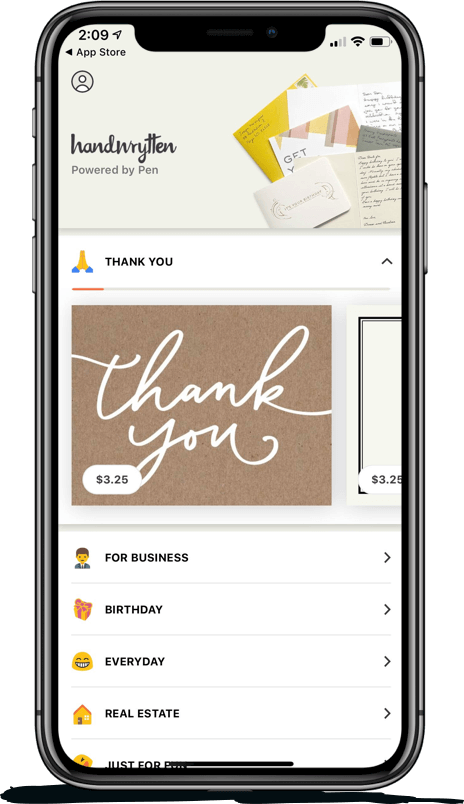
Scale your handwritten outreach, creating positive impressions and long lasting bond.
Sign Up Today!

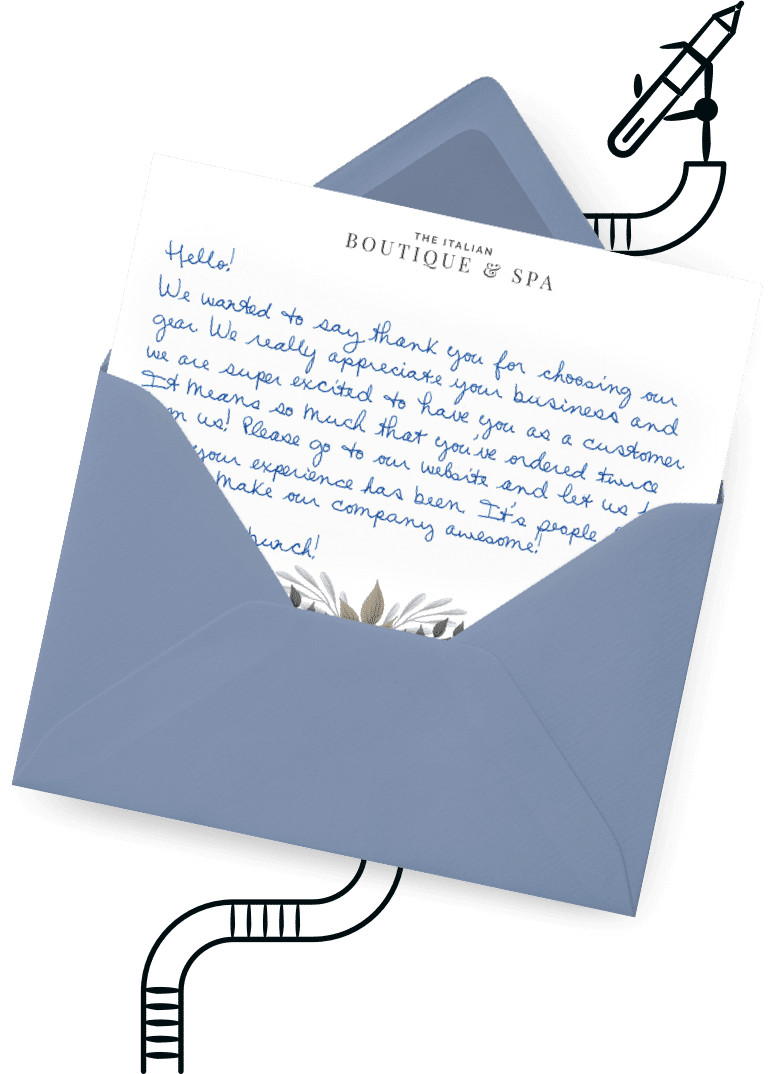

Over 100 designs to choose from or design your own. Our online card customizer makes it simple.
Check Out Our Cards!




Thank you.
